


The Instinct Behind the Choice
Cats are unique creatures, existing in a state of dual identity: they are both skilled predators and cautious prey animals. This evolutionary wiring dictates their environmental needs. An open space, particularly a high one, allows them to survey their territory
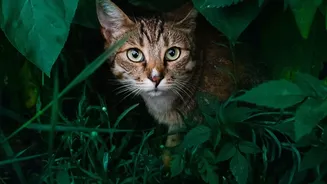
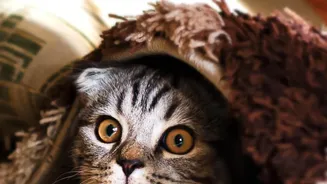
like a predator, keeping an eye on household activities from a position of safety and control. Conversely, a hidden space gives them a secure place to retreat from perceived threats, loud noises, or overwhelming social situations, fulfilling their prey instinct to remain unseen and safe. The ability to choose between these two options is crucial. It gives cats a sense of agency over their surroundings, which is a proven factor in reducing stress and improving their overall emotional well-being. Without this control, cats can feel anxious and exposed.
Creating Secure Hidden Retreats
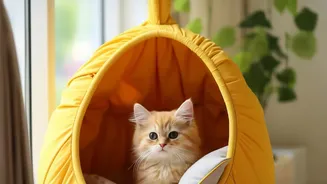
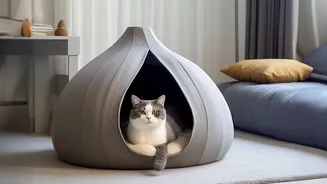
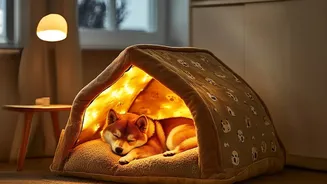
A proper hiding spot is more than just any old corner. For a cat to feel truly secure, the space should ideally be enclosed on most sides with a clear point of entry and exit. This allows them to watch for approaching threats without worrying about being ambushed from behind. You don't need to spend a fortune to create these safe havens. The humble cardboard box is often a feline favourite, offering a perfect, enclosed space to decompress. Other excellent options include covered cat beds, a cat tent made from an old t-shirt, or simply leaving a closet door slightly ajar. The key is to place these retreats in quiet, low-traffic areas of your apartment where your cat won’t be constantly disturbed. This ensures their safe space remains a reliable sanctuary whenever they need a moment of solitude.
The Value of Vertical Space
When we think of 'open' spaces for cats, we should be thinking vertically. In a small apartment where floor space is limited, leveraging the height of your rooms is the single most effective way to enrich your cat's environment. Cat trees, wall-mounted shelves, and sturdy window perches serve as the ultimate feline vantage points. From these elevated spots, a cat can confidently observe the world below, satisfying their need for security and territory. Studies have shown that access to vertical space can significantly reduce stress and conflict, especially in multi-cat households, because it effectively increases the amount of usable territory. A cat who can retreat upwards when feeling overwhelmed is less likely to resort to undesirable behaviours born from anxiety.
Weaving a Cat-Friendly Layout
The most effective cat-friendly apartment design connects these open and hidden zones. Think of it as creating 'cat highways' that allow your pet to navigate their territory with confidence. A well-placed cat tree might allow a cat to jump to a series of wall shelves, which then leads to a path behind the sofa or a cozy bed on top of a bookshelf. This interconnected network allows them to move between resting, hiding, and observing without having to cross wide, exposed floor areas where they might feel vulnerable. The goal is a seamless environment where your cat can choose its level of social engagement on its own terms—whether that means being the king of the castle on a high perch or an invisible observer from inside a box.
What Your Cat's Behaviour Tells You
An environment lacking these crucial choices can lead to stress, which often manifests in behavioural issues. A cat that is constantly hiding and rarely seen may be feeling insecure and lacking safe vantage points. Conversely, a cat with nowhere to hide might become anxious, leading to problems like over-grooming, aggression, or urinating outside the litter box. Paying attention to these signals is important. While some hiding is normal and healthy, excessive hiding or a sudden change in behaviour can be a sign of stress or even illness and may warrant a conversation with your veterinarian. Providing a balanced environment is a proactive way to prevent many of these stress-related problems from developing.