


Planning: The Key to a Calm Host
A relaxed tea tasting begins long before the first cup is poured. The goal of planning is to free yourself up to enjoy the event along with your guests. Start by deciding on a theme. A theme brings focus and makes selecting teas easier. You could explore
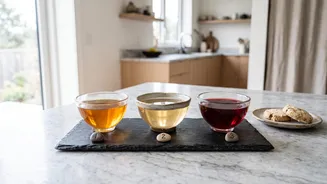
teas from a single country like India or China, or compare different types, such as a flight of green teas. Alternatively, you could theme it by flavour profile, such as 'floral and fragrant' or 'dark and earthy'. Aim to taste between three and five teas. This provides variety without overwhelming the palate. For a small, intimate gathering, four to eight guests is an ideal number, allowing everyone to share their thoughts without feeling rushed.
Choosing Your Tea Flight
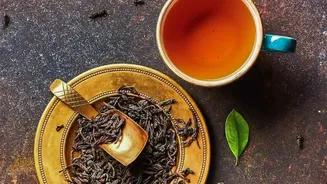
With a theme in place, selecting your teas becomes a creative exercise. For a balanced experience, it’s best to offer a variety of categories. A classic flight might include a delicate white tea, a vegetal green tea, a complex oolong, and a robust black tea. This allows your guests to experience the full spectrum of tea processing. Always opt for high-quality, loose-leaf teas if possible, as they provide a more authentic and nuanced flavour. When arranging your tasting, order the teas from lightest to strongest. This generally means starting with white or green teas, moving to oolongs, and finishing with black or pu-erh teas, so that the more delicate notes aren't overpowered.
Setting the Stage and Gathering Tools
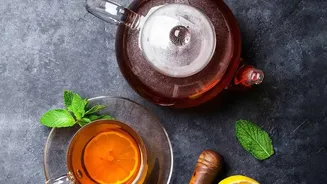
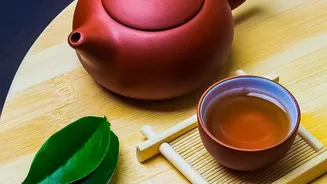
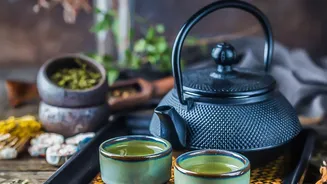
The right atmosphere invites your guests to slow down and engage their senses. You don’t need elaborate decorations; soft music and a comfortable, uncluttered space are perfect. The essential tools are also simple. You will need a kettle (one with temperature control is helpful but not mandatory), a teapot or infusers, a timer, and tasting cups for each guest. Using small, white, or light-coloured cups is ideal as it allows everyone to appreciate the true colour of the brewed tea, which is known as the 'liquor'. Have note cards and pens ready so guests can jot down their impressions. You might even prepare a simple sheet listing the teas and their origins to guide the discussion.
The Art of Brewing and Tasting
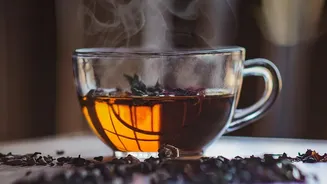
How you brew is critical. Different teas require different water temperatures and steeping times to unlock their best flavours. As a general rule, black teas can handle boiling water (95-100°C), while green teas do best with cooler water (around 80°C) to avoid bitterness. Following the instructions for each specific tea is always the best practice. When it's time to taste, guide your guests through a simple, four-step sensory process. First, look at and smell the dry leaves. After brewing, observe the colour of the liquor. Then, smell the aroma of the steeped tea before taking a sip. Finally, taste. Encourage guests to slurp the tea lightly; this aerates the liquid and spreads it across the entire palate, revealing more complex flavours. Discuss the experience: what aromas do you notice? What is the texture or 'mouthfeel' like?
Simple Snacks and Palate Cleansers
While food pairings can be an art form, the focus of a tasting is the tea itself. To avoid distracting the palate, serve neutral snacks. Simple, unsalted crackers, plain bread, or mild biscuits work perfectly as palate cleansers between teas. Always have fresh water available for guests to rinse their mouths. If you do want to offer more substantial pairings, a general rule is to match intensity. Delicate white teas pair well with very light foods like steamed fish, while robust black teas can stand up to richer foods. Green teas often complement vegetarian dishes, and oolongs are versatile with everything from grilled meats to fruity desserts.