





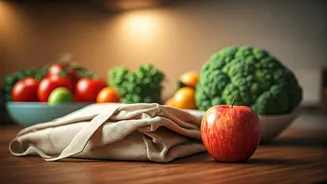


Start with a Kitchen Audit
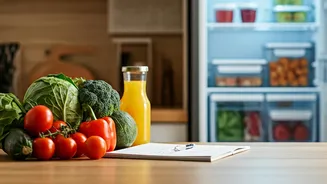
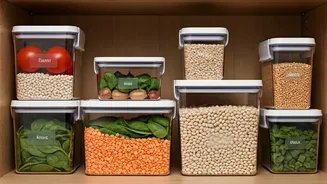
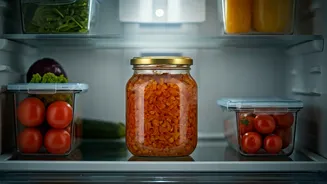
Before you even think about what to cook next week, open your fridge, freezer, and pantry. What do you already have? Take a quick inventory. Note down the vegetables that are about to go bad, the leftover dal from last night, and the half-empty jar of
pasta sauce. This 'shop your kitchen first' approach is the cornerstone of a waste-free menu. Planning meals around ingredients you already own ensures that nothing gets pushed to the back and forgotten. Make a list of these items. This list is not your shopping list; it’s your 'use it or lose it' priority list. This simple act of observation can immediately prevent you from buying duplicates and forces you to get creative with what’s on hand.
Plan Your 'Hero' Meals
Now, look at the week ahead. Don't try to plan every single snack and drink. Focus on the main meals, or the 'hero' dishes, for lunch and dinner. Based on your kitchen audit, can that aging cauliflower become Aloo Gobi on Monday? Can the leftover rice be turned into a delicious lemon rice or fried rice for Tuesday's lunch? Assign one main dish for each day. Be realistic about your schedule. If you know Wednesdays are hectic, plan for a quick one-pot meal like a khichdi or a simple pasta. By anchoring your week with these core meals, you create a structure that guides your cooking and, more importantly, your shopping.
Build a Purposeful Shopping List
With your hero meals planned, now you can write your shopping list. This is where the magic happens. Your list should only contain the specific ingredients needed to complete the meals you've planned, plus your regular staples like milk, eggs, or bread. Resist the urge to add items 'just in case'. If you see a beautiful bunch of spinach at the market but have no plan for it, you're inviting waste. Stick to the list. This discipline not only cuts down on food waste but also dramatically reduces your grocery bill. A focused list saves time in the store and prevents the kind of impulse buying that leads to an overstuffed, chaotic fridge.
Embrace 'Planned Leftovers'
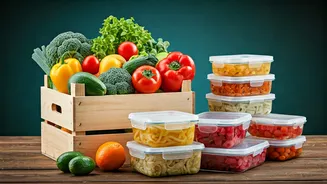
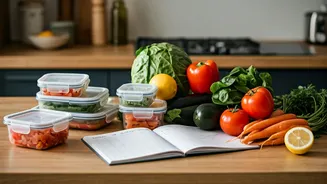
In many Indian households, leftovers are a given. Instead of seeing them as a problem, incorporate them into your plan. Reframe them as 'cook once, eat twice'. If you're making a large batch of rajma on Sunday, plan for it to be part of Monday's lunch. Extra roti can become a quick snack with some ghee and sugar or part of a roll. Yesterday's plain dal can be transformed into a flavourful dal fry with a fresh tadka. This mindset shift turns leftovers from an afterthought into a strategic time-saver, ensuring that food is fully utilised and your cooking load is lightened throughout the week.
Designate a 'Use-It-Up' Day
Despite the best plans, you’ll often find yourself with small amounts of ingredients left over by the end of the week—a single carrot, a handful of peas, a bit of paneer. Designate one day, perhaps a Friday or Saturday, as your 'use-it-up' day. The goal is to create a meal from all the remaining odds and ends. This could be a mixed vegetable sabzi, a 'kitchen sink' pulao, a frittata, or a hearty soup. This practice not only clears out your fridge for the next week's groceries but also sparks creativity. It’s a satisfying way to ensure that you are truly honouring the food you buy and achieving a near-zero-waste kitchen.