



What Exactly Is the Monsoon Advantage?
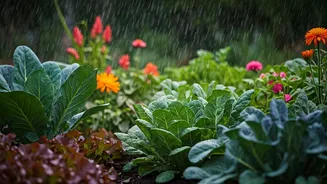
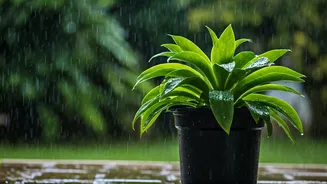
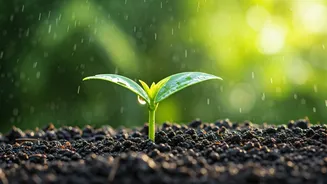
For a beginner, the biggest hurdle is often inconsistent watering. The monsoon solves that. The season provides consistent, natural irrigation, saving you time and effort. The high humidity in the air keeps the soil moist for longer and reduces water loss
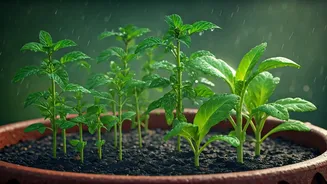
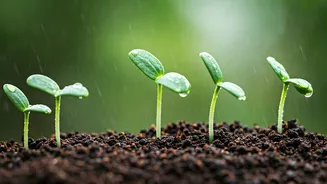
from plant leaves, meaning your plants are less stressed. Furthermore, the overcast skies and lower temperatures are much gentler on young seedlings than the harsh summer sun. This combination of free water, high humidity, and moderate temperatures creates a forgiving environment where seeds germinate faster and plants establish their roots with far less work from you. It’s like having a gardening assistant on autopilot.
Choose Your Monsoon Champions
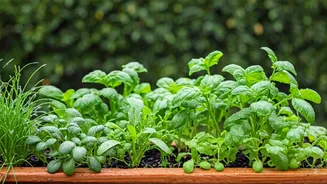
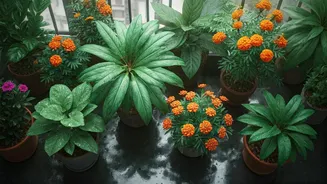
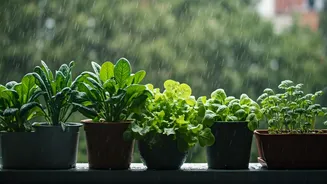
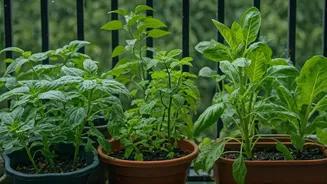
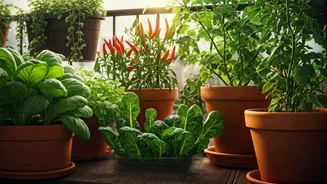
Not all plants are created equal when it comes to loving the rain. The key is to select varieties that thrive in damp, humid conditions. For vegetables, this is the prime time for leafy greens like spinach (palak), fenugreek (methi), and amaranth (chaulai). They grow quickly and can be harvested multiple times. It's also the perfect season for gourds. Creepers like bottle gourd (lauki), ridge gourd (tori), and cucumber grow vigorously. For herbs, mint and coriander flourish. If you love flowers, the monsoon is ideal for planting vibrant marigolds, balsams, and zinnias, which add a splash of colour to the grey skies. Hibiscus and jasmine cuttings also root very easily during this time.
Prepare for Success: Soil and Drainage
While the rain is a blessing, too much of a good thing can be a problem. The single most important factor for monsoon gardening is excellent drainage. If water stagnates around the roots, it can lead to root rot, which will kill your plants. Whether you are using pots or garden beds, ensure your soil is light and well-draining. A simple, effective potting mix for containers is one part garden soil, one part compost or vermicompost, and one part coarse sand or cocopeat (coconut coir). This mixture provides nutrients while allowing excess water to drain away freely. Always use pots with drainage holes at the bottom. You can even add a layer of broken pot pieces or small stones at the base before adding soil to further improve drainage.
Watch Out for Unwanted Guests
The damp and humid conditions that your plants love are also a paradise for pests and fungal diseases. Slugs and snails are common, so check your plants (especially the undersides of leaves) in the evenings. Fungal issues like powdery mildew can appear as a white, dusty coating on leaves. The best defence is a good offence. Ensure there is enough space between your plants for good air circulation, which helps leaves dry faster. For a simple, organic fix, a weekly spray of neem oil solution (a few drops of neem oil and liquid soap mixed in a litre of water) can keep most pests and fungal problems at bay. Remove any heavily infected leaves immediately to prevent spread.
Starting Small Is Starting Smart
The enthusiasm of a new gardener is a wonderful thing, but it’s easy to get overwhelmed. Don’t try to grow everything at once. Start with two or three types of plants in a few pots. This allows you to learn their specific needs without feeling stressed. A few pots of palak and marigolds on a balcony is a fantastic achievement. You’ll gain confidence as you watch them grow. You can always expand your collection next season. Gardening is a journey, not a race. The goal is to enjoy the process of nurturing something from a tiny seed into a living plant. The monsoon just makes that first step a little easier and a lot more rewarding.