



Understanding the Deepfake Threat
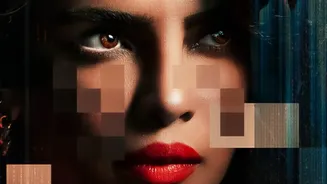
A deepfake is synthetic media—an image, video, or audio clip—created using artificial intelligence to show someone saying or doing something they never did. Attackers use publicly available photos and videos to train AI models that can generate these
convincing forgeries. Once a niche curiosity, deepfakes are now used in scams, to spread misinformation, and to manipulate public opinion, making it crucial for social media users to become more skeptical and analytical of the content they encounter. The goal of many malicious deepfakes is to erode trust and provoke a strong emotional reaction, encouraging rapid sharing without scrutiny.
Visual Red Flags: What to Look For
Even as technology improves, many deepfakes still contain subtle visual flaws. The eyes are often a primary giveaway; look for unnatural blinking patterns (too much, too little, or not at all), a fixed gaze, or strange reflections. Another weak point is the edge of the face where it meets the hair or background, which may appear blurry, flicker, or show inconsistencies as the person moves. Skin can also look too smooth and waxy, lacking the natural pores and imperfections of a real human face. Finally, examine the lighting. If the shadows on the face don't match the lighting in the rest of the scene, it’s a strong indicator that the face was digitally added.
Audio Clues: What to Listen For
Often, the audio is a more reliable indicator of a fake than the visuals. A cloned voice may sound robotic, flat, or lack the natural rhythm and pitch variations (prosody) of human speech. Listen for a delivery that seems emotionally disconnected from the words being spoken. Real human speech is also full of small imperfections like breaths, pauses, and mouth sounds, which are often missing in AI-generated audio. Another sign is unnaturally clean background audio; if someone appears to be in a busy environment but there's no ambient noise, the audio track may have been generated or overlaid.
Mismatched Movements and Synchronization
The synchronization between audio and video is a major hurdle for deepfake creators. Watch the mouth closely to see if the lip movements perfectly align with the spoken words. Often, a slight delay or mismatch becomes apparent, especially at the beginning or end of sentences. AI also struggles to realistically render other body parts. Hands, in particular, can appear warped or have an incorrect number of fingers. Pay attention to body movements as well; they might seem overly smooth or robotic compared to the natural, slightly imperfect motions of a real person.
Investigate the Source and Context
Beyond analyzing the video itself, the most powerful verification tool is context. Before you even consider sharing, stop and investigate the source. Who posted the video? Is it a reputable news organization or a brand new, anonymous account with a suspicious posting history? A common form of misinformation is not a deepfake, but a real video from years ago presented as a current event. You can take screenshots of key frames and use a reverse image search tool like Google Lens or TinEye to see if the video has appeared online before in a different context.
The Golden Rule: When in Doubt, Don’t Share
Some social media platforms are beginning to label AI-generated content, but these systems are not foolproof. The most effective defense against the spread of deepfakes is exercising personal responsibility. The purpose of this content is often to manipulate you into acting quickly, driven by anger, fear, or urgency. If a video seems shocking, asks for money, or pressures you to act immediately, it deserves the highest level of scrutiny. Verifying content takes a moment, but sharing a harmful fake can cause lasting damage. If you have any doubt about a video's authenticity and cannot verify its source, the best and safest action is always to refrain from sharing it.