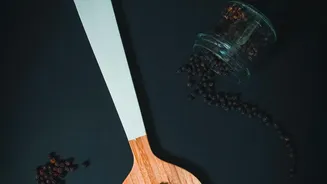


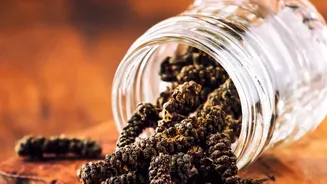
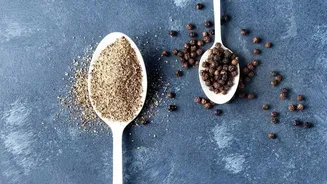
Black pepper, the 'king of spices', is a staple in every Indian kitchen. But its high value makes it a target for adulteration. Here are simple ways to ensure the pepper in your pantry is pure, potent, and safe for your family.
The Common Culprits in Your Pepper Shaker
The primary reason for black
pepper adulteration is economic gain. Sellers can increase their profits by adding cheaper substances that look similar to whole peppercorns. The most common adulterant is dried papaya seeds, which, to the untrained eye, closely resemble black pepper in size and colour. Other impurities can include 'light berries'—immature or hollow peppercorns with little flavour—or even a coating of mineral oil to give the pepper an appealing but artificial shine and added weight. While ground pepper is even easier to tamper with, often bulked up with fillers like sawdust or bran, you can still perform several checks on whole peppercorns at home.
The Simple Water Float Test
One of the most effective and widely recommended methods by the Food Safety and Standards Authority of India (FSSAI) is the water test. Simply drop a spoonful of your black peppercorns into a glass of plain water. Pure, dense black peppercorns will sink to the bottom. In contrast, lighter adulterants like dried papaya seeds and hollow, low-quality peppercorns will typically float on the surface. While a few floating berries might not be a major concern, a significant number of floaters is a clear warning sign that your pepper may be compromised.
A Closer Look: Visual and Texture Inspection
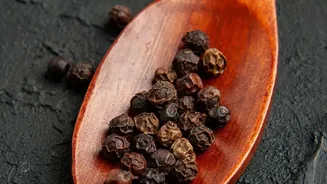
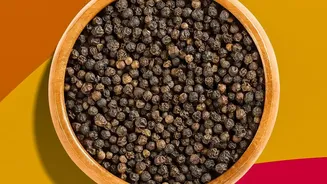
Your senses are powerful tools in detecting fake pepper. Genuine black peppercorns have a distinct appearance: they are almost perfectly round with a dense, wrinkled surface and a dark brown to black colour. Papaya seeds, on the other hand, are often more oval-shaped and can appear shrunken with a smoother surface. They may also have a greenish-brown or blackish hue. Try pressing a few peppercorns between your fingers. A mature, high-quality peppercorn will be hard and resist breaking. An adulterant like a papaya seed or a light berry will crush much more easily.
Checking for Oily Shine and Aroma
Some sellers coat peppercorns with mineral oil to give them an attractive, glossy finish. This is a harmful practice, as consuming mineral oil not intended for food can lead to health issues. To check for this, rub a few peppercorns vigorously on a clean white cloth or paper. If it leaves behind a greasy stain, it’s likely coated with oil. Additionally, a faint smell of kerosene or other chemicals is a red flag for a mineral oil coating. Finally, trust your nose. Crush a few peppercorns in your palm. Pure pepper releases a strong, sharp, and pungent aroma. If the smell is weak, musty, or non-existent, the quality is likely poor.
Smarter Shopping for Purer Spices
The easiest way to avoid adulterated pepper is to be a mindful consumer. Whenever possible, buy whole peppercorns instead of pre-ground powder, as whole spices are much harder to fake. Purchase your spices from reputable brands and trusted sources that provide clear labelling, including an FSSAI license number. Be wary of prices that seem too good to be true; unusually cheap pepper is often a sign of low quality or adulteration. By being vigilant and using these simple tests, you can ensure that the black pepper you use adds not only flavour to your food but also contributes positively to your health.