




The Science of Spoilage
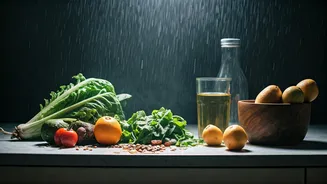
During the rainy season, the air becomes saturated with moisture. This high humidity creates the ideal breeding ground for microorganisms like bacteria, mould, and fungi. These tiny organisms thrive in damp, warm conditions and are the primary agents
of food spoilage. They break down the food, altering its texture, colour, smell, and taste, often making it unsafe to eat. Even seemingly dry goods can absorb moisture from the air, making them susceptible to clumping, staleness, and mould growth.
Safeguard Your Vegetables
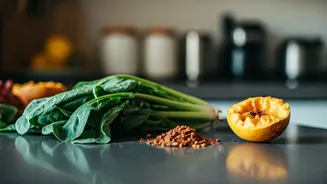
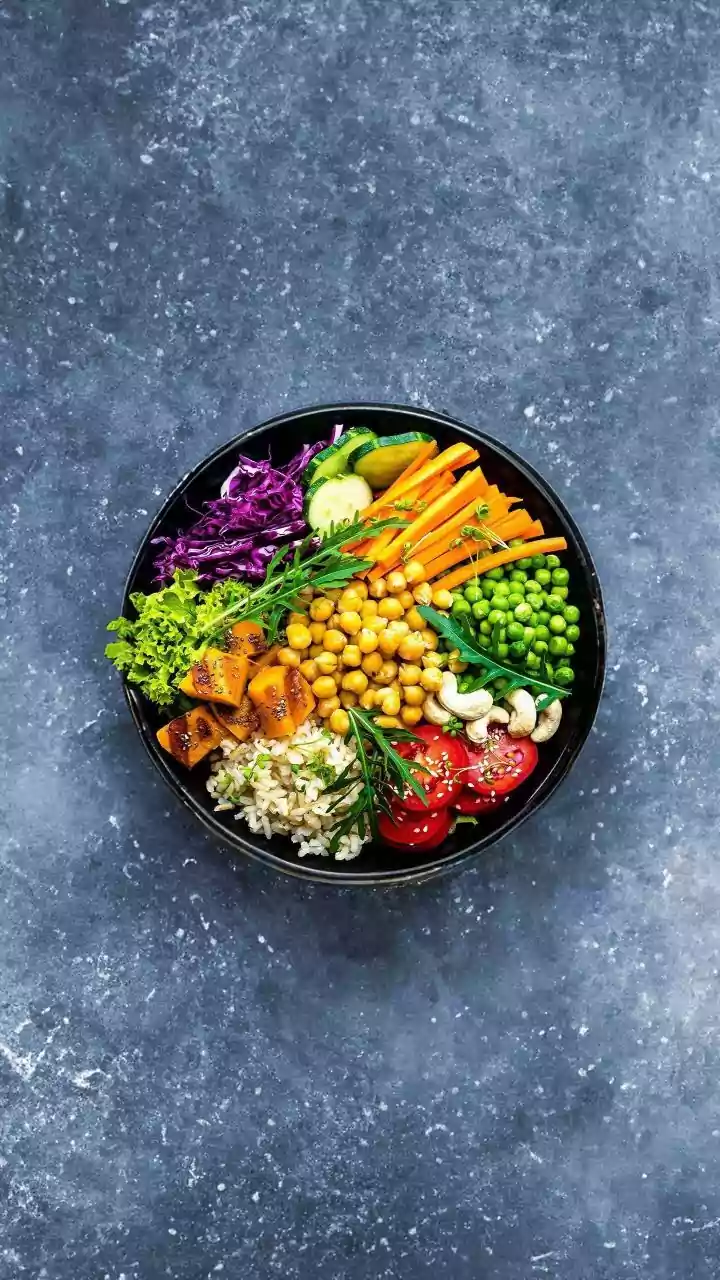
Vegetables, especially leafy greens, are highly vulnerable to the dampness of monsoon. The key is to reduce their exposure to moisture. Do not wash your vegetables until just before you plan to use them. If they are damp from the market, pat them thoroughly dry with a clean cloth before storing. For greens, wrapping them in paper towels before placing them in the fridge can absorb excess moisture. Store vegetables like carrots and beets with their leafy tops removed, as the tops can draw moisture away from the root. A well-ventilated bag in the refrigerator's crisper drawer is often a better choice than a sealed plastic bag which traps moisture.
Keep Fruits Fresh
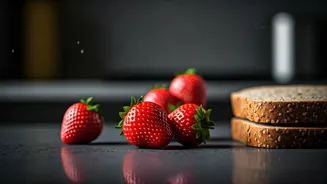
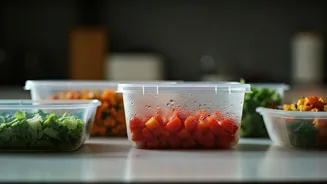
Fruits also ripen and rot much faster in humid weather. Similar to vegetables, avoid washing fruits until you are ready to eat them. Once cut, the exposed flesh is a prime target for bacteria, so it's best to consume sliced fruits immediately or store them in an airtight container in the fridge. Be mindful of ethylene gas, a natural ripening agent produced by fruits like apples and bananas. This gas can cause other nearby produce to spoil faster. Store these high-ethylene fruits separately from sensitive items like leafy greens and cucumbers.
Protect Dry Goods and Spices
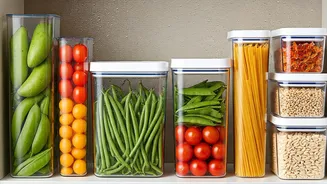
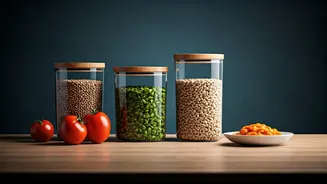
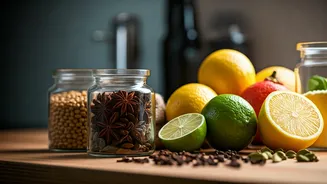
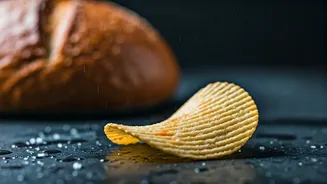
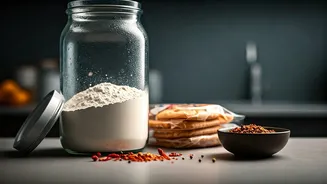
The battle against monsoon moisture extends to your pantry. Biscuits lose their crunch, and spices, flours, and lentils can clump together or develop mould. The best defence is using high-quality airtight containers made of glass or steel. Avoid leaving packets open. Transfer contents to a sealed jar immediately after opening. For extra protection with grains and pulses, you can add natural moisture absorbers like a few dried bay leaves or cloves to the container. Always use a completely dry spoon when scooping out ingredients, as even a single drop of water can introduce spoilage.
Smart Refrigerator and Kitchen Habits
Your refrigerator is your best ally, but it needs to be managed correctly. Don't overcrowd it, as this can hinder air circulation and create warm spots. Regularly clean the inside to prevent mould from taking root in unnoticed spills or food particles. In the kitchen, ensure good ventilation by using an exhaust fan to remove steam from cooking. Wiping down kitchen counters and keeping them dry also helps reduce the ambient moisture that encourages microbial growth. Cooking food in smaller batches can prevent wastage and reduces the time leftovers spend in the temperature 'danger zone'.