







Master Your Kitchen Waste
Did you know that Indian households waste an estimated 50 kg of food per person every year? When this food ends up in landfills, it decomposes and releases methane, a potent greenhouse gas. Tackling food waste is one of the most impactful actions you can
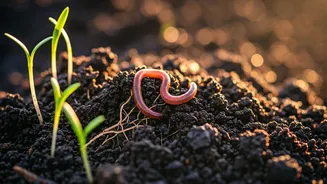
take at home. Start by planning your meals for the week to buy only what you need. Get creative with leftovers instead of tossing them out. Store fruits and vegetables correctly to prolong their life—keep potatoes and onions in a dark, cool place, and leafy greens in the fridge. For unavoidable scraps like peels and stems, composting is a fantastic solution. Many urban communities in India now have local composting services, or you can start a small compost bin on your balcony.
Rethink Your Water Consumption
India is one of the world's most water-stressed countries, making every drop precious. Beyond the obvious tip of turning off the tap while brushing, consider the ‘hidden’ water you use. For example, using a bucket for bathing instead of a long shower can save over 50 litres of water per day. When washing vegetables, collect the water in a bowl and use it to water your plants. Choose water-efficient appliances when it's time for an upgrade; look for the star ratings from the Bureau of Energy Efficiency (BEE), which often correlate with water savings. Even fixing a small, dripping tap can save thousands of litres of water over a year, significantly reducing the strain on our shared water resources.
Go Local and Seasonal with Food
The apple from New Zealand or the avocado from Peru in your local supermarket has travelled thousands of kilometres to reach you. This long-distance transport, known as ‘food miles’, has a substantial carbon footprint from fuel consumption and refrigeration. By choosing to buy local and seasonal produce, you can drastically cut down on these emissions. Shopping at your local sabzi mandi not only supports neighbourhood farmers but also ensures you get fresher, more nutritious food that hasn't spent weeks in transit. It also reduces the need for extensive plastic packaging used to protect produce during long journeys. Make it a habit to ask your vendor what’s in season—it’s cheaper, tastier, and much kinder to the planet.
Unplug 'Vampire' Electronics
Many of our electronic devices continue to draw power even when they are turned off but still plugged in. This is often called 'vampire power' or 'standby power'. Your TV, microwave, mobile phone charger, and laptop are common culprits. While the power draw of a single device is small, together they can account for up to 10% of your household's electricity bill. The solution is simple: get into the habit of unplugging devices when you’re not using them. An even easier method is to plug multiple devices (like your TV, set-top box, and sound system) into a single power strip. This way, you can switch them all off completely with one flick of a switch before you go to bed or leave the house.
Choose Conscious Fashion
The fast fashion industry is a major contributor to water pollution and textile waste. The constant cycle of buying cheap, trendy clothes and discarding them after a few wears fills up our landfills at an alarming rate. You can combat this by embracing a more mindful approach to your wardrobe. Before buying something new, ask yourself if you truly need it and if you'll wear it at least 30 times. Prioritise quality over quantity. Learn basic mending skills to repair small tears or replace buttons, extending the life of your favourite garments. Explore thrift stores, clothing swaps with friends, or support local Indian brands that focus on sustainable materials and ethical production. Your wallet and the planet will thank you.