






The Allure of a Living Cultural Landscape
Ziro Valley is more than just a picturesque destination; it is a living cultural landscape and a proposed UNESCO World Heritage Site. Nestled in the lower Eastern Himalayas, the valley is home to the Apatani tribe, a community renowned for its unique
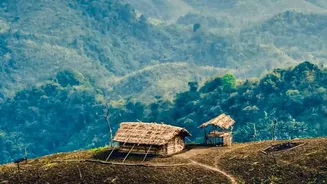
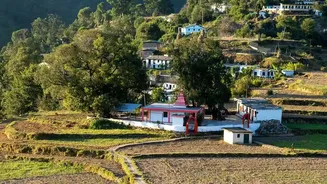
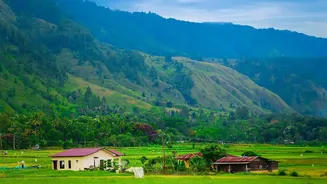
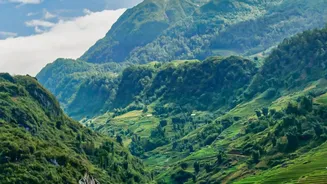
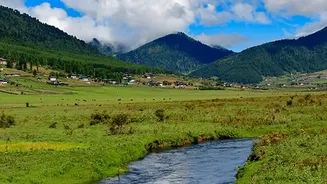
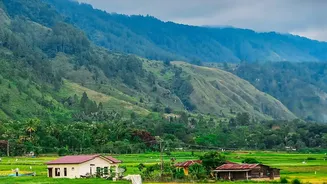
and sustainable way of life. For centuries, they have practiced a sophisticated form of wet rice cultivation combined with fish farming in the same fields, all without the use of farm animals or modern machinery. This harmonious existence with nature is what captivates many young visitors. The landscape is a tranquil blend of lush paddy fields, dense pine forests, and traditional bamboo houses. It offers a genuine escape, a chance to disconnect from urban chaos and witness a community that has nurtured its environment for generations. This unique cultural fabric, combined with events like the internationally acclaimed Ziro Music Festival, makes the valley a magnet for those seeking both peace and vibrant local culture.
Homestays: The Heart of Authentic Travel
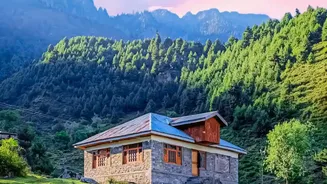
Instead of conventional hotels, many travellers are now opting for homestays, which have become central to the Ziro experience. Staying with an Apatani family offers an unfiltered glimpse into their daily lives. These homestays, often traditional homes made of bamboo and wood, provide more than just a place to sleep; they offer an immersive cultural exchange. Guests share home-cooked meals, often prepared over a central fireplace, featuring local ingredients and delicacies. This model of tourism is inherently sustainable. It ensures that tourist spending directly benefits local families, empowering the community and encouraging the preservation of their heritage. Hosts often share stories, guide guests on walks through the villages and rice paddies, and offer insights into their crafts, like weaving and basket-making. This shift towards homestays reflects a growing desire among young Indians for travel that is authentic, meaningful, and builds a real connection with the place and its people.
Sustainable Tourism in a Fragile Ecosystem
The rise of homestays is part of a broader movement towards responsible tourism in Arunachal Pradesh. Many homestays in Ziro operate on eco-friendly principles, utilizing solar power, rainwater harvesting, and organic farming methods. By choosing these accommodations, travellers actively participate in a low-impact form of tourism that helps protect the valley's fragile ecology. This conscious choice ensures that the natural beauty and cultural integrity that make Ziro so special are preserved for the future. The state's tourism policy itself emphasizes sustainable growth, aiming to position Arunachal Pradesh as a destination for high-value, low-impact travel. For the modern traveller, sustainability is no longer a buzzword but a key factor in their decision-making. They are looking for experiences that not only enrich them but also contribute positively to the host community and environment.
Navigating the Inner Line Permit (ILP)
Entry into Arunachal Pradesh for any non-resident Indian citizen is regulated by the Inner Line Permit (ILP), a mandatory travel document. Far from being a deterrent, the ILP system is a crucial part of the state's effort to manage tourism responsibly and protect its unique tribal cultures and sensitive border areas. Obtaining an ILP has become a straightforward process, thanks to dedicated online portals set up by the government. Travellers can apply online by uploading a photo and a valid ID, specifying the districts they plan to visit and their travel dates. The permit is typically processed within a few working days. For tourists, a permit is usually valid for up to 14 or 30 days. Rather than viewing it as a bureaucratic hurdle, young travellers see the ILP as a necessary step in accessing a protected and preserved region, a small administrative task for the privilege of experiencing a place like Ziro.