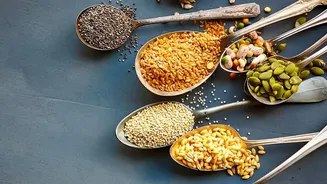

Ancient grains are trending, but their true value isn't just hype. It lies in their powerful nutritional profile, particularly their high levels of dietary fibre and plant-based protein, which are essential for a healthy, balanced diet.
What Are Ancient Grains, Exactly?
The term 'ancient
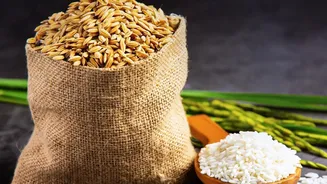
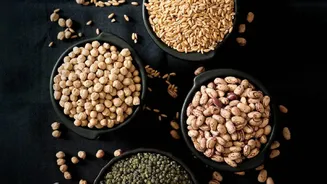
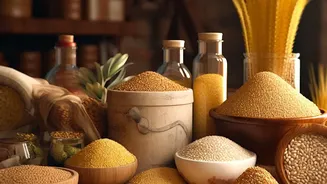
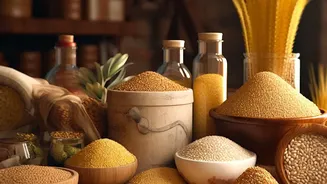
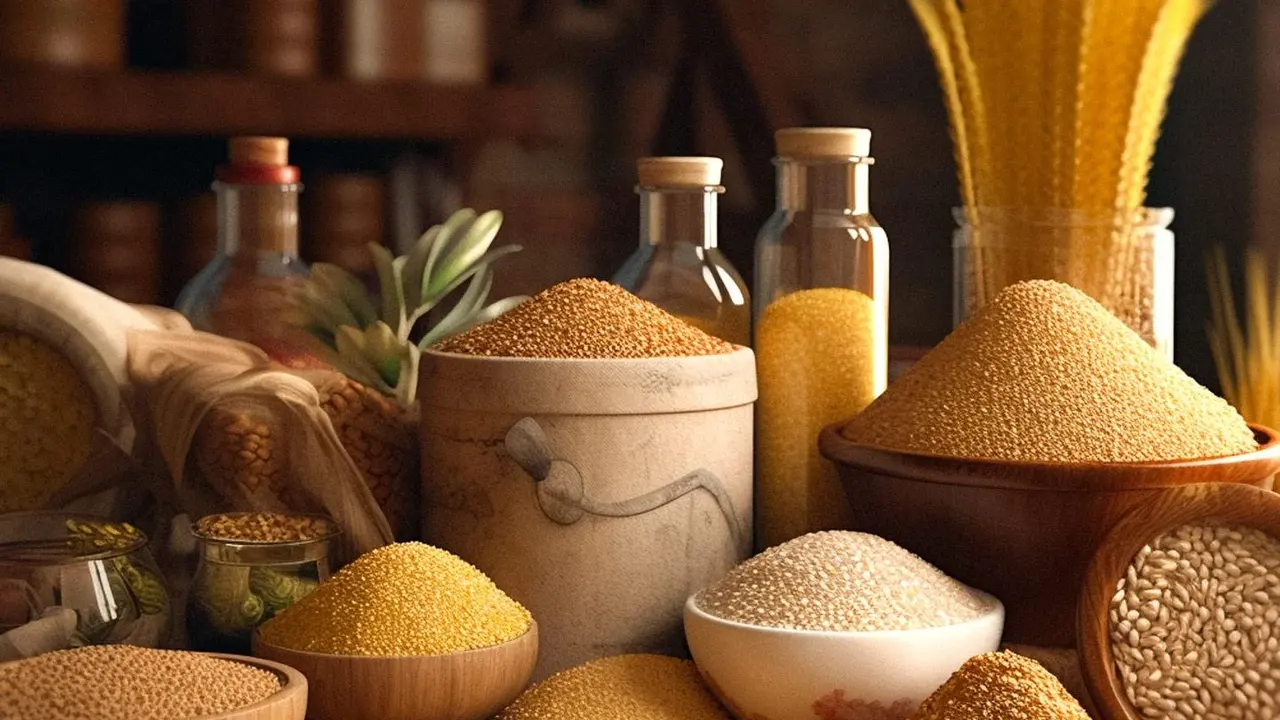
grains' refers to grains that have remained largely unchanged for hundreds or even thousands of years. Unlike modern wheat, which has been selectively bred for specific traits, these grains are much closer to their original forms. This category includes true cereals like farro, spelt, millet, and sorghum, as well as 'pseudocereals'—seeds that are consumed like grains—such as quinoa, amaranth, and buckwheat. Many have been staples in diets across India, Africa, and the Middle East for centuries but are now gaining popularity worldwide for their impressive nutritional benefits.
The Power Duo: Fibre and Protein
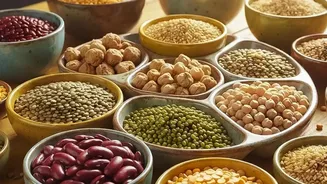
So, why the focus on fibre and protein? Dietary fibre is crucial for digestive health, helping to promote regularity and feed beneficial gut bacteria. Soluble fibre, found in many ancient grains, can also help lower cholesterol and stabilize blood sugar levels. Plant-based protein is equally vital. It's essential for building and repairing tissues, including muscle, and contributes to a feeling of fullness, which can help with weight management. Diets rich in plant proteins are often associated with a lower risk of chronic diseases.
Fibre All-Stars of the Grain World
When it comes to boosting your fibre intake, several ancient grains are top contenders. Farro, a chewy, nutty-flavoured wheat variety, offers about 7 to 8 grams of fibre per cooked cup, which is significantly more than white rice. Sorghum is another powerhouse, with one serving providing a substantial portion of your daily recommended fibre intake. This fibre is key to maintaining good digestive function and can help regulate blood sugar and lower cholesterol. Millets, a diverse group of small grains, are also celebrated for being richer in dietary fibre compared to refined grains like white rice. Pearl millet and finger millet (ragi) are particularly high in fibre.
Protein-Packed Grains for Plant-Based Power
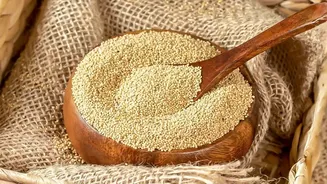
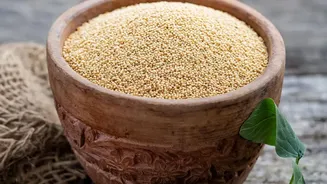
For those seeking excellent sources of plant-based protein, ancient grains deliver. Quinoa and amaranth are standouts because they are 'complete proteins', meaning they contain all nine essential amino acids our bodies need. One cooked cup of quinoa provides about 8 grams of protein, while amaranth offers around 9 grams. Sorghum is another surprise champion, with a cup of the cooked grain packing a remarkable 22 grams of protein, according to some analyses. Farro also contributes a respectable amount, with about 10 grams of protein per cooked cup. These grains are fantastic additions for anyone, especially vegetarians and vegans, looking to meet their daily protein goals.
Beyond Quinoa: Grains Worth Exploring
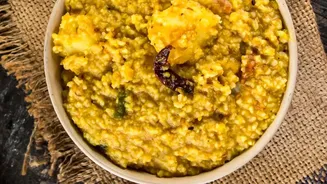
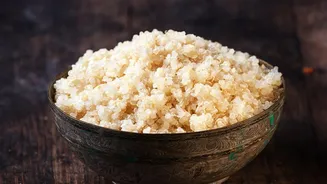
While quinoa has become a household name, there are many other ancient grains worth getting to know. Millet, a gluten-free grain, is versatile and nutrient-dense, providing protein, fibre, and essential minerals like magnesium and phosphorus. It has a mild, slightly nutty flavour and can be cooked into a creamy porridge or a fluffy side dish. Sorghum, which can be popped like popcorn or cooked as a whole grain, has a chewy texture and works well in salads and pilafs. Farro, an ancient variety of wheat with a satisfying chew, is excellent in soups and salads. Trying these different grains can add new textures, flavours, and a wider range of nutrients to your meals.
Easy Ways to Add Ancient Grains to Your Diet
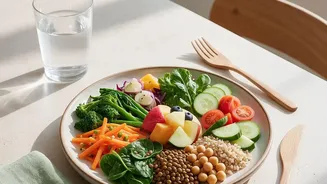
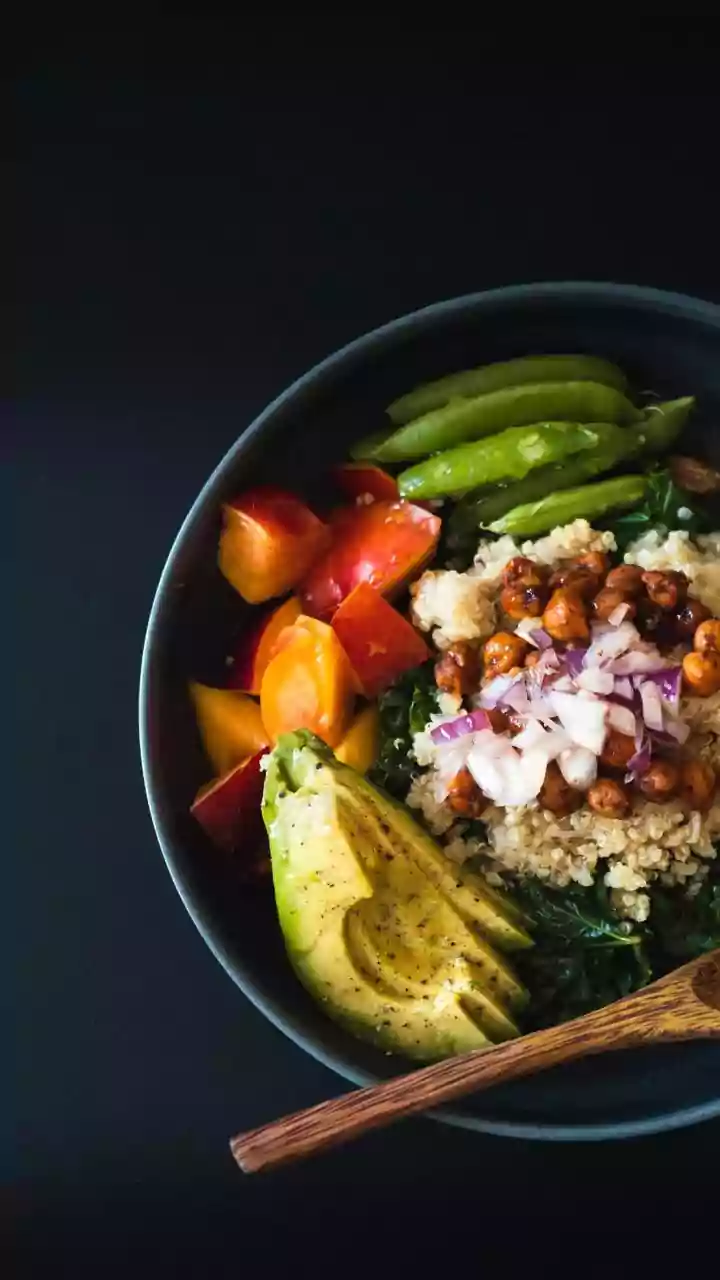
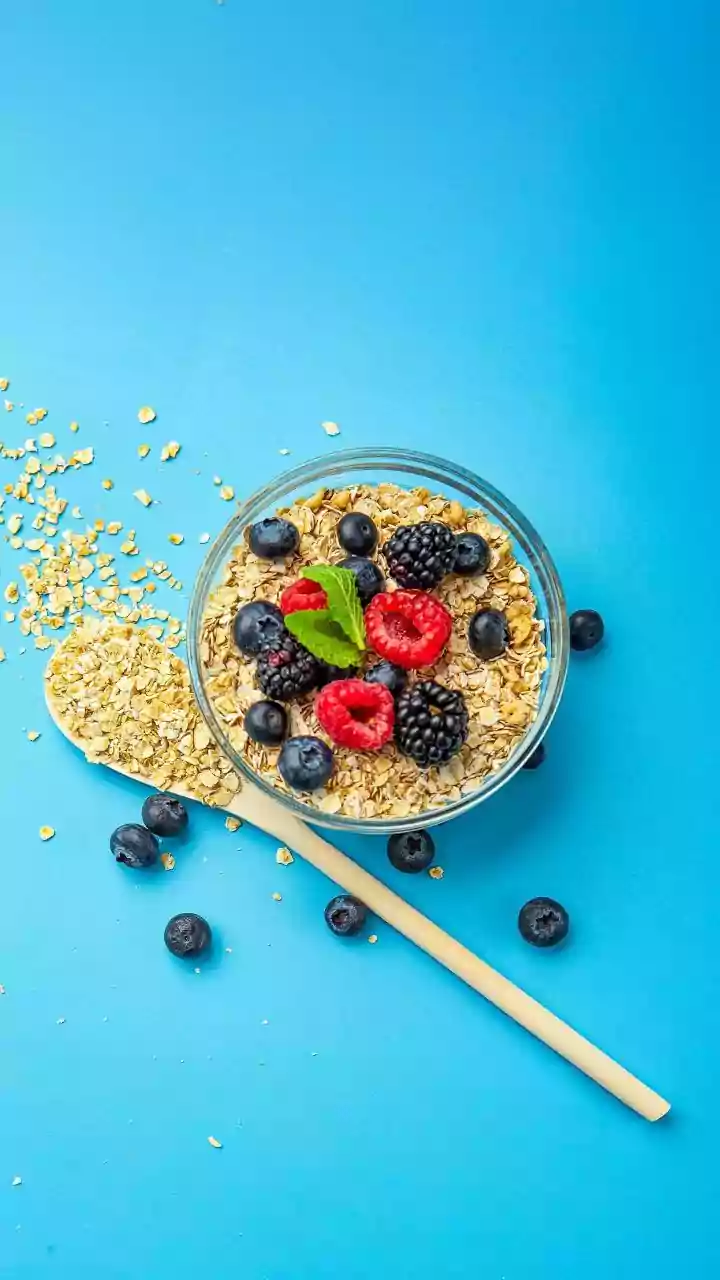
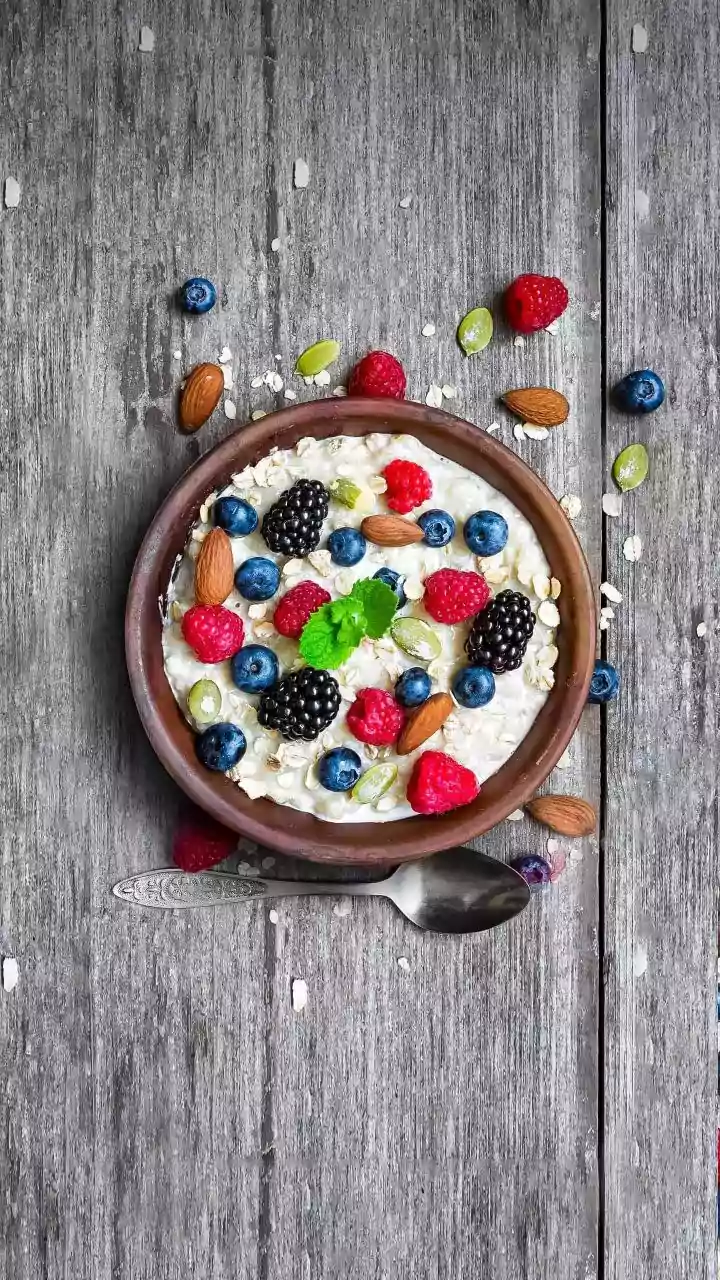
Incorporating ancient grains into your daily meals is simpler than you might think. Start by swapping them in for rice or pasta in your favourite dishes. A Mediterranean farro salad makes for a refreshing and hearty lunch, while a quinoa bowl with roasted vegetables is a perfect weeknight dinner. For breakfast, try a warm bowl of amaranth or millet porridge topped with fruit and nuts. You can also add cooked grains like barley or spelt to soups and stews to make them more filling and nutritious. Many ancient grains can be cooked in batches and stored for several days, making meal prep quick and easy.