




A Coastline Under Pressure
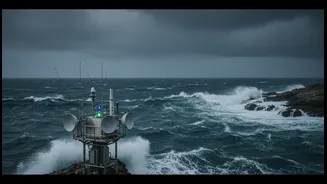
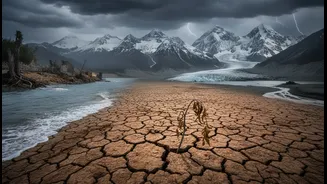
Stretching over 7,500 kilometres, India's coastline is home to an estimated 170 million people and critical economic hubs like Mumbai, Chennai, and Kolkata. However, this vibrant region is on the front lines of climate change. Rising sea levels, which
have already climbed by 8.5 centimetres in the last 50 years, are intensifying the risks of coastal erosion and flooding. Recent studies warn that about one-third of India's coastline is already experiencing erosion. This is compounded by an increase in the frequency and intensity of cyclones, particularly in the Arabian Sea, which was historically less prone to such events. These changes threaten not only lives and infrastructure but also the livelihoods of millions who depend on fishing and agriculture.
Beyond the Surface: What is Detailed Observation?
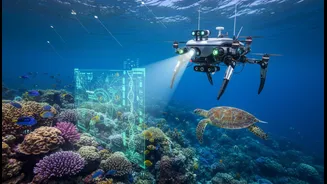
Historically, our understanding of the ocean was limited to surface-level measurements like temperature and wave height. Today, detailed ocean observation goes much deeper. It involves collecting a wide array of physical, chemical, and biological data from the surface to the seafloor. This includes real-time information on currents, salinity, water quality, oxygen levels, and even the movement of microscopic life. This comprehensive data provides a three-dimensional, dynamic picture of the ocean, helping scientists understand complex processes that drive weather patterns, influence marine ecosystems, and impact our coasts. It's the difference between seeing a photograph of the ocean and watching a live, high-definition movie of everything happening within it.
The Technology Powering the Change
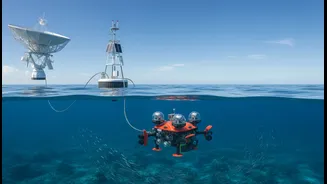
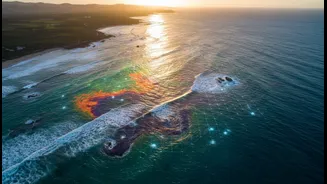
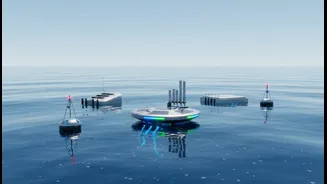
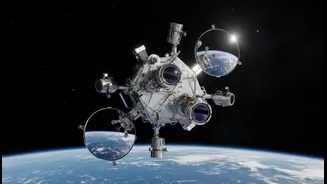
This new era of ocean intelligence is powered by a suite of advanced technologies. Autonomous platforms like Argo floats drift with the currents, diving to depths of 2,000 meters to measure temperature and salinity. Unmanned underwater gliders and surface vehicles, such as Saildrones, can patrol the seas for months, collecting vast datasets. These are complemented by sophisticated sensors on moored buoys, high-frequency radar systems that monitor coastal currents, and advanced satellites that track sea-level rise with incredible precision. Technologies like Artificial Intelligence (AI) are also crucial, helping to process the massive volumes of data, identify patterns like oil spills or harmful algal blooms, and improve the accuracy of forecasts.
From Data to Decisions in India
In India, the Indian National Centre for Ocean Information Services (INCOIS) is at the forefront of translating this data into actionable advice. By running sophisticated numerical models fed with real-time observations, INCOIS provides vital services that directly impact coastal communities. Their Ocean State Forecasts deliver 5-10 day predictions on waves, currents, and temperature, which are crucial for the safety of fishermen, the shipping industry, and offshore operations. The Tsunami Early Warning Centre provides round-the-clock monitoring for the entire Indian Ocean rim. Furthermore, INCOIS provides daily advisories on Potential Fishing Zones, helping fisherfolk locate fish stocks more efficiently, saving fuel and time while boosting their income. This data is fundamental for designing coastal protection structures, planning new ports, and managing marine resources sustainably.
Building a Resilient Future
As climate change accelerates, the need for proactive, data-driven coastal management becomes more urgent. The information gathered by these advanced observation systems is invaluable for creating effective adaptation plans. It allows planners to assess vulnerabilities more accurately, model the potential impact of storm surges, and identify where natural defences like mangroves can be most effective. For a country where millions are projected to be affected by chronic flooding by 2100, these tools are not just for scientific research; they are essential for safeguarding futures. Continued investment in ocean observation is an investment in the resilience of India's coastal cities, economies, and communities against the challenges of a changing climate.