


The Queen of Herbs: Tulsi
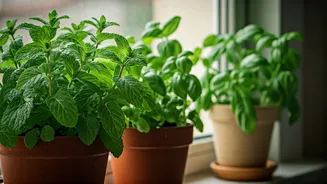
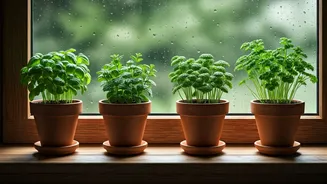
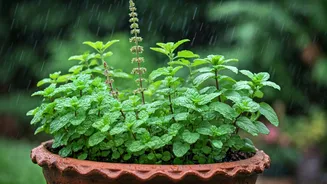
No Indian home is truly complete without the sacred Tulsi plant. Revered for its medicinal properties, Holy Basil is an essential herb for the monsoon. Its leaves are known to boost immunity and help combat common seasonal ailments like colds and coughs,
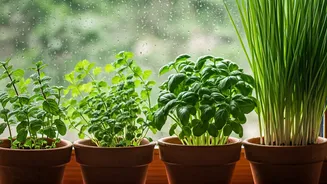
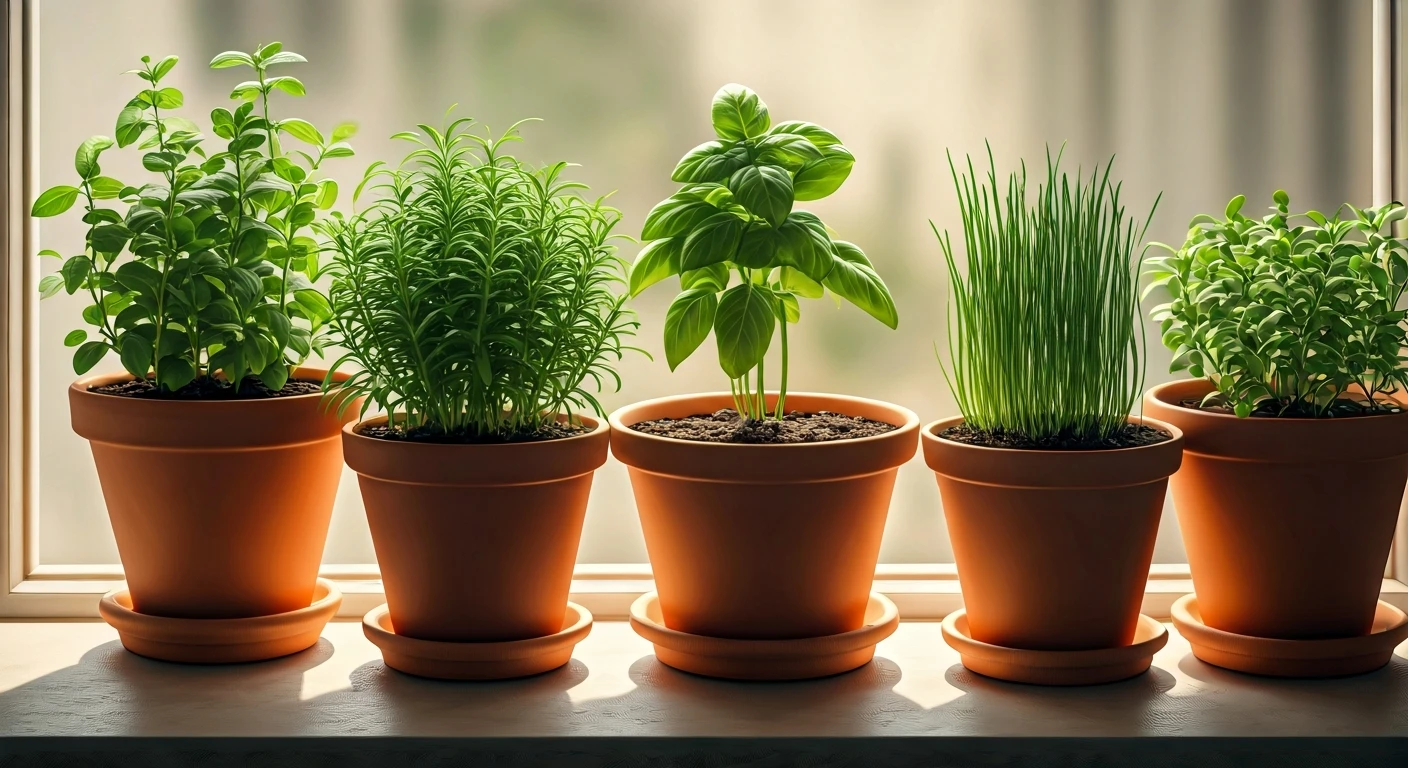
making it a powerful natural antibiotic. The rainy season, with its warm and humid weather, is an ideal time for Tulsi to grow, but it needs protection from heavy, continuous downpours. Plant a sapling in a pot with excellent drainage, as waterlogged soil can lead to root rot. Place it where it can receive at least four to six hours of sunlight. Water only when the topsoil feels dry, and to encourage a bushier plant, regularly pinch off the top few leaves and any flowering heads (manjiri). A weekly sip of diluted milk—one small cup in a litre of water—can act as a wonderful natural fertiliser. Fresh leaves can be chewed raw, or added to your daily chai for a wellness boost.
The Prolific Refresher: Mint
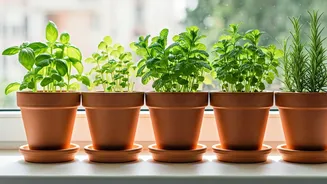
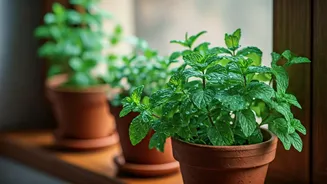
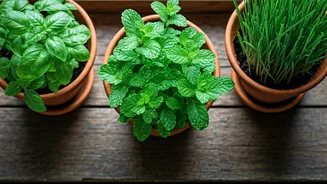
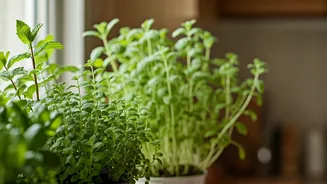
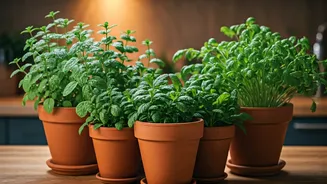
Mint, or Pudina, is one of the easiest and most rewarding herbs for a beginner to grow. It thrives in the moist conditions of the monsoon and grows so prolifically that you'll have a constant supply for chutneys, raitas, and refreshing drinks. This herb is best grown in its own pot, as its aggressive roots can quickly take over any shared space. You can easily start a new plant from a healthy cutting. Place it in a pot with well-draining soil and position it in a spot that receives partial sunlight, like a bit of gentle morning sun. While mint loves moisture, it's crucial to avoid waterlogging, which can cause the roots to rot and stems to blacken. Water only when the top layer of soil feels dry. Regularly harvesting the leaves encourages the plant to become bushier and more productive. Beyond its culinary uses, mint is also great for digestion, helping to relieve bloating and gas.
The Kitchen Staple: Coriander
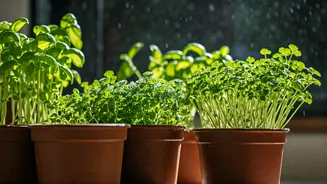
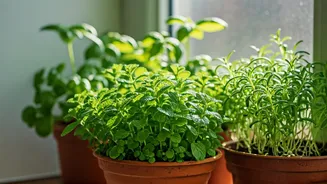
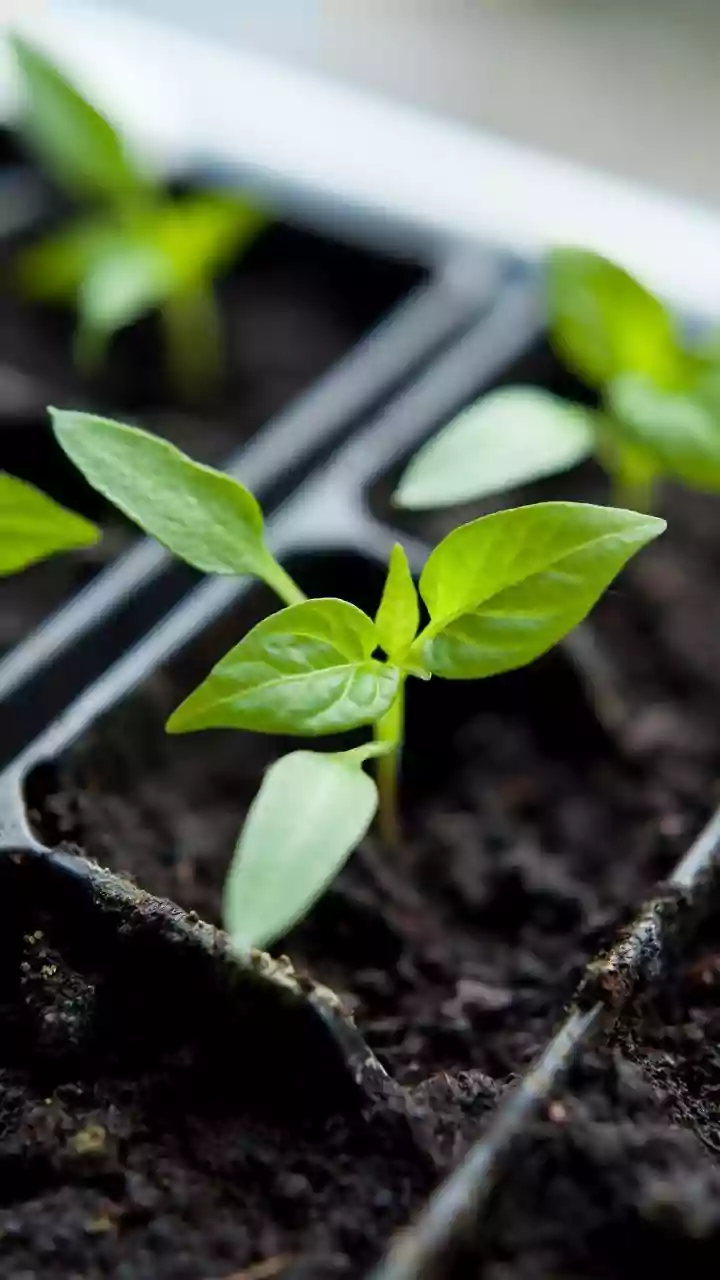
Freshly chopped coriander, or Dhania, is the finishing touch on countless Indian dishes, and growing it at home ensures you always have it on hand. Coriander grows quickly from seeds and is an excellent choice for beginners. For best results, lightly crush the whole coriander seeds you find in your kitchen masala box before sowing them, as this helps speed up germination. Sow the seeds in a pot with well-draining soil, covering them lightly. Coriander prefers a spot with gentle sunlight, as harsh, direct sun can cause it to 'bolt' or flower prematurely, which reduces leaf production. Keep the soil consistently moist but never soggy. The key to a continuous supply is to harvest correctly. Snip the outer, larger leaves first and leave the inner shoots to continue growing. Because it's an annual, it’s a good idea to sow a new batch of seeds every few weeks for a season-long harvest.
The Aromatic Healer: Lemongrass
The refreshing, citrusy aroma of lemongrass is reason enough to grow it. This herb thrives in the humid weather of the monsoon and is a fantastic addition to a slightly larger pot on your windowsill or balcony. Its fragrant stalks are perfect for brewing herbal teas and flavouring soups and curries. Beyond its culinary uses, lemongrass contains compounds with antimicrobial properties and is a well-known natural mosquito repellent—a significant bonus during the rainy season. The easiest way to grow lemongrass is by rooting store-bought stalks. Simply place the bulbous ends in a glass of water, changing it every couple of days. Once roots appear, you can plant the stalks in a pot with a mix of garden soil and compost. Lemongrass loves sunshine, needing about four to five hours daily, and prefers to be kept consistently moist.