



In the world of plant-based eating, lentils and quinoa are titans. Both are praised for their impressive nutritional profiles, but how do they stack up? Understanding their unique strengths helps unlock their full potential in a balanced diet.
The Humble, Hearty Lentil
Lentils
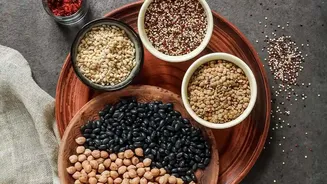
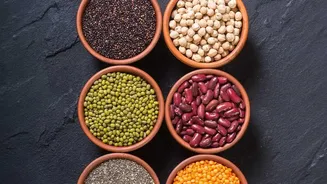
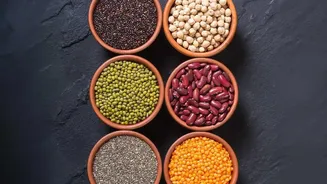
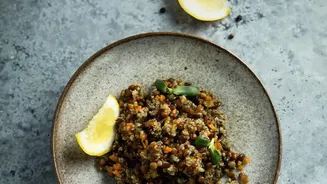
are small but mighty legumes that have been a staple in diets around the world for thousands of years. They come in a variety of colors—brown, green, red, and black—each with a slightly different texture and cooking time. Nutritionally, lentils are a powerhouse. A single cooked cup offers a significant amount of plant-based protein, making them a cornerstone for vegetarians and vegans. But their benefits don't stop there. Lentils are exceptionally high in dietary fiber, which is crucial for digestive health, stabilizing blood sugar levels, and promoting a feeling of fullness that can aid in weight management. They are also a fantastic source of essential minerals, particularly iron and folate. Iron is vital for energy production and preventing fatigue, while folate is key for cell growth and overall health.
Quinoa: The Ancient 'Supergrain'
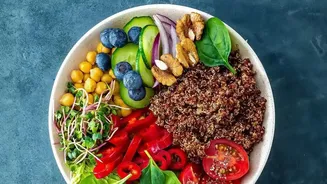
Often mistaken for a grain, quinoa is technically a seed from a plant related to spinach and chard. Hailing from the Andes mountains of South America, it was considered sacred by the Incas. Today, it's celebrated globally for one major reason: it's a complete protein. This means it contains all nine essential amino acids that our bodies cannot produce on their own, a rare trait in the plant kingdom. Most plant foods are 'incomplete' proteins, but quinoa provides the full set, similar to animal products. A cooked cup provides a solid dose of protein along with a good amount of fiber. Quinoa is also rich in minerals like magnesium, manganese, and zinc, nutrients that can sometimes be harder to obtain on a vegetarian diet. Its low glycemic index means it releases energy slowly, preventing sharp spikes in blood sugar.
A Nutritional Comparison
When placed side-by-side, the differences between lentils and quinoa become clear. In terms of protein, lentils generally offer more per serving, with a cooked cup containing around 18 grams, compared to quinoa's 8 grams. However, quinoa's protein is 'complete', while lentils are low in one essential amino acid, methionine. Lentils are the undisputed champion of fiber, packing roughly three times the amount found in quinoa, which makes them incredibly filling and great for gut health. Lentils also take the lead on iron and folate content. On the other hand, quinoa provides more magnesium and manganese. In terms of calories and carbohydrates, they are quite similar per cooked serving. Ultimately, neither is 'better'—they simply offer different nutritional advantages.
In the Kitchen: A Perfect Partnership
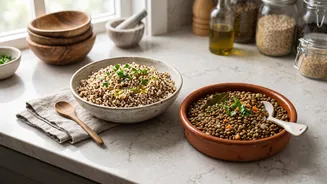
Beyond nutrition, lentils and quinoa have distinct culinary uses. Lentils, especially brown and green varieties, hold their shape well and are perfect for hearty soups, stews, and veggie burgers. Red lentils cook down to a softer, creamier texture, making them ideal for thick dals and purees. Quinoa has a fluffy, slightly chewy texture and a mild, nutty flavor that makes it a versatile substitute for rice or couscous. It shines in salads, grain bowls, and as a breakfast porridge. But you don't have to choose between them. In fact, they work brilliantly together. Combining lentils and quinoa in a single dish, such as a salad or a one-pot meal, creates a nutritional powerhouse. The quinoa provides the complete amino acid profile that lentils lack on their own, while the lentils boost the meal's overall protein and fiber content significantly. This combination ensures you are getting a robust and balanced array of nutrients in one go.