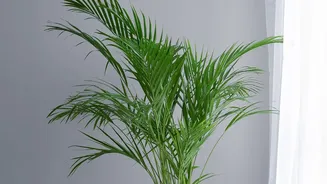



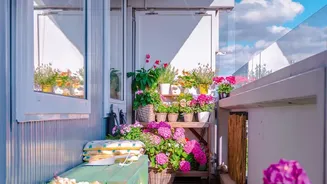
Why the Monsoon Is Tricky for Many Plants
While the rains are a blessing, they create a challenging indoor environment. The combination of reduced sunlight, constant high humidity, and the tendency for soil to stay damp can be a death sentence for many popular houseplants. Cloudy skies mean less light for photosynthesis,
which can lead to leggy, weak growth. Meanwhile, high humidity and wet soil prevent roots from getting enough oxygen, creating the perfect conditions for root rot, the number one killer of indoor plants. Fungal infections and pests like fungus gnats also flourish in these damp conditions. But don't despair; the solution lies in choosing plants that are naturally adapted to these very challenges.
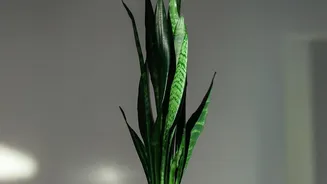
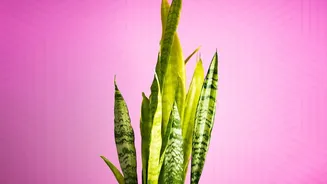
Snake Plant (Dracaena trifasciata)
Often called 'mother-in-law's tongue', the Snake Plant is the champion of low-maintenance greenery. It is exceptionally tolerant of low light, making it perfect for gloomy, overcast days. Its succulent-like leaves store water, meaning it's highly forgiving of infrequent watering. This is a huge advantage during the monsoon when overwatering is a major risk. Let its soil dry out completely between waterings to keep it happy. Its architectural, upright leaves also add a modern touch to any apartment space while purifying the air.
ZZ Plant (Zamioculcas zamiifolia)
If you're looking for a plant that truly thrives on neglect, the ZZ Plant is your answer. With its glossy, dark green leaves, it looks lush with minimal effort. The ZZ Plant is well-adapted to low-light conditions and is extremely drought-tolerant thanks to its large, potato-like rhizomes that store water. This makes it almost immune to the common monsoon problem of root rot from excess moisture. It prefers its soil to be on the dry side and can even survive in humid environments like bathrooms. For a busy or beginner plant owner, this is a foolproof choice.
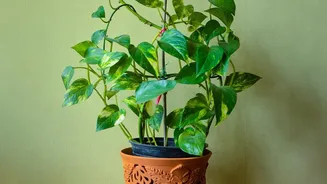
Pothos or Money Plant (Epipremnum aureum)
A staple in many Indian homes, the Money Plant is famously easy to grow. This versatile vine is not fussy about light and can thrive in the indirect, diffused sunlight typical of the rainy season. While it doesn't like to sit in waterlogged soil, it is more forgiving than many other plants. The key is to wait until the top inch or two of soil feels dry before watering again. Pothos loves the high humidity of the monsoon, which helps keep its leaves lush and prevents crispy edges. Its trailing vines are perfect for shelves, hanging baskets, or even training up a wall.
Peace Lily (Spathiphyllum)
The Peace Lily is a beautiful and functional choice, renowned for its elegant white blooms and air-purifying qualities. It's one of the few plants that can flower in low-light conditions, brightening up a dim corner of your apartment. Peace Lilies thrive in high humidity and consistently moist (but not waterlogged) soil, making them well-suited to the monsoon climate. They are also very communicative; the leaves will dramatically droop when thirsty, taking the guesswork out of watering. Just be sure the pot has excellent drainage to prevent root issues.
Aglaonema (Chinese Evergreen)
With stunning, patterned leaves in shades of green, silver, pink, and red, the Aglaonema adds a splash of colour on even the dreariest of days. These plants are celebrated for their ability to adapt to low-light indoor environments. Crucially, they love the high humidity that the rainy season provides, which mimics their native tropical habitat. This helps their foliage stay vibrant and healthy. Like other plants on this list, it's best to let the soil dry out slightly between waterings to avoid any risk of root rot.
Essential Monsoon Care Reminders
Regardless of the plant, a few rules are critical during the rains. First, always check the soil before watering. Stick your finger an inch or two into the pot; if it feels moist, wait a few more days. Good drainage is non-negotiable, so ensure your pots have holes and aren't sitting in trays full of water. Finally, improve air circulation where possible by spacing plants out or using a small fan to keep fungal diseases at bay. Wiping leaves with a damp cloth can also help them absorb what little light is available.