







A City Under Water
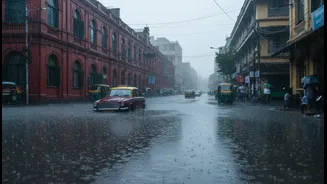
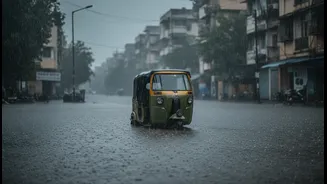
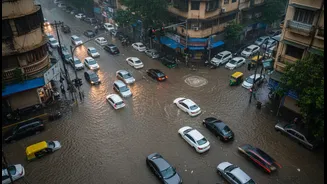
The heavy monsoon showers on Friday brought Kolkata to a standstill. A combination of a monsoon trough and a cyclonic circulation over the Bay of Bengal led to intense, sustained rainfall across South Bengal. Morning commuters faced a harrowing time as
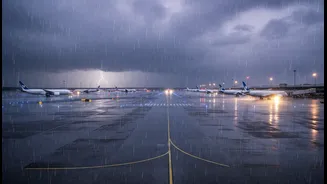
major thoroughfares and low-lying areas quickly became waterlogged, slowing traffic to a crawl in places like Salt Lake's Sector V. The India Meteorological Department (IMD) reported that areas like Dum Dum, home to the airport, recorded significant rainfall, leading to warnings of potential flight delays. Airlines issued advisories for passengers, and the general advice for residents was to avoid unnecessary travel as the city braced for more rain through the weekend.
The Hidden Risks Beyond Traffic
While traffic jams are the most visible consequence, the greater risks of severe waterlogging are often hidden. Public health officials consistently warn that stagnant floodwater becomes a breeding ground for mosquitoes, increasing the risk of diseases like dengue and malaria. There is also a significant threat from waterborne ailments like leptospirosis and cholera. Another immediate danger comes from the city's infrastructure itself. Submerged electrical boxes and damaged underground cables pose a serious risk of electrocution, and open manholes, invisible under murky water, can cause grievous injuries. Authorities advise extreme caution, urging people to avoid wading through flooded streets whenever possible.
The Unexpected Silver Linings
For all its disruption, the monsoon is the city's lifeline. The intense rainfall plays a crucial role in replenishing Kolkata's groundwater table, which is vital for the region's water security. Ecologically, the rain offers a much-needed service by washing away months of accumulated pollutants from the air, providing cleaner, fresher air. Furthermore, the sprawling East Kolkata Wetlands, a Ramsar site, depend on this seasonal influx. These wetlands act as a massive natural sponge, absorbing excess rainwater and reducing the severity of flooding in the city, all while using the nutrient-rich water to support local fisheries and agriculture. The downpour also brings welcome relief from the oppressive heat and humidity that precedes it.
The Official Response
In response to the deluge, municipal bodies like the Kolkata Municipal Corporation (KMC) activate their monsoon protocol. This involves deploying high-capacity pumps in chronically waterlogged areas and clearing blockages in the drainage system. The IMD provides continuous updates, issuing warnings for heavy rain, thunderstorms, and gusty winds, allowing authorities to prepare. Fishermen were advised to stay ashore due to rough sea conditions. However, these annual events highlight the ongoing challenge of upgrading the city's colonial-era drainage network to cope with the increasing intensity of rainfall and rapid urbanisation.
Your Monsoon Safety Checklist
Navigating the rainy season safely requires preparation. Here are some key takeaways for every resident: Stay Informed: Keep an eye on weather updates from the IMD and check local traffic reports before leaving home. Health and Hygiene: Avoid walking in floodwater if possible. If you must, wash your hands and feet thoroughly afterwards. Drink boiled or purified water to prevent waterborne diseases. Electrical Safety: Be wary of submerged electrical installations and report any downed wires to the authorities immediately. Avoid touching wet walls near electrical points. Emergency Kit: Keep a small emergency kit with essentials like a torch, power bank, first-aid supplies, and important documents sealed in a waterproof bag. Commute Carefully: Allow for extra travel time. If driving, move slowly through waterlogged streets to avoid damaging your vehicle and creating waves that enter roadside properties.