




The Cheesecake That Breaks All Rules
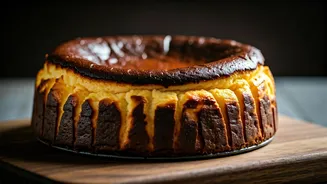
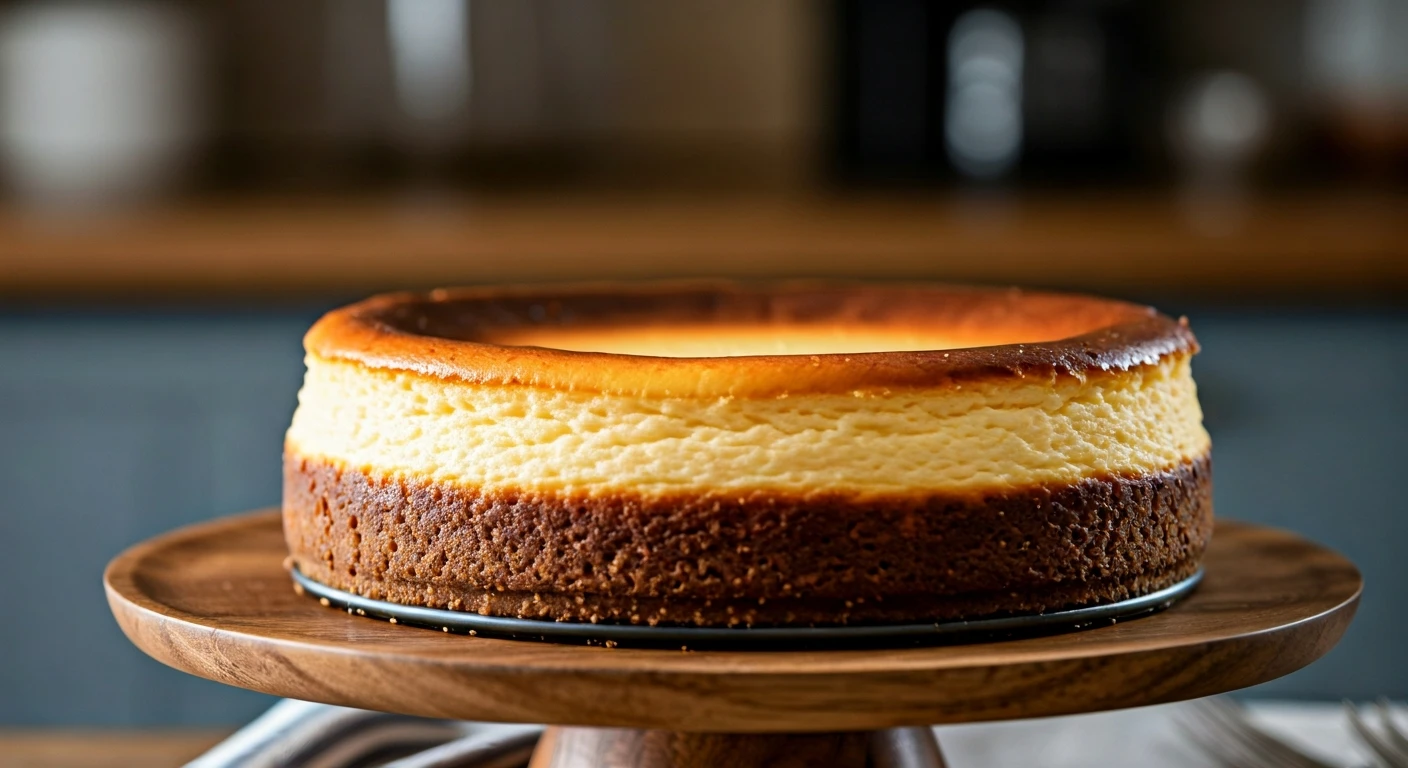
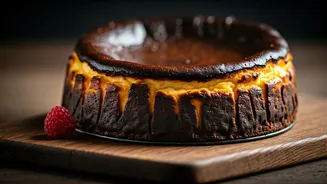
Meet the Basque Burnt Cheesecake. This isn't your typical New York-style cheesecake with its smooth, pale top and crumbly biscuit base. Born in the 1990s at a small bar called La Viña in San Sebastián, Spain, this dessert is the rebel of the cheesecake world.
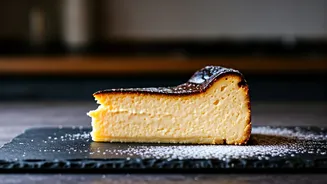
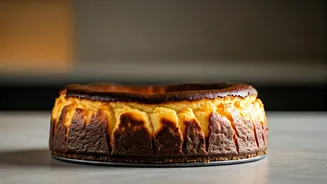
It is intentionally baked at a very high temperature to achieve a deeply caramelised, almost burnt, exterior that guards a ridiculously creamy, soft, and delicate interior. The contrast is what makes it so special. There's no finicky water bath, no worrying about cracks, and no crust to press into the pan. In fact, cracks and imperfections are part of its charm. It’s a dessert that celebrates rustic simplicity while delivering a sophisticated, complex flavour.
Why You'll Love Making It
The beauty of the Basque cheesecake lies in its forgiving nature. For years, home bakers have been intimidated by the precision required for traditional cheesecakes—the gentle mixing to avoid air bubbles, the dreaded water bath to prevent cracking, and the long, slow cooling process. The Basque method throws all that out the window. You whisk everything together with enthusiasm, pour it into a parchment-lined tin, and blast it in a hot oven. The goal isn't perfection; it's a beautiful, bittersweet char on top. This makes it the perfect project for both novice bakers who want an impressive win and seasoned pros who want a break from fussy techniques. It’s a high-impact, low-stress dessert that tastes like you spent days perfecting it.
Your Shopping List
This recipe uses simple, high-quality ingredients. The magic is in the technique, not in sourcing rare items. You will need: * 900g full-fat cream cheese, at room temperature * 300g castor sugar * 6 large eggs, at room temperature * 500ml heavy cream or whipping cream (at least 35% fat), at room temperature * 1 tsp vanilla extract * 1/2 tsp salt * 30g all-purpose flour (maida), sifted
The Step-by-Step Method
1. Preparation is Key: Preheat your oven to 200°C (400°F). Grease a 9-inch round cake tin. Take two large pieces of parchment paper, crinkle them up, then smooth them out and use them to line the tin, overlapping them and allowing the paper to extend about 2 inches above the rim. This crinkled, high collar is the signature look. 2. Mix the Base: In a large bowl, using an electric mixer or a strong whisk, beat the room-temperature cream cheese and sugar until completely smooth. This is the most important step for a silky texture, so scrape down the sides of the bowl to ensure there are no lumps. 3. Incorporate Eggs: Add the eggs one at a time, beating well after each addition until just combined. Don't over-whip; you want to incorporate them, not fill the batter with air. 4. Add Liquids and Flour: With the mixer on low, slowly pour in the heavy cream and vanilla extract. Add the salt. Finally, gently fold in the sifted flour until it's just incorporated. The batter will be quite thin and pourable. 5. Bake It Hot: Pour the batter into your prepared tin. Bake for 50-60 minutes. The cheesecake will puff up dramatically and the top will turn a deep dark brown, almost black in spots. Don't panic—this is what you want! The cake should still be very jiggly in the centre when you gently shake the pan. 6. Cool and Set: Let the cheesecake cool completely in its tin on a wire rack. It will deflate significantly as it cools; this is normal. Once at room temperature, you can transfer it to the refrigerator to chill for at least 4 hours, or preferably overnight. The flavour and texture are best when it’s fully set and cold.
Tips for Perfect Imperfection
To get the best results, ensure all your dairy and eggs are at room temperature. This helps them combine into a smooth, lump-free batter. When checking for doneness, look for the colour and the jiggle. The centre two-thirds of the cake should wobble like jelly when you nudge the pan. If you're nervous about the 'burnt' top, trust the process. The caramelised bitterness is the perfect counterpoint to the rich, sweet filling. Serve the cheesecake on its own to appreciate its unique flavour, or with a side of fresh berries. To slice, use a hot, clean knife for neat cuts.