





The Body's Secret Conversation
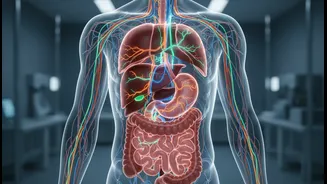
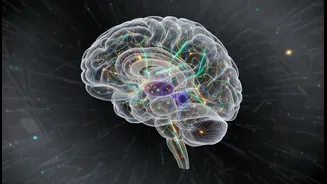
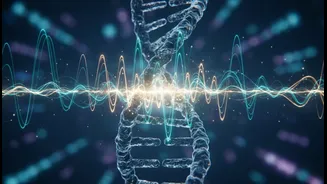
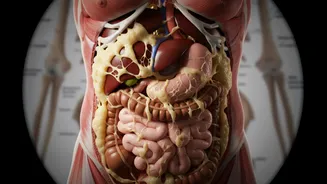
For centuries, we’ve mostly studied organs in isolation. But scientists now understand that organs constantly “talk” to each other through a process called inter-organ crosstalk. This communication network is essential for maintaining our health, coordinating
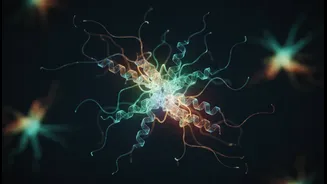
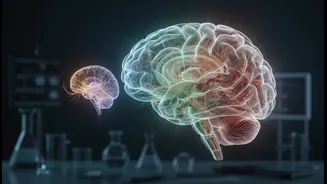
everything from our energy levels to our immune response. The messengers in this complex system are often proteins, which are released into the bloodstream to deliver instructions to distant tissues. Think of it like the body’s internal postal service: the liver might send a protein package to fat tissue, or muscles might send a signal to the brain. This dialogue ensures all parts of the body work in harmony. When this communication breaks down, it can lead to or worsen diseases like diabetes, heart failure, and even neurodegenerative conditions.
The Promise of Eavesdropping
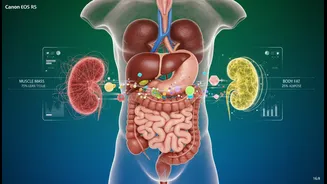
The ability to “eavesdrop” on these conversations is a monumental leap forward. By identifying and tracking these protein signals, scientists hope to create a detailed map of how the body functions in both health and disease. The potential applications are vast. These signals could serve as early warning biomarkers, allowing doctors to detect diseases like cancer or kidney disease long before symptoms appear. For example, a specific protein signature could indicate that an otherwise healthy person is on the path to developing type 2 diabetes, enabling early intervention. This research also helps explain things we intuitively know, like why exercise is so good for us. Physical activity prompts muscles to release proteins called myokines, which travel throughout the body to reduce inflammation and improve metabolism, benefiting organs far from the muscles themselves.
Why a Signal Isn't a Simple Cure
This is where the headline's crucial caveat—"Not a Guarantee"—comes in. Finding a protein signal linked to a disease is not the same as finding a cure. The human body’s communication network is bewilderingly complex. The bloodstream is a noisy place, crowded with thousands of different proteins, metabolites, and hormones. Isolating a single, meaningful signal from all that background chatter is a massive technical challenge. Furthermore, context is everything. A single protein might have different effects depending on which organ it comes from, where it’s going, and the body’s overall state. Just because a protein is elevated in people with a certain disease doesn't automatically mean it's causing the disease; it could be a consequence, or even part of the body's attempt to fight back. Unraveling these cause-and-effect relationships is a slow, painstaking process.
The Long Road from Lab to Clinic
Even after a promising protein target is identified, the journey from a laboratory discovery to a usable medical treatment is incredibly long and fraught with failure. This gap is often called the “valley of death” in translational research. A finding that looks promising in a mouse model—where much of this initial research is done—may not work the same way in humans. Before any new diagnostic test or drug can be used, it must go through years of rigorous clinical trials to prove it is safe, effective, and better or more cost-effective than current options. These trials are enormously expensive and face stringent regulatory hurdles. Many promising candidates fail at this stage, never reaching the patients they were intended to help. This reality check doesn’t diminish the importance of the discoveries, but it frames them as the start of a marathon, not the final lap.
What This Means for Health Today
While targeted drugs based on organ crosstalk are likely many years away, this research already offers a valuable takeaway. It provides powerful scientific validation for a holistic view of health. It confirms that our bodies are interconnected systems, and what happens in one area can have profound effects elsewhere. This knowledge reinforces the importance of lifestyle choices. A balanced diet, regular exercise, and adequate sleep don't just affect your weight or energy levels; they actively modulate the body's entire communication network, promoting a state of healthy dialogue between your organs. So, while we wait for futuristic therapies, the best way to apply this cutting-edge science is to embrace the foundational principles of wellness that support the whole system.