




The Old Way of Measuring Protein
For decades, the global standard for measuring a protein's quality has been the Protein Digestibility-Corrected Amino Acid Score, or PDCAAS. This score tried to determine how much of a protein the human body could actually use. It looked at a protein's amino
acid profile and corrected for its overall digestibility. The issue, scientists now agree, is that this method was a bit blunt. It measured protein digestion over the entire digestive tract, which could be misleading. Furthermore, it capped all scores at 1.0, meaning it couldn't differentiate between good proteins and truly excellent ones. For plant-based diets, this system often overestimated the quality of certain proteins because it didn't fully account for factors that can inhibit absorption.
A New, More Accurate Standard Emerges
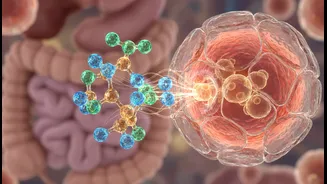
Enter the Digestible Indispensable Amino Acid Score (DIAAS), a newer and more precise method recommended by the UN's Food and Agriculture Organization (FAO) to replace PDCAAS. The key difference is where it measures digestibility. DIAAS assesses the absorption of individual amino acids at the end of the small intestine (the ileum), which is where the majority of absorption happens. This gives a much more accurate picture of the amino acids your body actually has available to use for building muscle, regulating hormones, and supporting the immune system. Unlike the old system, DIAAS is not capped, allowing it to better rank the relative quality of different high-quality protein sources.
What This Means for Plant Proteins
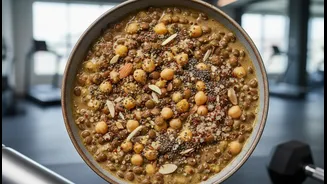
The shift to DIAAS provides a more honest look at plant-based protein sources common in Indian diets. Studies using this more accurate method have found that some plant proteins, like those in certain legumes and cereals, may be less digestible than previously thought. For example, research has shown the true digestibility of proteins in foods like mung bean can be lower than estimated under older systems. This is often due to the presence of 'anti-nutritional factors' like phytates, which can interfere with amino acid absorption. This doesn't mean plant proteins are bad; it simply means we need to be smarter about how we consume them. The new data highlights that the quality and bioavailability are just as important as the total quantity of protein listed on a label.
Recalibrating Your Plate, Not Your Panic
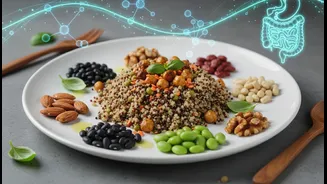
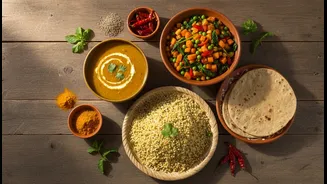
So, do you need to overhaul your diet? For most people, the answer is no. This new data calls for a refinement, not a revolution. The Indian Council of Medical Research (ICMR) recommends about 0.83 grams of protein per kilogram of body weight for a healthy adult. This recommendation already considers that Indian diets are largely plant-based. However, the new data reinforces the importance of traditional wisdom: dietary diversity. Combining different protein sources, like dal with rice or rotis, helps create a more complete amino acid profile. The proteins in cereals are often low in the amino acid lysine, which legumes have in abundance. Together, they make a higher-quality protein meal. The key takeaway is to focus on variety and be mindful that you may need a slightly larger portion of a single plant-protein source to get the same benefit as an animal-based one.
Practical Tips for Your Protein Intake
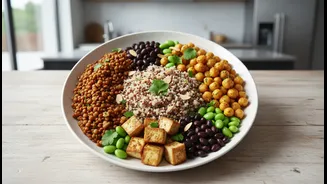
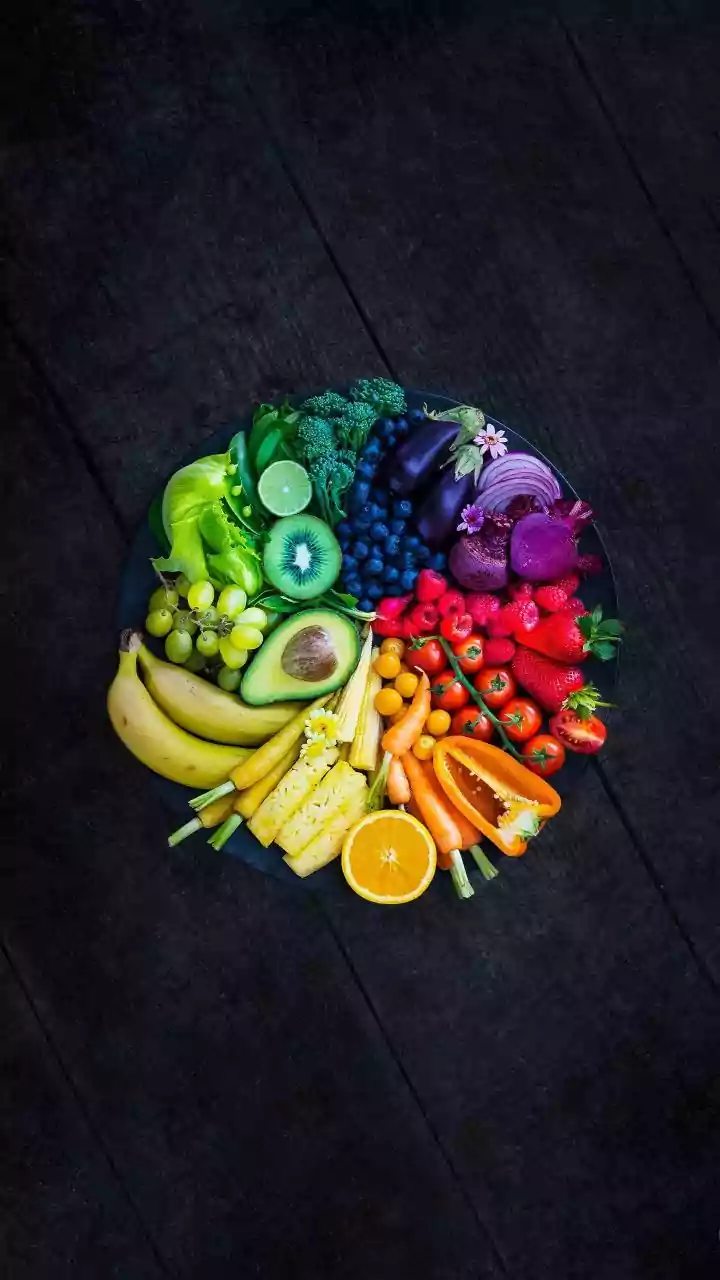
Instead of getting lost in complex DIAAS charts, focus on these practical steps. First, prioritize variety. Mix and match dals, legumes like chickpeas and rajma, whole grains, nuts, and seeds throughout the day. Second, embrace high-quality plant sources. Soy products like tofu and edamame, and dairy products like paneer and Greek yogurt (hung curd), are excellent, highly digestible protein sources. Third, consider cooking methods. Soaking, sprouting, and fermenting legumes and grains can help reduce anti-nutrients and improve protein digestibility. If you rely heavily on a single plant-based protein source, like a daily pea protein shake, it might be worth slightly increasing your intake or adding another protein source to your diet to ensure you are meeting your body's needs for all essential amino acids.