
Choose Your Shade-Tolerant Champions
The single most important step is choosing herbs that don't demand six-plus hours of direct sun. While sun-worshippers like basil and rosemary will struggle, many soft, leafy herbs can thrive in partial shade or with just a few hours of weaker morning
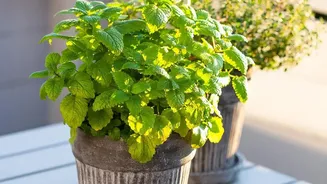
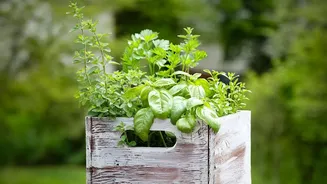
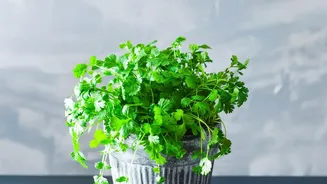
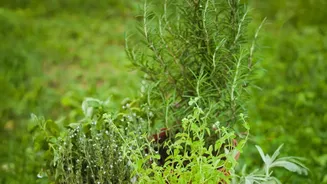
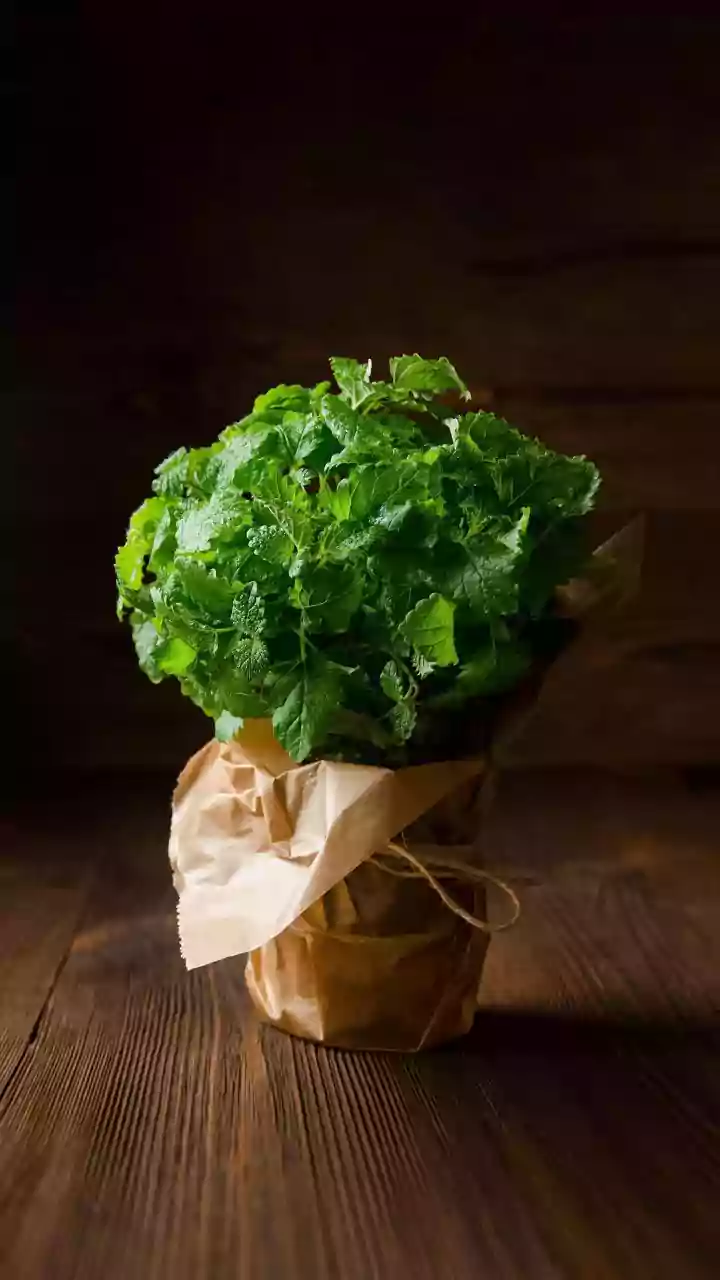
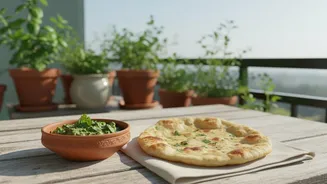
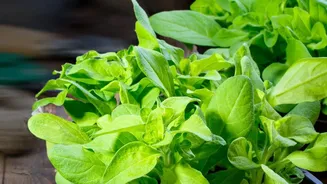
sun. For an Indian kitchen, several excellent choices are surprisingly shade-tolerant. Mint (pudina) is famously vigorous and does well with less light, making it perfect for containers. Coriander (dhania) also prefers cooler conditions and can be grown successfully in partial shade, especially during hotter months to prevent it from bolting (flowering prematurely). Other great options include parsley, chives, and lemon balm. These herbs may grow a bit slower than they would in full sun, but they will still produce plenty of flavourful leaves for your daily cooking needs.
The Right Home: Pots and Soil
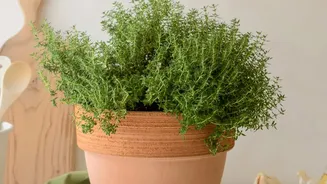
Your low-light herbs need the best possible foundation to flourish. Start with containers that have excellent drainage; no plant enjoys sitting in waterlogged soil, and the risk of root rot is higher in shady, cooler conditions. Terracotta pots are a good choice as they are porous and allow soil to breathe. Most herbs are comfortable in pots that are at least 6-8 inches deep, which gives their roots enough room to grow without becoming constricted. When it comes to soil, don't use heavy garden soil from outside. Instead, opt for a high-quality, well-draining potting mix. This ensures a light, airy environment for the roots and helps prevent compaction. You can enrich the mix with some organic compost to provide a steady supply of nutrients, giving your plants a strong start.
Maximise Light and Master Watering
Even on a dim balcony, you can use a few tricks to make the most of the available light. If your balcony has walls, painting them white or a light colour can help reflect sunlight onto your plants. You can also strategically place small mirrors or other reflective surfaces to bounce light into darker corners. Observe how light moves across your balcony during the day and place your pots in the brightest available spot, even if it only gets a couple of hours of direct sun. Watering is critical in low-light settings. Because there is less sun and heat, the soil will dry out more slowly. The most common mistake is overwatering. Always check the soil before adding more water. A good rule of thumb is to stick your finger an inch into the soil; if it feels dry at that depth, it's time to water. Water thoroughly until it runs out the drainage holes, then let the pot dry out slightly before the next watering.
Care, Feeding, and Harvesting for Success
Herbs growing in low light are often less demanding when it comes to fertiliser. Feeding them too much can lead to weak, 'leggy' growth as the plant stretches for light it can't find. A light feeding with a balanced liquid fertiliser at half-strength once every four to six weeks during the growing season is usually sufficient. Regular harvesting is not just the reward; it's a crucial part of plant care. Frequently pinching back the tips of your herbs, especially mint and coriander, encourages them to grow bushier and more compact rather than tall and spindly. Harvest little and often. This regular pruning stimulates new growth, ensuring you have a continuous supply of fresh leaves for your kitchen.