



What Exactly Is Sattu?
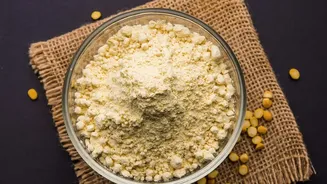
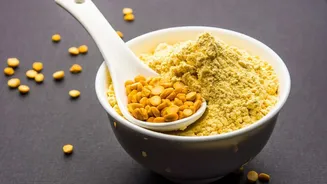
Sattu is a nutrient-dense flour made from roasted Bengal gram (chana), and sometimes other grains like barley or pulses. This isn't your regular besan (gram flour), which is milled from raw chickpeas. The key is in the roasting process, which gives sattu
a distinctive nutty flavour, makes it easier to digest, and allows it to be consumed without cooking. For generations, it has been a staple in regions like Bihar, Uttar Pradesh, and Jharkhand, valued as a cooling food and a source of instant nourishment for farmers and labourers. Often called the 'poor man's protein,' its nutritional profile is anything but poor.
The Nutritional Powerhouse
The headline claim of "instant energy" is backed by sattu's impressive nutritional makeup. It delivers a balanced mix of high-quality plant-based protein, complex carbohydrates, and dietary fibre. A 100-gram serving can contain around 20-25 grams of protein, essential for muscle repair and growth. Unlike sugary energy drinks that cause a crash, the complex carbs in sattu provide a steady, sustained release of energy. Furthermore, it is rich in insoluble fibre, which aids digestion and promotes gut health. It's also packed with essential minerals like iron, magnesium, and manganese, which help combat fatigue and support overall bodily functions.
From Traditional Drink to Modern Bowl
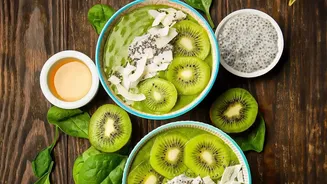
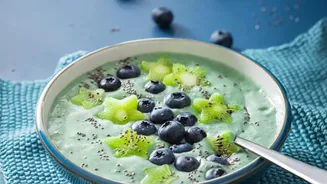
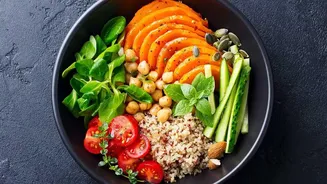
Traditionally, sattu is most famous as a refreshing drink called 'sattu sharbat'. This beverage, made by mixing the flour with water, salt, lemon juice, and roasted cumin, is a time-tested remedy for beating the summer heat. It's also a key ingredient in dishes like Litti Chokha and stuffed parathas. Now, inspired by the global trend of smoothie bowls and Buddha bowls, sattu is being reimagined. The 'sattu bowl' is a versatile concept that transforms the flour into a thick, porridge-like base that can be customized with various toppings, turning it into a complete and satisfying meal for any time of the day.
How to Build Your Perfect Sattu Bowl
Creating a sattu bowl is simple and requires no cooking. The base is the most important part. Start by mixing 3-4 tablespoons of sattu flour with a liquid like curd (dahi), yoghurt, or even just water until you get a thick, smooth paste. For a savoury bowl, which is excellent for lunch or a light dinner, mix in finely chopped onions, tomatoes, cucumbers, and fresh coriander. Season with black salt, roasted cumin powder, and a squeeze of lemon juice. For a touch of texture and healthy fats, add a tempering of mustard seeds, curry leaves, and peanuts. This combination creates a dish that is filling, flavourful, and incredibly nutritious.
Sweet Variations for Breakfast or a Snack
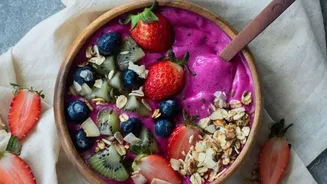
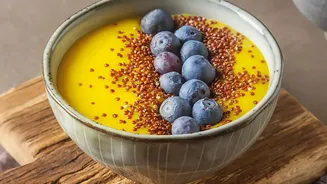
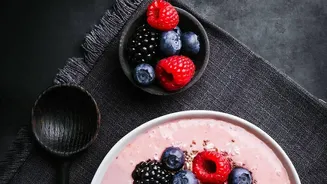
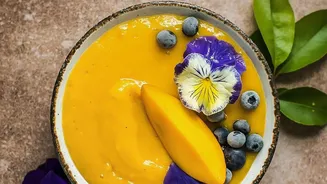
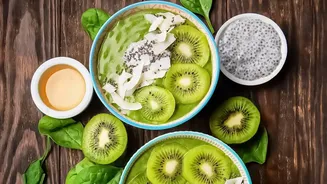
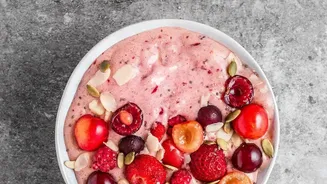
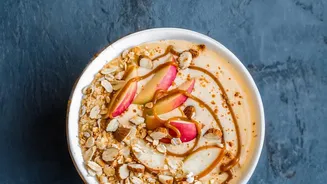
If you have a sweet tooth, sattu bowls can easily be adapted for a healthy breakfast or post-workout meal. For a sweet base, blend sattu with milk, plant-based milk, or yoghurt. Instead of salt and spices, mix in a natural sweetener like jaggery, honey, or mashed dates. Sliced banana is a classic addition that provides potassium and natural sweetness. From there, the possibilities are endless. Top your bowl with fresh fruits like berries or mango, a sprinkle of nuts and seeds for crunch, or a dash of cardamom for a fragrant finish. This turns the humble flour into a dish reminiscent of a high-protein smoothie bowl, perfect for kickstarting your day with lasting energy.