







The Monsoon Health Challenge
The rainy season is a double-edged sword. While it rejuvenates the land, the combination of high humidity and intermittent waterlogging creates a perfect breeding ground for bacteria, viruses, and fungi. This environment significantly increases the risk
of foodborne and water-borne illnesses like diarrhoea, typhoid, and other gastrointestinal infections. Raw vegetables, especially leafy greens, are often grown in soil that can be contaminated. When consumed without being cooked, they can carry pathogens directly to your digestive system. The water used to wash them might also be compromised, adding another layer of risk that makes a simple salad a potential health hazard.
Why Raw Is Risky
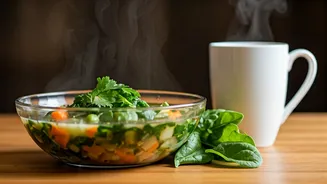
During other seasons, a crisp, raw salad is the picture of health. But in the monsoon, it’s a different story. Vegetables like cabbage, cauliflower, and spinach have numerous nooks and crannies where dirt, germs, and even tiny worms or their eggs can hide. A simple rinse is often not enough to dislodge them, especially if the water itself isn't perfectly clean. These contaminants thrive in the damp, cool monsoon weather. Consuming them raw means you are essentially inviting these microbes into your system at a time when your body's immunity can already be under strain. This is why many Indian households traditionally put away the salad spinner and bring out the cooking pot as soon as the first rains arrive.
The Ayurvedic Perspective on Digestion
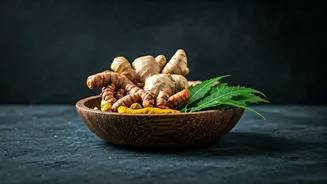
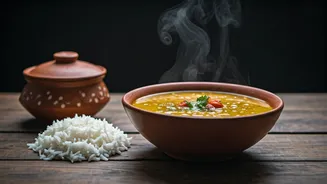
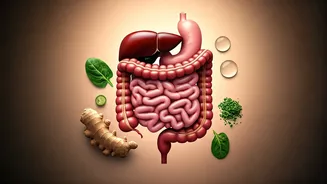
It’s not just about germs. Traditional Indian wisdom, particularly Ayurveda, offers another compelling reason to favour cooked food during the monsoon. According to Ayurvedic principles, the rainy season is dominated by the 'Vata' dosha, which is associated with air and space. This is believed to dampen the 'agni,' or digestive fire. A weakened digestive fire makes it harder for the body to process raw, heavy, and cold foods. This can lead to issues like bloating, gas, and indigestion. Cooked food, on the other hand, is warm, lighter, and partially broken down by the heat, making it much easier for a sluggish digestive system to handle. Spices like ginger, turmeric, and black pepper, often used in Indian cooking, further aid digestion and boost immunity.
The Undeniable Power of Heat
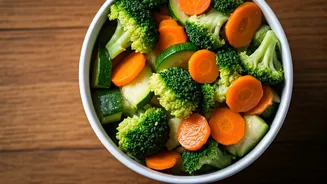
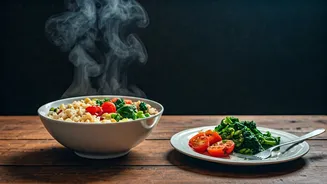
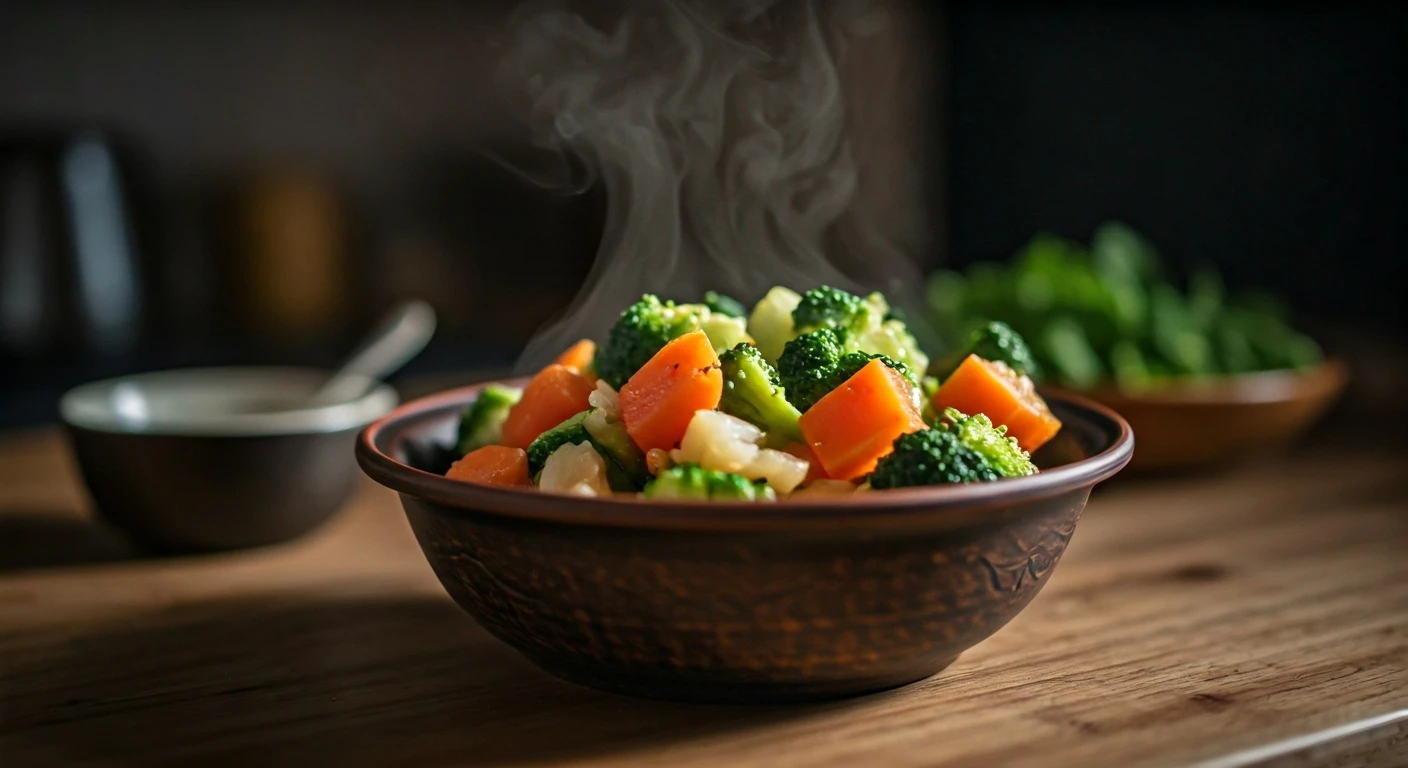
The most straightforward argument for cooked vegetables is rooted in basic science. The process of cooking—be it steaming, boiling, stir-frying, or pressure cooking—involves applying heat. Heat above a certain temperature (generally above 75°C) is extremely effective at killing most of the harmful bacteria, viruses, and parasites that cause foodborne illnesses. It neutralises the microbial risk that is so elevated during the monsoon. Steaming is a particularly great option as it cooks the vegetables thoroughly while helping to retain a significant portion of their nutrients. So, while you might lose a small amount of heat-sensitive vitamins, you gain a massive amount of safety and peace of mind.
Your Smart Monsoon Vegetable List
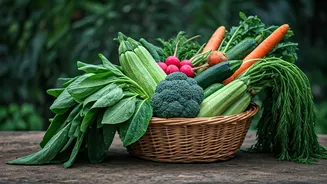
So, which vegetables should be on your monsoon menu? Focus on seasonal gourds, which have a high water content and are easy to digest. Vegetables like lauki (bottle gourd), tinda (Indian round gourd), parwal (pointed gourd), and tori (ridge gourd) are excellent choices. Others like pumpkin, sweet potato, and yam are also great when cooked. Be extra cautious with leafy greens. If you must have them, ensure they are washed meticulously in clean water (perhaps with a drop of vinegar or a potassium permanganate solution) and then cooked thoroughly until they wilt. It’s best to limit or avoid vegetables that are hard to clean, such as broccoli and cauliflower, or consume them only after blanching them in hot water before cooking.