





The Ruling for Digital Equity
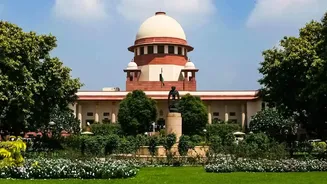
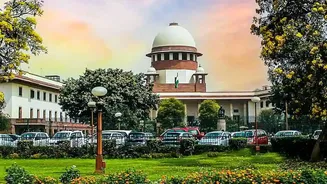
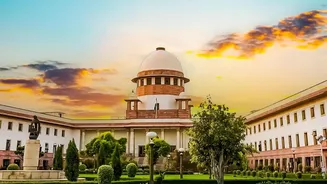
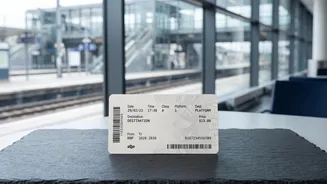
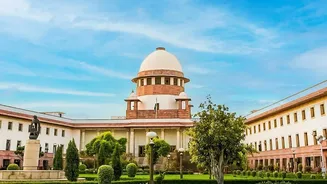
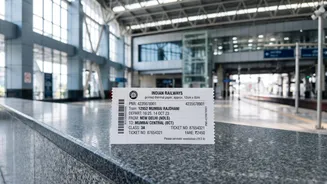
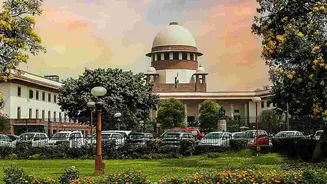
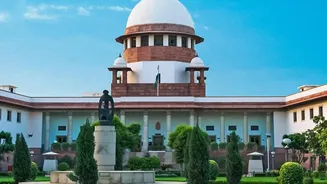
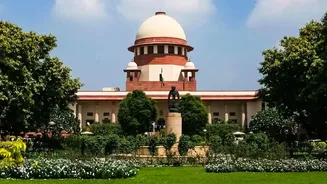
On October 6, 2026, the Supreme Court directed Indian Railways to provide mandatory insurance coverage for all tickets purchased physically at reservation counters, effective from October 27, 2026. This decision aims to eliminate a long-standing disparity
where optional travel insurance was a privilege available almost exclusively to those who booked tickets online. A bench of Justices Ahsanuddin Amanullah and R. Mahadevan noted that passengers buying tickets online could secure insurance for a nominal fee, while those who rely on physical counters, often from lower-income backgrounds, were left without this financial protection. The court expressed its 'utter disappointment' with the Railways' lack of progress on this front, despite being given ample time to create a mechanism for inclusion. The responsibility for implementing this directive has been placed squarely on the Railway Board.
A Matter of Passenger Safety
This landmark order did not arise in isolation. It is part of a wider case on railway safety that the Supreme Court has been hearing, which gained urgency following the tragic Balasore train accident in June 2023 that claimed 296 lives. The initial petition sought an inquiry into the accident and the expedited implementation of the 'Kavach' anti-collision system. However, the court expanded the scope of the case to address broader safety concerns, including the fencing of railway tracks, construction of foot overbridges, and the unequal provision of insurance. The court observed that assurances from the Railways on improving safety had not translated into sufficient action on the ground, prompting the firm directive on insurance to ensure at least one aspect of passenger welfare was addressed without further delay.
Impact on the Common Passenger
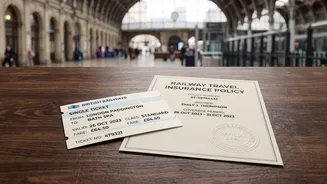
For millions of Indians who do not have access to or are not comfortable with digital payment systems, this ruling is a significant victory. It ensures that their access to a safety net is not determined by their mode of ticket purchase. While over 87% of reserved tickets are now booked online, the remaining percentage represents a substantial number of people, many of whom are from remote areas or economically weaker sections who depend on counter bookings. The insurance, which currently costs online users a nominal 45 paise, provides financial support in the event of death or disability from a train accident or other specified untoward incidents. By making this mandatory for counter tickets, the court is levelling the playing field and reinforcing the principle of equal service for all passengers of a national public utility.
The Implementation Challenge
While the court's directive is clear, the focus now shifts to Indian Railways for its implementation. The Railway Board must now devise a seamless process to integrate insurance into every counter-ticket transaction by the October 27 deadline. This involves logistical considerations at thousands of stations across the country. Questions remain on how the premium will be collected, whether it will be mandatory or optional, and how the terms and conditions will be communicated to passengers who may have limited literacy. The Supreme Court has made it clear that failure is not an option, holding the Railway Board directly accountable for compliance. The next hearing is scheduled for November 16, 2026, when the Railways will likely have to present its progress not just on insurance but on the broader safety measures under scrutiny.