




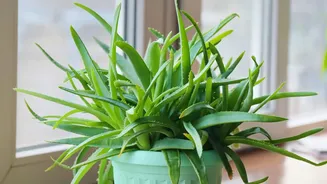

Understanding Your Apartment's Light
Before you choose a plant, you need to become a light detective. The sun's path across the sky means that windows facing different directions receive different types and intensities of light. In India, this is especially crucial. A south-facing window can
be intensely hot, while a north-facing one remains cool and softly lit. East-facing windows get the gentle morning sun, and west-facing windows get the harsh, hot afternoon sun. Understanding this is the first step to matching the right plant to the right place, ensuring it doesn't get scorched by too much light or starved by too little.
North-Facing Windows: The Low-Light Haven
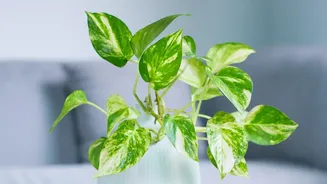
A north-facing window is a plant parent's secret weapon for rooms that don't get direct sun. These windows provide consistent, gentle, indirect light all day long. This makes them perfect for plants that would burn in direct sunlight. These are often called 'low-light' plants, but it's more accurate to say they thrive without direct sunbeams hitting their leaves. They are ideal for bedrooms, study areas, or any corner that needs a touch of green without the fuss of intense light. Plant Suggestions: Snake Plant (Sansevieria), ZZ Plant (Zamioculcas zamiifolia), Pothos (Epipremnum aureum), and Peace Lily (Spathiphyllum). These plants are famously resilient and perfect for beginners.
South-Facing Windows: For Sun Worshippers
In the Northern Hemisphere, a south-facing window gets the most intense and direct sunlight throughout the day. In India, this means a lot of heat, especially during the summer months. This spot is reserved for true sun-lovers that can handle the heat. Think of plants native to desert or arid regions. If you place more delicate plants here, their leaves can get scorched. You can, however, use a sheer curtain to diffuse the intense light, which opens up more possibilities. Plant Suggestions: Succulents like Aloe Vera and Jade Plant, and various types of Cacti thrive here. Sun-loving flowering plants like Hibiscus can also do well if they get several hours of direct sun.
East-Facing Windows: The Gentle Morning Start
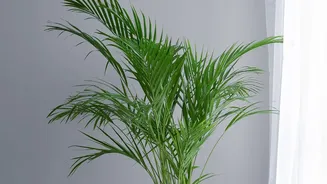
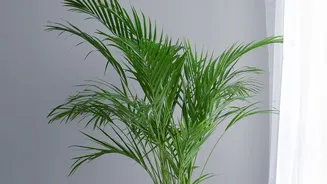
An east-facing window is often considered the sweet spot for a wide variety of popular houseplants. It receives several hours of bright, but gentle, morning sunlight. This light isn't as harsh or hot as the afternoon sun, so it's less likely to burn delicate leaves. This balanced environment supports steady growth and is suitable for many tropical foliage plants that enjoy bright, indirect light. It's the perfect 'wake-up call' for your green friends. Plant Suggestions: Money Plant (another type of Pothos), Spider Plant (Chlorophytum comosum), Areca Palm, and ferns like the Boston Fern all do wonderfully in an east-facing window.
West-Facing Windows: The Afternoon Hot Seat
West-facing windows are a bit tricky. They are relatively shaded in the morning but receive strong, direct, and often very hot sun in the afternoon. This can be stressful for many plants, leading to wilting or scorched leaves. The key is to choose heat-tolerant plants that can handle the intensity. Alternatively, placing plants a few feet away from the window, rather than directly on the sill, can provide the brightness they need without the burning heat. Plant Suggestions: Tough plants like the Rubber Plant, Aloe Vera, and Crotons can handle this spot. Trailing plants like the Heartleaf Philodendron and even Monstera can also thrive if they are positioned to receive bright, indirect light rather than the full force of the afternoon sun.