




More Than Just Blocking Boxes
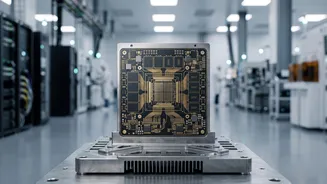
For years, the United States has worked to limit China's access to the world's most advanced semiconductors, the tiny silicon brains essential for developing powerful artificial intelligence. The primary method was straightforward: restricting companies
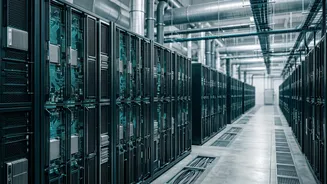
like Nvidia and AMD from selling their top-tier physical chips to Chinese entities. However, Washington discovered this was like trying to stop the flow of water with a picket fence. Chinese tech firms, barred from buying the chips directly, found a clever and perfectly legal workaround. They began renting computing power from data centers located in third countries, particularly in Southeast Asia. This allowed them to train their AI models remotely, using the very hardware they were forbidden to own. It was a classic case of the rules failing to keep pace with technology, a loophole big enough to drive a data center through.
Closing the Cloud Loophole
In mid-November 2026, the U.S. Commerce Department's Bureau of Industry and Security (BIS) rolled out a significant update to its regulations, specifically designed to close this cloud computing loophole. The new interim final rule extends export controls beyond physical shipments to the remote use of chips hosted in overseas data centers. Now, data center operators anywhere in the world must obtain a U.S. license if they provide significant computing capacity to companies headquartered in China, Hong Kong, Macau, Russia, Iran, and other restricted nations. This rule redraws the map of the digital world. It's no longer just about where a chip is shipped; it's about who is allowed to use its processing power, no matter where the server is physically located. Data centers in countries like Singapore, Malaysia, and Thailand, which have become major tech hubs, now face new compliance and due-diligence burdens.
The 'US Persons' Restriction
Another crucial, and often overlooked, aspect of the regulations targets human capital. The rules restrict 'U.S. persons'—meaning American citizens, green card holders, and companies—from providing support for the development or production of advanced semiconductors in certain Chinese facilities. This is a significant restriction that operates independently of any hardware transfer. An American expert cannot simply fly to a restricted facility in China and offer their expertise, even if their work involves no controlled goods. This 'brain drain' component of the policy aims to slow China's indigenous development by cutting off access to American know-how, a critical resource in the highly complex semiconductor industry. It effectively forces a choice for many dual-national or U.S.-resident experts working in the field.
Targeting Diversion and Future Tech
The American government is also playing a strategic game of whack-a-mole, trying to anticipate future workarounds. The new rules add licensing requirements for advanced chip exports to several countries, including Indonesia, Malaysia, Singapore, Thailand, and Brazil, which the U.S. views as having a high risk of diversion. At the same time, the regulations extend to foreign foundries, like those operated by industry giants TSMC and Samsung. These companies, which use American technology in their manufacturing processes, must now get a U.S. license before fabricating advanced chips designed by Chinese firms. This demonstrates a broader shift in policy: it's not just about stopping the sale of a finished product but about controlling the entire ecosystem, from design and manufacturing know-how to the final service delivery via the cloud.
The Global Ripple Effect
These expanded rules have sent shockwaves through the global tech industry. Chinese tech giants like Alibaba and Tencent have publicly stated that the new curbs will tighten their access to the computing power needed to train frontier AI models. Meanwhile, data center operators in Southeast Asia face a wave of investment uncertainty and complex new compliance duties. For India, the developments highlight the deep entanglement of technology and geopolitics. As a rising power in the digital space, India must navigate a landscape where access to critical technology is increasingly governed by the strategic interests of other nations. The U.S. strategy, aimed at slowing China's military and intelligence capabilities, inevitably creates ripple effects that impact supply chains, investment decisions, and the very architecture of the global internet for everyone.