






Prioritise Safe Drinking Water
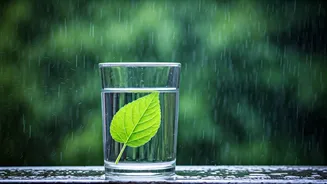
The single most important step you can take is to ensure your drinking water is safe. During the monsoon, groundwater can get contaminated with sewage and other impurities, leading to a rise in water-borne diseases like cholera, typhoid, jaundice, and gastroenteritis.
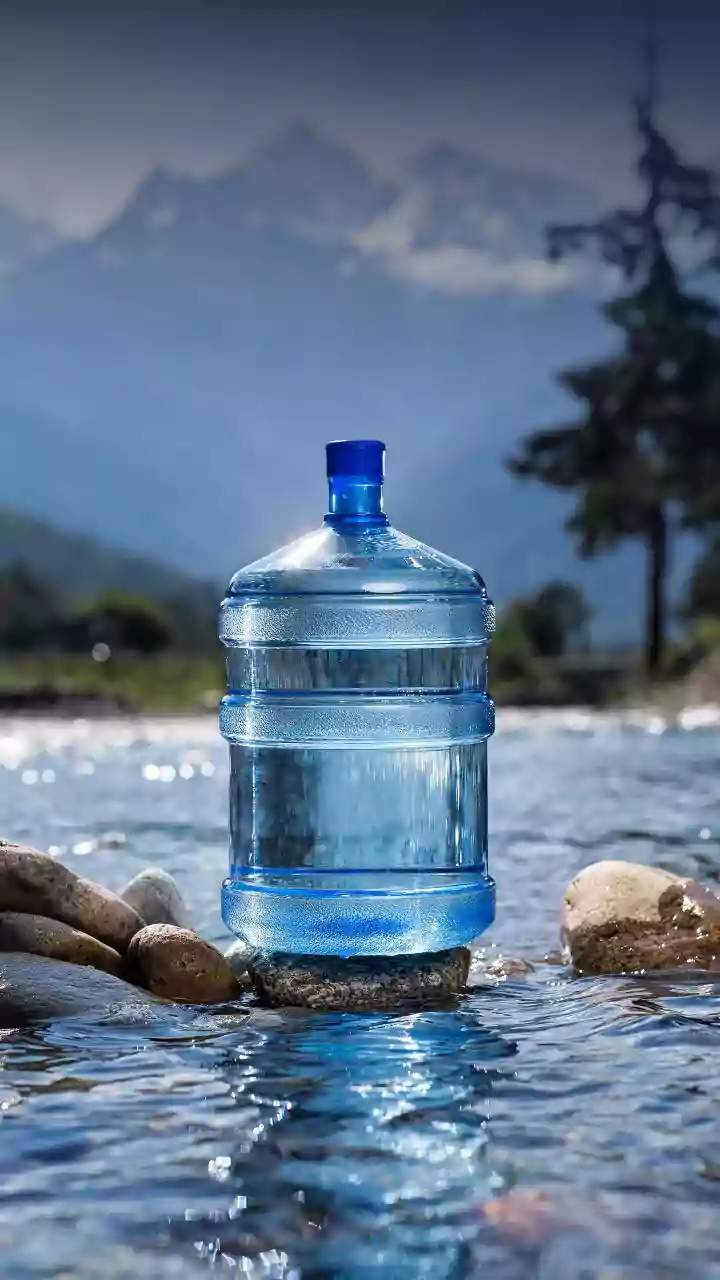
Avoid drinking tap water directly unless you are certain of its source and purity. The safest bet is to boil water for at least 10-15 minutes before cooling it and storing it in clean, covered containers. Alternatively, use a reliable water purifier (RO+UV systems are effective). When outside, carry your own water bottle or stick to packaged mineral water from trusted brands. Be wary of ice added to drinks in restaurants, as it is often made from unfiltered tap water.
Wage War on Mosquitoes
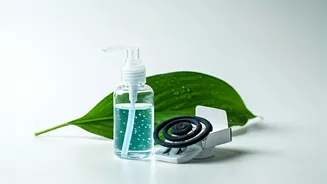
Stagnant water is a mosquito’s best friend. The monsoon provides countless opportunities for these pests to breed, leading to a surge in vector-borne diseases like dengue, malaria, and chikungunya. Conduct a weekly audit of your home and surroundings. Do not let water collect in flower pots, old tyres, air cooler trays, or any open containers. Ensure drains and gutters are clean and flowing freely. Use mosquito repellents on exposed skin, especially during dawn and dusk when Aedes aegypti (dengue mosquito) is most active. Installing mesh screens on windows and doors can prevent mosquitoes from entering your home. At night, sleeping under a mosquito net is a highly effective, chemical-free way to stay protected.
Be Smart About Your Food
Your digestive system is more vulnerable during the rainy season. It's best to be cautious about what you eat. Street food, especially items like chaat, pani puri, and cut fruits, can be a major source of infection as they may be prepared with contaminated water or exposed to flies. It’s wise to avoid them. Opt for freshly cooked, hot meals at home. Pay special attention to leafy green vegetables, as they can carry dirt and germs. Wash all fruits and vegetables thoroughly, preferably with a solution of potassium permanganate or warm salt water, before consumption. Avoid eating raw salads outside. Instead, choose steamed or stir-fried vegetable preparations.
Focus on Personal Hygiene
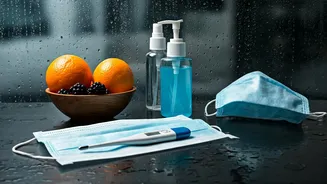
Simple hygiene habits can go a long way in keeping infections at bay. Wash your hands frequently with soap and water, especially before meals and after coming home from outside. The humidity in the air can also lead to fungal infections, particularly on your feet and in skin folds. Always keep your skin dry. If you get drenched in the rain, take a shower with an antiseptic soap as soon as you get home and change into dry clothes. Avoid walking in dirty puddles, but if you do, wash your feet and legs thoroughly and dry them completely. Wear open, breathable footwear like sandals or floaters instead of closed shoes that can trap moisture.
Boost Your Natural Immunity
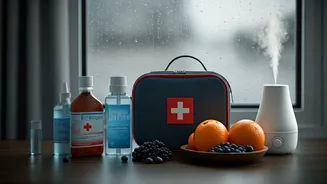
A strong immune system is your body’s first line of defence against any infection. While prevention is key, bolstering your immunity adds an extra layer of protection. Include immunity-boosting foods in your diet. A bowl of hot soup, rich in garlic and ginger, is not only comforting but also has antibacterial properties. Incorporate vitamin C-rich foods like amla, citrus fruits (oranges, lemons), and bell peppers to help your body fight off infections. Probiotic-rich foods like yogurt (dahi) are excellent for gut health, which is closely linked to overall immunity. Getting adequate sleep and managing stress are also crucial for maintaining a robust immune response.