



A Village Closer to the Stars
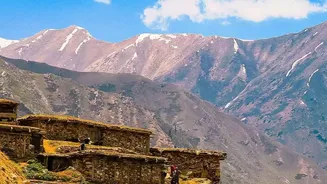
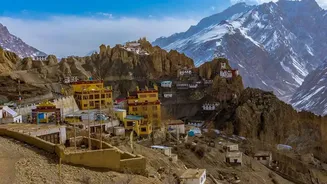
Nestled in the breathtaking Spiti Valley of Himachal Pradesh, Langza sits at a dizzying altitude of about 14,500 feet. This isn't just a place on a map; it's an experience. Surrounded by stark, beautiful mountains and home to a small, resilient community,
the village offers a profound sense of peace and isolation. Its defining landmark is a colossal, golden Buddha statue that seems to watch over the valley, creating a serene and spiritual atmosphere that captivates visitors. Unlike bustling tourist towns, Langza's charm lies in its quiet, lived-in feel, where traditional mud-brick houses and fluttering prayer flags dot the landscape.
Why the Views Are Unrivalled
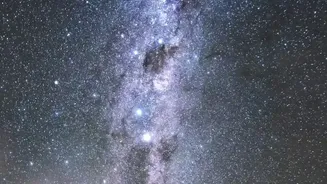
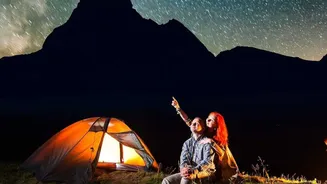
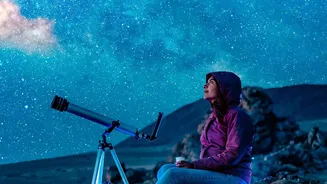
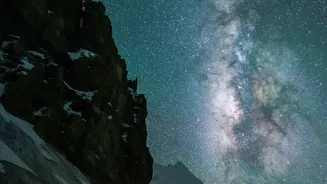
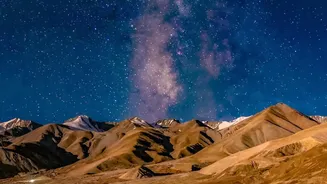
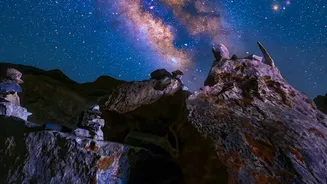
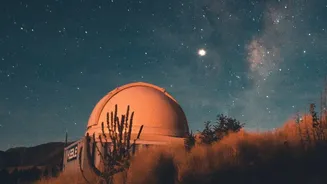
Langza's reputation as a premier stargazing destination is built on a perfect combination of natural factors. Its high altitude means there is less atmosphere for starlight to travel through, resulting in exceptionally sharp and bright celestial views. The region's remote location, far from any urban centers, ensures near-zero light pollution, creating a pitch-black canvas for the stars to shine. The dry, cold desert climate of Spiti Valley contributes to crisp, clear skies, especially outside the monsoon season. On a clear, moonless night, the Milky Way isn't just a faint smudge; it's a brilliant, detailed river of light that can be seen with the naked eye, sometimes bright enough to cast a faint shadow on the ground. This makes it a gold standard for astrophotographers and casual observers alike.
More Than Just a Night Sky
While the nights in Langza are magical, the days offer their own unique adventures. The village is famously known as the "Fossil Village of India" because the surrounding lands are rich with marine fossils and ammonites. These geological treasures are remnants of the ancient Tethys Sea, which existed here millions of years ago, long before the Himalayas were formed. Visitors can often find these fossils embedded in the sedimentary rocks while exploring the area. Beyond fossil hunting, the village offers a deep dive into Tibetan Buddhist culture through its ancient monasteries and the warm hospitality of its residents. Many travelers opt for homestays, providing an authentic opportunity to experience the local way of life.
Planning Your Celestial Escape
Reaching Langza requires careful planning. The village is located about 16 kilometres from Kaza, the main administrative town in Spiti Valley. Travelers can reach Kaza via two primary routes: a longer, more reliable road from Shimla that stays open most of the year, or a more challenging, seasonal route from Manali via the Kunzum Pass, typically open from June to early October. Due to the extreme altitude, acclimatization is crucial. It is highly recommended to spend at least a day or two in Kaza (around 12,500 feet) before ascending to Langza to prevent Acute Mountain Sickness (AMS). The best time for stargazing is generally from May to September, when the weather is pleasant and the skies are clear. Accommodation is primarily in the form of local homestays, which offer a warm bed and home-cooked meals. Be prepared for limited amenities; ATMs are scarce, and mobile connectivity is often restricted to BSNL services.
What to Pack for the High Altitude
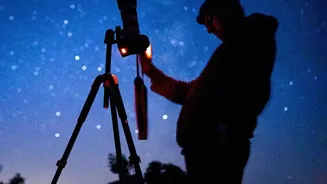
Packing correctly is key to enjoying your trip to Langza. Even in summer, night temperatures can drop close to or below freezing, so layered warm clothing is essential. This includes thermal wear, a heavy jacket, gloves, and a woolly hat. The sun at high altitudes is intense, so high-SPF sunscreen, sunglasses, and a wide-brimmed hat are non-negotiable to protect against sunburn. For photographers, a sturdy tripod is a must for capturing long-exposure shots of the night sky, and a red-light torch is useful for navigating in the dark without ruining your night vision. Finally, carry a basic first-aid kit with any personal medications, as medical facilities are limited.