
The New Face of Festive Feasting
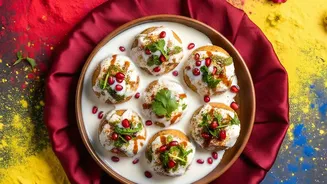
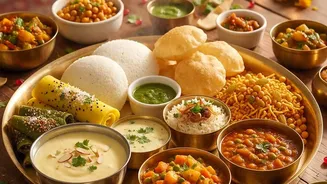
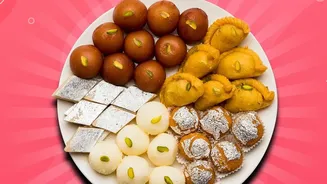
Diwali, Sankranti, and Navratri are times of joyous indulgence, traditionally marked by sweets and savouries made from rice and refined wheat flour. However, a new trend is taking root in modern kitchens: millet-based snacks. Traditional favourites like
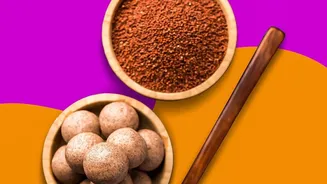
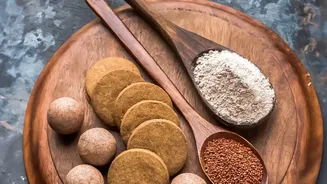
chakli, mathri, and ladoos are being reimagined with flours made from jowar (sorghum), bajra (pearl millet), and ragi (finger millet). This isn't about replacing beloved recipes but enhancing them. Brands and home cooks are creating crunchy millet sev, savoury chivda, and even cookies that offer the same festive satisfaction with a healthier profile, proving that tradition and wellness can share a plate.
A Conscious Return to Our Roots
This trend is more than just a diet fad; it's a cultural homecoming. For thousands of years, millets were a staple food across India, valued for their resilience and nutrition. After the Green Revolution, high-yield wheat and rice varieties pushed these ancient grains to the sidelines. Now, a growing awareness of their benefits, amplified by initiatives like the UN's International Year of Millets in 2023, has sparked a renaissance. Consumers are increasingly seeking authenticity and a connection to their heritage, and these traditional grains offer a direct link to the past, reminding us of a time when food was intrinsically local and seasonal.
The Undeniable Health Halo
The primary driver behind the millet movement is health. Unlike refined flours, which can cause blood sugar spikes, millets are nutritional powerhouses. They are naturally gluten-free, high in dietary fibre, protein, and essential minerals. For instance, ragi is an excellent source of calcium, bajra is rich in iron and magnesium, and jowar is packed with antioxidants. Their low glycemic index helps in managing blood sugar levels, making them a smarter choice, especially during festivals when sweet and fried food consumption is high. This makes millet-based snacks a way to indulge more mindfully, reducing the metabolic load without sacrificing flavour.
From Niche Grain to Mainstream Staple
The journey of millets from being seen as 'coarse grains' to celebrated 'superfoods' has been supported by both government action and market innovation. Following the push from the International Year of Millets, awareness has soared, and availability has improved. Farmers are finding renewed economic incentive to cultivate these climate-resilient crops, which require less water and are better suited to India's diverse agro-climatic zones. Simultaneously, the food industry has responded with creativity, developing a wide array of ready-to-eat millet snacks, flours, and mixes that make it easy for urban consumers to incorporate these grains into their busy lives.
Innovation in the Modern Indian Kitchen
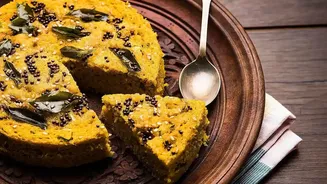
The real magic, however, is happening in everyday kitchens. Home cooks are no longer limiting millets to traditional preparations like bhakri or porridge. They are experimenting with baked ragi chaklis, jowar mathris, and bajra chikkis. The versatility of millet flours allows them to be seamlessly blended into recipes, often retaining the original texture and taste while adding a nutritional boost. This culinary creativity ensures that the trend is not just about restriction but about delicious discovery. It allows families to honour their festive food traditions while adapting them to a healthier, more conscious lifestyle.