







First, What Is This New Fee?
The National Payments Corporation of India (NPCI) has introduced a 0.4% Merchant Discount Rate (MDR) on certain UPI payments. This is a fee paid by merchants to their bank for processing digital transactions. It is not paid by the customer. The rule,
effective October 15, 2026, applies only to person-to-merchant (P2M) payments exceeding ₹2,000. The government has explicitly barred merchants from passing this cost on to consumers. The fee is intended to help fund the operational costs of the UPI network, ensuring its long-term sustainability and security.
Exemption 1: Person-to-Person (P2P) Transfers
The most important exemption for everyday users is that all person-to-person (P2P) transactions remain completely free. This means sending money to friends, family members, or your domestic help will not attract any charges, regardless of the amount. Whether you are splitting a dinner bill, sending a cash gift, or transferring rent money to your flatmate, these transactions are unaffected by the new MDR framework. The fee structure is designed exclusively for business transactions, not personal transfers between individuals.
Exemption 2: All Payments of ₹2,000 or Less
A crucial threshold has been set to protect the vast majority of daily retail transactions. Any payment you make to a merchant that is ₹2,000 or less is completely exempt from the new fee. This ensures that your daily purchases—from groceries and coffee to small household items and quick bites—will continue without any underlying charge for the merchant. NPCI has stated that payments under this threshold constitute over 95% of all UPI merchant transaction volumes, meaning most commercial activity will not be impacted.
Exemption 3: Small and Neighbourhood Shops
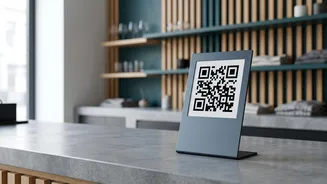
The new framework specifically protects small businesses and local vendors. Merchants who receive up to ₹1 lakh per month through UPI QR codes are exempt from the MDR. This category, often called Person-to-Person-Merchant (P2PM), includes countless street vendors, kirana stores, and other small traders who have become central to the UPI ecosystem. A merchant will only be moved to the chargeable category if their monthly UPI collections exceed the ₹1 lakh limit for three consecutive months, ensuring the exemption is robust for genuinely small operations.
Exemption 4: Essential Services Get a Lower Rate
Rather than the standard 0.4% rate, certain essential service sectors will have a much lower, flat fee of just ₹5 for payments above the ₹2,000 threshold. This special category includes payments for railways, telecom bills, insurance premiums, and fuel. Payments for utilities like electricity and water, as well as educational fees, also fall under this lower, flat-fee structure, preventing high percentage-based charges on critical and high-value payments.
Exemption 5: Automated and Recurring Payments
If you use UPI AutoPay for recurring charges, those transactions are also exempt from the merchant fee. This covers everything from your monthly streaming service subscriptions and society maintenance fees to automated SIP investments set up via your UPI app. The exemption ensures that automated, recurring mandates continue to function smoothly without merchants incurring additional processing costs, encouraging wider adoption of this convenient feature for regular bill payments.