



The Humble Hero: Kantola
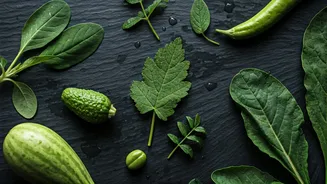
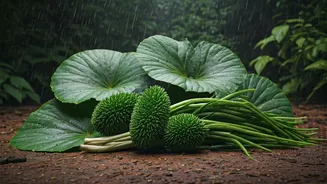
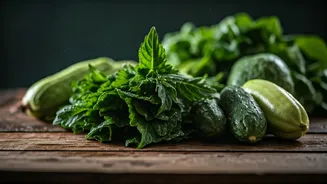
Often called spiny gourd or teasel gourd, kantola (or kakrol in Bengali and kankoda in Gujarati) is one of the most recognizable faces of the monsoon market. This small, green, bumpy vegetable might look intimidating, but it’s a powerhouse of flavour
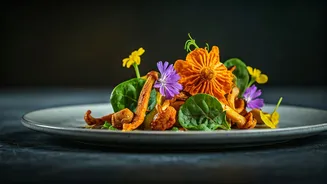
and nutrition. Traditionally, it was the star of simple stir-fries, often cooked with a handful of spices to complement its slightly bitter taste and delightfully crunchy texture. Today, chefs are rediscovering its versatility. You might find it thinly sliced and fried into crisp chips, stuffed with spiced paneer or minced meat, or even incorporated into modern salads. Its revival is a testament to its robust character—it holds its shape well and absorbs flavours beautifully, making it a perfect candidate for both home kitchens and fine-dining experiments.
The Forest's Tricky Treasure: Shevla
For many in Maharashtra, the arrival of shevla, or dragon stalk yam, is the true announcement of the monsoon. These tender, mottled stalks, which sprout from the forest floor, are a celebrated delicacy. Preparing shevla is a labour of love; the stalks contain calcium oxalate crystals, which can cause itching if not prepared correctly. They must be cleaned and boiled with a souring agent like tamarind or kokum before being cooked. The most iconic preparation is a curry made with prawns, a dish that perfectly balances the earthy flavour of the yam with the sweetness of the seafood. Its fleeting availability and the skill required to cook it have elevated shevla from a foraged food to a coveted seasonal ingredient, with urban markets and specialty restaurants eagerly awaiting its brief appearance.
The Elusive Green: Phodshi
Blink and you might miss it. Phodshi is a slender, grass-like wild green that appears for just a few precious weeks during the monsoon. Known as 'the vegetable of a thousand strands,' its delicate flavour is subtle and clean. It’s so delicate, in fact, that it requires minimal intervention. The best way to cook it is a simple bhaji, quickly stir-fried with chopped onion, garlic, and perhaps a green chilli. Overpowering it with spices would be a disservice to its unique taste. This ephemeral green was once a well-kept secret of local communities, but its whisper is now growing louder as people seek out ingredients that are truly seasonal and rooted in a specific time and place.
Earthy Delights: Wild Mushrooms
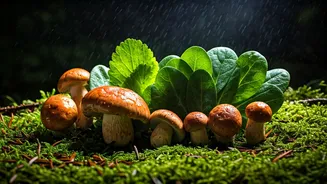
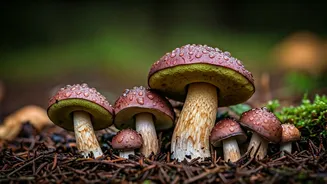
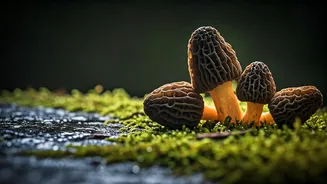
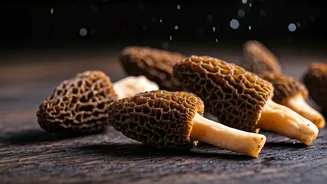
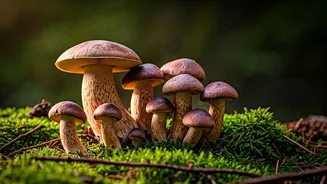
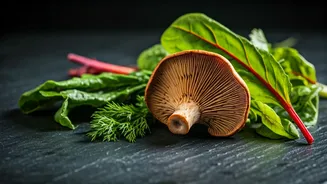
The monsoon transforms the forest floor into a treasure trove of fungi. While the famed guchhi mushrooms of the Himalayas get most of the attention, the monsoon brings its own bounty across the country. In Goa, for instance, the season is marked by the arrival of olmi or alyami, the termite mound mushrooms. These are not cultivated; they grow wild and are foraged by villagers who have an intimate knowledge of the land. They have a dense, meaty texture and a deep, earthy flavour that is unparalleled. Traditionally used in thick, coconut-based curries like xacuti, these wild mushrooms are now finding their way onto menus that celebrate Goan heritage, offering a true taste of the region’s biodiversity.
Why Now? The Revival of Roots
This resurgence isn’t just a random food trend. It’s part of a larger cultural shift. In an era of homogenised, year-round produce from supermarkets, there is a growing hunger for authenticity and connection. Chefs and culinary experts are acting as storytellers, championing hyperlocal ingredients and reviving forgotten recipes. This movement taps into a collective nostalgia while also aligning with modern values of sustainability and eating locally. Consumers are becoming more adventurous, eager to understand where their food comes from and to experience flavours that are tied to a specific season and ecosystem. These wild foods are not just ingredients; they are edible narratives of a region’s climate, biodiversity, and culinary wisdom.