


The Smoke Point Showdown
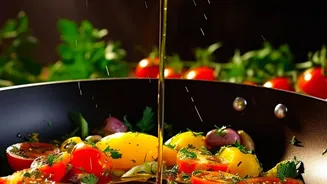
A key reason for the switch is performance under pressure, specifically, high-heat cooking. Every oil has a 'smoke point', the temperature at which it begins to break down and burn. When an oil passes this point, it not only creates a terrible taste but
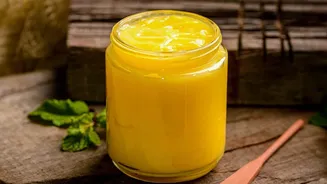
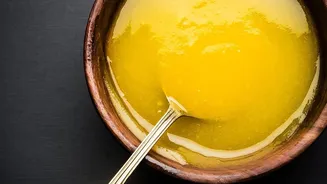
can also release harmful compounds. Ghee boasts a very high smoke point of around 250°C, making it extremely stable for Indian cooking techniques like tadka, searing, and frying. In contrast, while some refined seed oils have high smoke points on paper, they can degrade more quickly under heat.
A Closer Look at Seed Oils
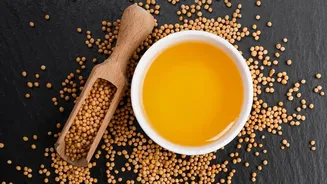
For decades, seed oils like sunflower, soybean, and canola were marketed as modern, 'heart-healthy' alternatives. However, a growing wellness conversation is questioning that narrative. The concern centers on two main areas: industrial processing and fatty acid composition. Many common seed oils are extracted using chemical solvents and high heat, which can strip them of nutrients. Furthermore, they are often very high in omega-6 polyunsaturated fatty acids. While some omega-6 is necessary, modern diets tend to have a skewed ratio with too little omega-3, a situation linked to chronic inflammation.
Ghee's Golden Comeback
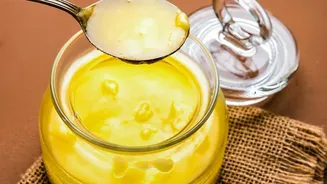
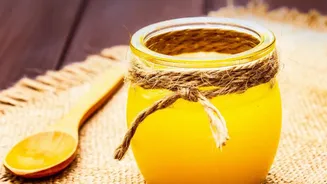
The return to ghee is part of a larger trend of embracing traditional wisdom for modern wellness. Long revered in Ayurveda, ghee is seen as more than just a fat; it's a nourishing food. It is a rich source of fat-soluble vitamins like A, D, E, and K. Ghee also contains butyric acid, a short-chain fatty acid that is believed to support gut health and have anti-inflammatory properties. As it is clarified butter with the milk solids removed, it is also virtually lactose-free, making it suitable for many with dairy sensitivities.
A Modern Twist on Tradition
Today's urban home chef isn't just using plain ghee; they're embracing infused varieties. This is where tradition meets modern convenience and gourmet flavour. Manufacturers and home cooks are infusing ghee with ingredients like garlic, rosemary, chilli, and traditional Indian spices. This innovation serves a dual purpose: it packs a flavour punch, simplifying the cooking process, and it combines the benefits of ghee with the properties of the infused herbs. Ghee acts as an excellent carrier for the active components in herbs and spices, potentially enhancing their absorption by the body.
Flavour, Tradition, and Identity
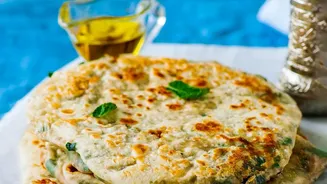
Beyond the science, the shift is also deeply cultural. For many, the rich, nutty aroma of ghee is the smell of home-cooked food, festivals, and comfort. It adds a depth of flavour to dishes from dal tadka to biryanis that neutral-tasting refined oils simply cannot replicate. In a world of processed foods, the movement towards ghee is a conscious choice to connect with culinary roots and a more authentic way of eating. It represents a return to an ingredient that has nourished generations, now re-imagined for the contemporary Indian kitchen.