




Step 1: Create a Separate Safe Haven
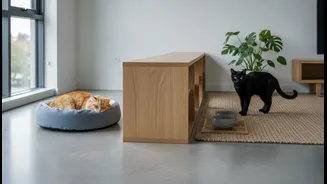
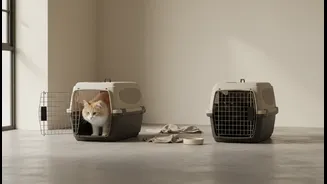
Before your new cat even arrives, prepare a dedicated “safe room.” This should be a separate space like a spare bedroom or office where the new cat can decompress for the first several days or even weeks. This room should be equipped with its own litter
box, food and water bowls, bedding, and toys. When you bring the new cat home, take them directly to this room without any interaction with your resident cat. This initial separation is crucial, as it allows the newcomer to adjust to the general sounds and smells of the house from a secure space, and prevents immediate territorial disputes.
Step 2: Let Their Noses Do the Talking
Cats learn about each other primarily through their sense of smell. After a few days of separation, begin the introduction process with scent swapping. Take a blanket or soft cloth that your new cat has slept on and place it in your resident cat's space. Do the same with an item from your resident cat and give it to the new one. This allows them to investigate each other's scent in a non-threatening way. You can also gently rub each cat with a separate clean sock and then present the sock to the other cat, followed by a tasty treat to build a positive association. Monitor their reactions; if they hiss or seem stressed, just leave the item for them to get used to.
Step 3: Associate Presence with Positivity
Once both cats are calm about each other's scent, it's time to create positive associations with their presence. Begin feeding them on opposite sides of the closed door to the safe room. This helps them connect the other cat’s nearby presence with something they enjoy: food. If either cat is too stressed to eat, move the bowls further away from the door and gradually bring them closer over several days. You can also engage in separate play sessions near the door, encouraging them to bat at toys underneath it. This stage is all about proving that good things happen when the other cat is near.
Step 4: The First Glimpse
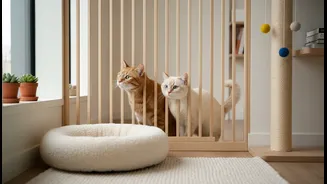
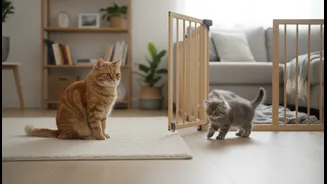
When both cats are eating and playing calmly on either side of the door, you can proceed to a visual introduction. Do not simply open the door. Instead, use two baby gates stacked in the doorway or crack the door just enough for them to see but not touch each other. Keep these first visual meetings very short—just a few minutes—and make them positive by offering high-value treats or engaging in play. The goal is for them to see each other without feeling threatened. If there's hissing or growling, calmly end the session and try again later for a shorter duration. Don't force it.
Step 5: Supervised, Short Interactions
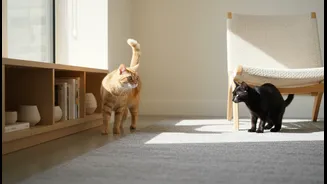
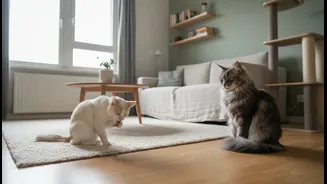
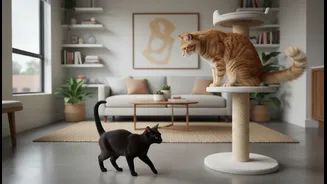
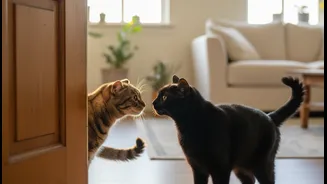
After several successful visual meetings, you can allow the first face-to-face interaction in a neutral territory, if possible. Open the door and let the cats decide if they want to explore. Never force one cat toward the other. Keep these initial sessions short, around 10-15 minutes, and always supervised. Use toys to distract and redirect their attention if you sense tension. A fight can set the process back weeks, so it's better to end the session on a positive note before things escalate. If a fight does break out, make a loud noise or place a large piece of cardboard between them to separate them safely. Then, go back to the previous step for a while.