





1. The Gourd Gang: Lauki, Karela, and Tori
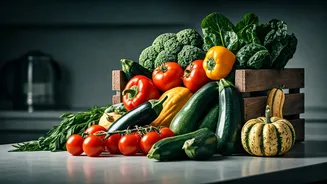
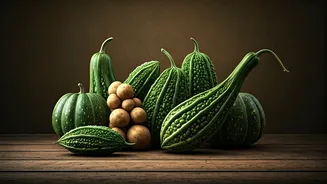
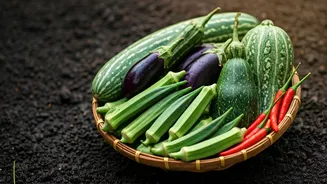
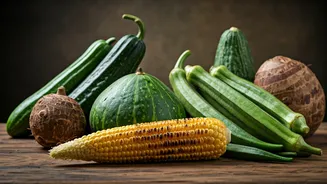
The family of gourds truly shines during the rainy season. Vegetables like bottle gourd (lauki), bitter gourd (karela), and ridge gourd (tori) are lightweight, easy to digest, and packed with essential nutrients. According to traditional Ayurvedic wisdom,
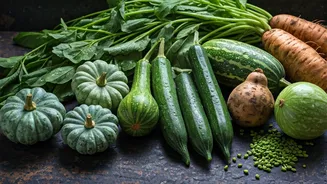
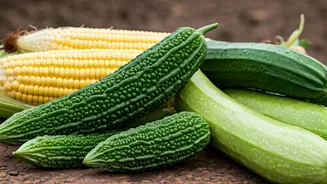
the monsoon can weaken our digestive fire (agni), making heavy foods difficult to process. Gourds, with their high water and fibre content, are the perfect antidote. Lauki is incredibly hydrating and cooling, often recommended in simple curries or as koftas. Karela, despite its bitterness, is a powerhouse for boosting immunity and managing blood sugar levels—both crucial when the body is more susceptible to infections. Tori, with its delicate sweetness, is great for skin health and acts as a blood purifier. A simple stir-fry or a light dalma featuring these gourds is a classic monsoon comfort meal.
2. The Iconic Bhutta (Corn on the Cob)
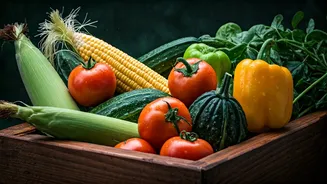
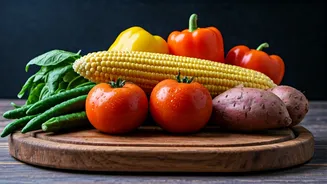
Is it even monsoon without bhutta? The sight of a street-side vendor expertly roasting corn on a coal fire, rubbing it down with salt, chilli, and a squeeze of lime, is a core memory for most Indians. Corn is more than just a nostalgic snack; it's a fantastic source of fibre, which aids digestion, and is rich in antioxidants. Whether you prefer it roasted on the cob, boiled with a knob of butter, or as kernels in a savoury chaat, bhutta provides that perfect combination of smoky, sweet, and tangy flavours that our taste buds crave on a rainy day. It's a low-fat, high-energy snack that feels both indulgent and wholesome.
3. Pointed Gourd (Parwal)
Often overlooked, the humble parwal (pointed gourd) is a nutritional hero during the monsoon. It's one of the few vegetables that remains consistently available and fresh during this season. Rich in vitamins A and C, parwal is excellent for bolstering the immune system and helping the body fight off common colds, coughs, and fevers that are rampant during the rains. Its seeds and flesh are packed with fibre, which helps keep the gut healthy. From the simple Bhaja in Bengal to stuffed versions in North India, parwal is incredibly versatile. Its mild flavour allows it to absorb the spices of any dish, making it a reliable and healthy addition to your seasonal plate.
4. Root Vegetables: Sweet Potato and Yam
As the weather cools, our bodies naturally crave earthy, warming foods. Root vegetables like sweet potato (shakarkandi) and yam (suran or jimikand) fit the bill perfectly. These vegetables are complex carbohydrates, providing sustained energy without spiking blood sugar. They are also rich in fibre, Vitamin C, and beta-carotene, which is a powerful antioxidant. Roasting shakarkandi and eating it with a sprinkle of chaat masala is a timeless delight. Yams are often used in rich, spicy curries that are perfect for a gloomy, overcast day. They provide a sense of grounding and comfort, making them an essential part of the monsoon diet.
5. A Word of Caution on Leafy Greens
While we love our leafy greens, the monsoon is a time to be cautious. The high humidity and moisture create a breeding ground for germs and bacteria on the leaves of vegetables like spinach (palak) and fenugreek (methi). The mud and grime that splash onto them can be difficult to wash off completely, increasing the risk of stomach infections. Traditional wisdom suggests either avoiding them or being extremely thorough with cleaning. If you must have them, wash them in a solution of warm water with salt or vinegar, and ensure they are cooked thoroughly to kill any lingering pathogens. It's often better to stick to the gourds and other seasonal produce that are considered safer during this time.