







Shift Your Mindset and Start Small
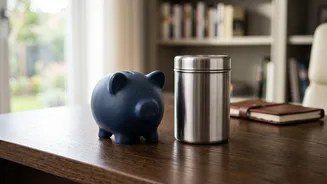
The biggest hurdle is often psychological. Instead of aiming for the standard three to six months of living expenses right away, start with a much smaller, more achievable goal. Your first target could be as simple as ₹5,000 or even ₹1,000. The point
is to make the goal feel doable, not overwhelming. Achieving this first 'small win' provides the motivation to keep going. It transforms saving from a stressful chore into a repeatable habit, proving to yourself that you can do it.
Pay Yourself First, Automatically
One of the most effective strategies is to treat your savings like a mandatory bill. The best way to do this is to 'pay yourself first'. Don't wait to see what's left at the end of the month; set money aside as soon as you get paid. The easiest way to ensure this happens is through automation. You can set up a recurring transfer from your primary account to a separate savings account each payday. Even a small amount, like ₹100 or ₹500 per week, builds up significantly over time because the process is consistent and requires no ongoing effort.
Leverage Technology to Save the Change
Modern banking apps and fintech platforms offer powerful tools for micro-saving. One popular method is the 'round-up' feature. When you make a purchase with your debit card or through UPI, the app rounds the amount up to the nearest ten or hundred rupees and automatically transfers the difference into your savings. A coffee for ₹183 could become a ₹7 savings deposit. This method allows you to save passively throughout the day without feeling the pinch of a larger, lump-sum transfer.
Identify and Redirect 'Money Leaks'
Take a close look at your daily and weekly spending to find small, non-essential expenses, often called 'money leaks'. This could be the daily cup of tea from a cafe, a subscription you no longer use, or frequent online food orders. You don't have to eliminate these things entirely, but even cutting back can free up cash. Try a 'no-spend challenge' one day a week or commit to bringing your lunch to work twice a week. Redirecting the money you would have spent—even if it's just ₹50 or ₹100 at a time—directly into your emergency fund makes the saving process more tangible.
Choose the Right Home for Your Fund
Where you keep your emergency savings matters. It should be separate from your daily transaction account to reduce the temptation to spend it. A high-yield savings account is an excellent choice. These accounts, often offered by small finance banks and digital banks in India, provide higher interest rates than traditional savings accounts, sometimes up to 5-7% per annum. This allows your money to grow faster while remaining liquid and accessible for true emergencies. Ensure the bank is regulated by the RBI and your deposits are insured by the DICGC, which secures up to ₹5 lakh per depositor.
Stay Motivated by Tracking Progress
Seeing how far you've come is a powerful motivator. Celebrate milestones along your savings journey. When you reach your first ₹5,000, take a moment to acknowledge the achievement. This positive reinforcement helps solidify your new saving habit. You can use a simple app or a notebook to track your growth. Watching the balance increase, even by small daily amounts, provides a sense of accomplishment and control over your financial future, encouraging you to continue toward your larger goal.