


The Next Leap for Electric Power
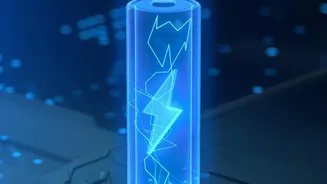
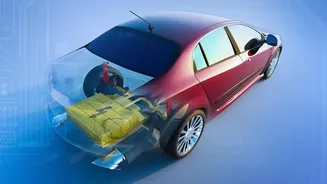
For years, solid-state batteries have been the holy grail of the electronics and automotive industries. Unlike today's dominant lithium-ion batteries, which use a liquid electrolyte to move energy around, solid-state batteries use a thin layer of solid material.
This single change unlocks a trio of game-changing benefits. First is energy density. Solid-state cells can theoretically store almost double the energy in the same amount of space, which could mean electric cars with over 1,000 kilometres of range or much lighter and smaller battery packs. Second is charging speed. Developers are targeting a 10-minute charge to get from nearly empty to 80 percent, eliminating the long waits that deter many potential EV buyers. Finally, there is safety. By replacing the flammable liquid electrolyte, the risk of battery fires is dramatically reduced.
The Manufacturing Challenge
If solid-state batteries are so superior, why aren't they in every car and phone already? The answer lies in manufacturing. Making these batteries work in a lab is one thing; producing them reliably, affordably, and at a massive scale has proven extraordinarily difficult. The solid electrolyte material can be incredibly thin—sometimes just 20 microns—and any imperfections can lead to problems like dendrite growth, where tiny, needle-like structures form and cause short circuits. Furthermore, ensuring a perfect, durable connection between the solid electrolyte and the electrodes during the constant expansion and contraction of charging has been a major engineering hurdle. The cost of the specialised materials has also been a significant barrier to commercial viability.
What's New In Japan
This is where the latest news from Japan becomes so significant. Rather than a single breakthrough, several key players have recently achieved major production-focused milestones. Toyota, which holds more solid-state patents than any other company, has deepened its partnership with Japanese energy firm Idemitsu Kosan. Together, they are building a large-scale pilot plant for solid electrolytes, the core component of the battery, which is scheduled to be completed by the end of 2027. Their goal is to have the first EVs with these batteries on the market in the 2027-2028 timeframe. Meanwhile, rival automaker Honda has already turned on the machines. In early 2025, it began operating a demonstration production line for solid-state batteries at its research facility in Sakura, becoming one of the first to move from promise to pilot production. Adding to the momentum, Panasonic recently announced it has developed a solid-state battery that can withstand extreme temperatures, with samples shipping to industrial clients later this year.
The Companies Leading the Charge
This push is not happening in a vacuum. It is the result of focused collaboration and significant government support. The partnership between Toyota and Idemitsu Kosan is a prime example, combining Toyota's battery assembly expertise with Idemitsu's decades of work in developing a unique, flexible, and crack-resistant solid sulfide electrolyte. The Japanese government is treating this as a national industrial priority, aiming to reclaim market dominance in battery technology. It has approved subsidies worth around $660 million for several projects across the supply chain, from materials development to battery production, with the goal of full-scale commercialization around 2030. While Toyota and Honda are focused on EVs, Panasonic is initially targeting its high-temperature batteries for industrial and medical equipment, demonstrating the technology's versatility.
Impact on the Indian Market
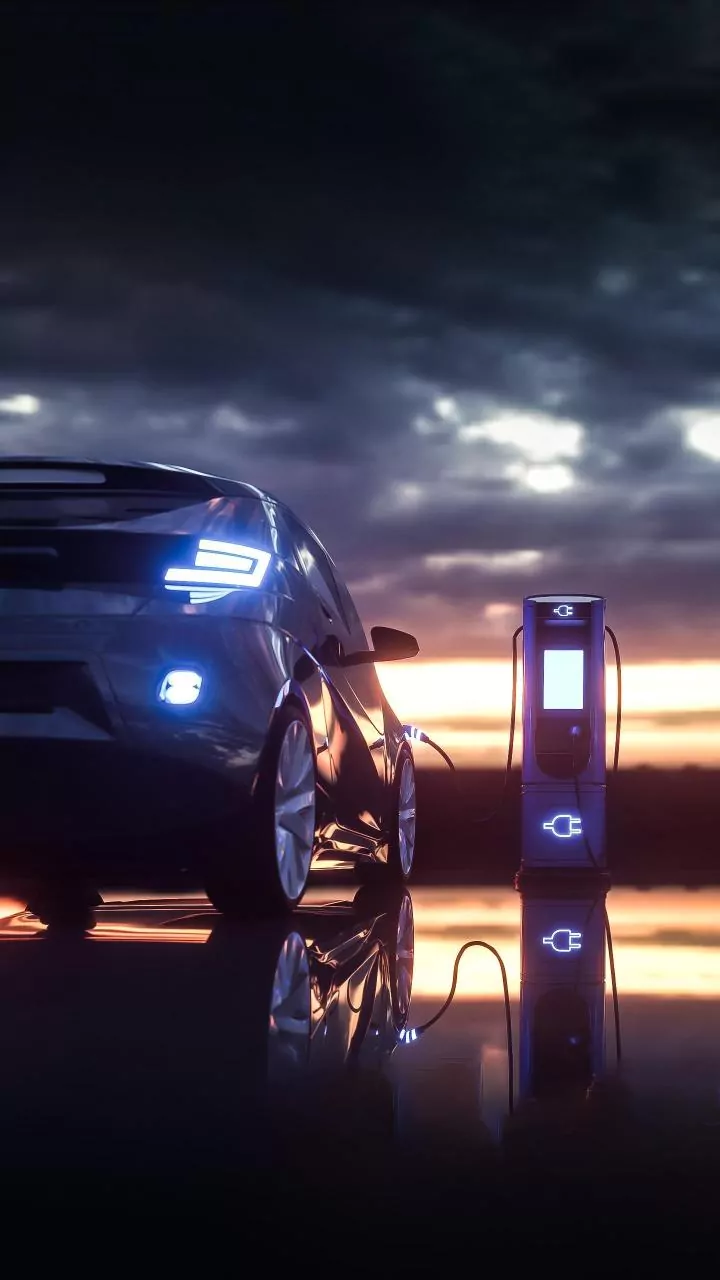
For India, which is in the midst of its own electric vehicle transition, these developments are critical. The promise of longer range, faster charging, and improved safety directly addresses the biggest concerns for Indian consumers. A battery that could offer over 1,000 kilometres of range would eliminate range anxiety, even on long highway journeys. The ability to charge in 10 minutes could make EV ownership practical for those without access to overnight home charging. While the first solid-state batteries will appear in high-end luxury models around 2027-28, the technology will eventually trickle down. As Japanese and other global manufacturers scale up production toward 2030, costs are expected to fall, making these advanced EVs more accessible. This could accelerate EV adoption in India and put pressure on domestic and other international manufacturers to keep pace with the next generation of battery technology.