


Why Pre-Trip Checks Are Non-Negotiable
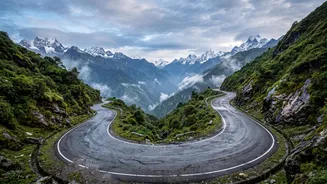
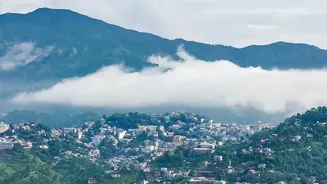
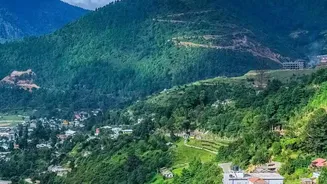
Sikkim’s mountainous terrain makes it prone to sudden changes. The monsoon (July-September) brings heavy rain that can cause landslides, blocking key routes like NH10, the state's main artery. In winter (December-February), heavy snowfall can shut down
high-altitude passes like Nathu La and access to North Sikkim. Even in the best seasons—spring (March-May) and autumn (October-November)—a sudden downpour can affect travel. Checking conditions isn't just about convenience; it’s about safety. Always build buffer days into your itinerary for potential delays. A quick check can be the difference between a dream holiday and being stranded.
How to Check Road and Weather Status
Before and during your trip, staying informed is key. The Sikkim government’s Roads & Bridges Department website sometimes posts updates, though they can be technical. A more reliable method is to maintain constant communication with your local contacts. Your hotelier or, more importantly, your registered tour operator and driver, will have the most current, on-the-ground information. They get real-time updates from other drivers about closures or new routes. For weather, standard weather apps are useful for Gangtok, but for high-altitude areas, local knowledge from your guide is more accurate. Social media groups can also provide recent traveller updates, but always verify with an official source.
A Sample 6-Day Sikkim Itinerary
This itinerary focuses on East and North Sikkim, home to some of its most iconic sights. It assumes travel during the peak seasons and requires permits, which must be arranged by a registered Sikkim tour operator. Remember to carry multiple passport-sized photos and copies of your government ID (Voter ID or Driving Licence are preferred over Aadhaar for permits).
Day 1: Arrival and Acclimatisation in Gangtok
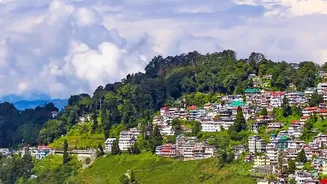
Your journey begins at Bagdogra Airport (IXB) or New Jalpaiguri Railway Station (NJP). The drive to Gangtok, Sikkim’s capital, takes about four to five hours. Use this day to acclimatise to the altitude (around 1,650m). Stroll down the vehicle-free MG Marg, a clean and vibrant street perfect for a relaxed evening. This is also the day your tour operator will be finalising permits for the following days, so ensure all your documents are in order. Avoid heavy activity and alcohol to help your body adjust.
Day 2: Excursion to Tsomgo Lake and Baba Mandir
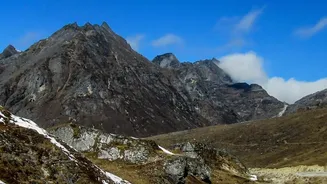
Today's trip takes you to the high-altitude glacial Tsomgo Lake (Changu Lake) and the Baba Mandir shrine, a journey of about three hours from Gangtok. This route requires a Protected Area Permit (PAP). The road is steep and weather-sensitive. If you are an Indian citizen, you may also be able to visit Nathu La Pass, the border with China, which requires an additional special permit and is closed on certain days. Foreign nationals are only permitted up to Tsomgo Lake. The pass is often closed by snow in winter, so check the status with your driver before starting.
Day 3 & 4: The Drive to North Sikkim and Yumthang Valley
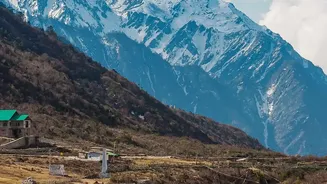
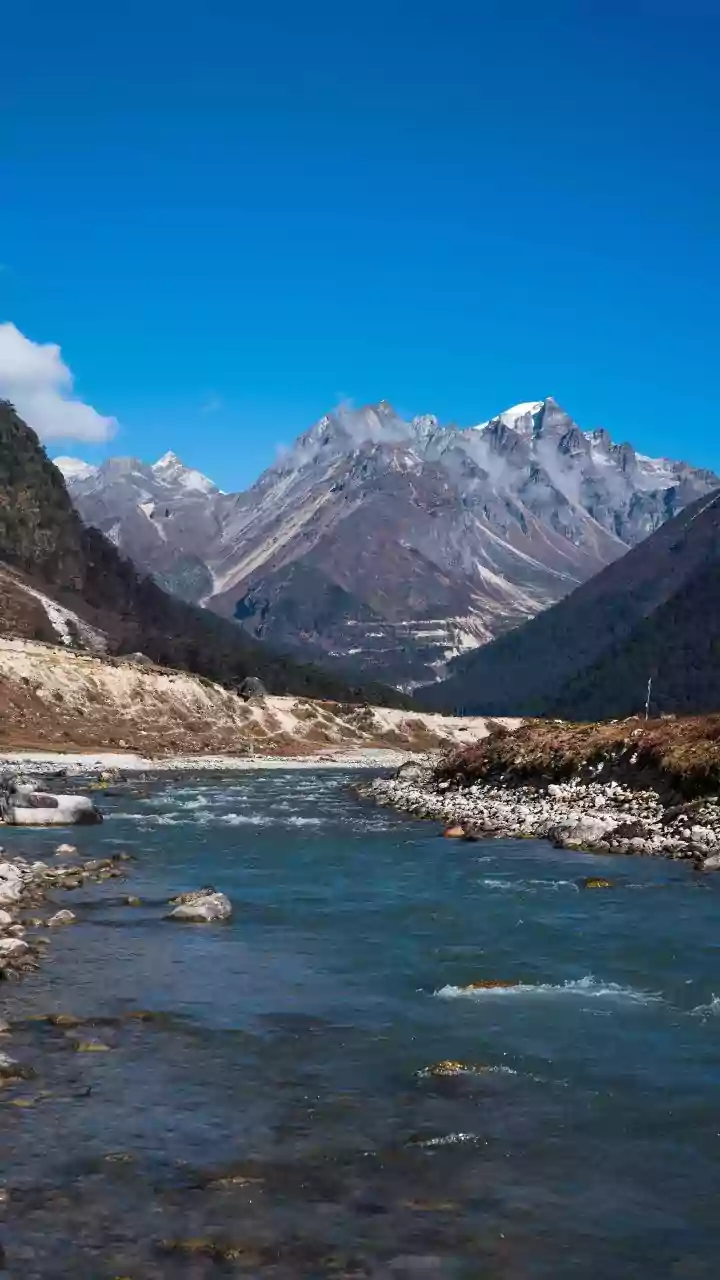
The next two days are dedicated to North Sikkim. The drive from Gangtok to Lachen or Lachung, the base towns for North Sikkim, is long (5-6 hours) and on roads that are particularly vulnerable to weather. Day 3 is the journey there. A PAP is mandatory for this entire region and must be arranged in advance. On Day 4, you'll visit the stunning Yumthang Valley, known as the 'Valley of Flowers' in spring. Depending on road conditions and permits, you might also be able to go to Zero Point (Yumesamdong), which often has snow. This leg of the trip is the most likely to be affected by road closures, so flexibility is crucial.
Day 5 & 6: Return to Gangtok and Departure
Day 5 involves the long drive back from Lachung/Lachen to Gangtok. Start early to account for any potential road issues. Once back in Gangtok, you can spend the evening souvenir shopping or resting. On Day 6, after breakfast, you'll undertake the four-to-five-hour drive back to NJP or Bagdogra for your train or flight home. It's wise to leave a significant buffer time for this final leg, as landslides on NH10 can cause unexpected delays. Don’t book a flight or train that departs too early.