





What Is B12 and Why Does It Matter?
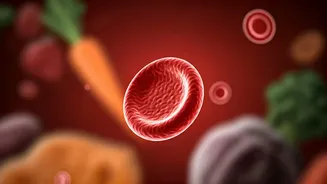
Vitamin B12, also known as cobalamin, is a powerhouse nutrient essential for several critical bodily functions. It plays a key role in forming healthy red blood cells, which carry oxygen throughout your body, and in creating DNA, the genetic material
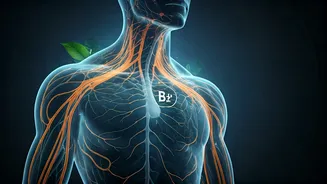
in all your cells. Perhaps its most vital job is maintaining the health of your nervous system. B12 is necessary for the development and function of brain and nerve cells, helping to produce the protective sheath, called myelin, that shields nerves and helps them transmit signals effectively. Without enough B12, you can face a range of issues, from anaemia, which causes fatigue and weakness, to serious and potentially irreversible neurological problems. The body can store B12 for several years, so symptoms of a deficiency can be slow to appear, creeping in over time.
The Plant-Based Problem
The fundamental challenge for vegetarians and vegans is that Vitamin B12 is almost exclusively found in animal-derived products. Foods like meat, fish, poultry, and eggs are primary sources. While lacto-vegetarians can get some B12 from dairy products like milk, yogurt, and cheese, the amount can be insufficient. Studies show that the B12 in dairy is more easily absorbed by the body than from other animal sources, but common practices in India, like boiling milk, can reduce its B12 content. For vegans, who abstain from all animal products including dairy and eggs, the risk of deficiency is significantly higher as plant foods do not naturally contain B12. This makes reliance on fortified foods or supplements not just a good idea, but a necessity to avoid a shortfall.
Why Young Adults Are at Risk
While B12 deficiency is often associated with older adults due to decreased stomach acid affecting absorption, young people on plant-based diets face their own unique set of risks. Firstly, the increasing popularity of vegetarian and vegan lifestyles means more young people are cutting out primary B12 sources. India has one of the world's largest vegetarian populations, and studies show a high prevalence of B12 deficiency, with some estimates suggesting up to 80% of vegetarians may have inadequate levels. Unlike older adults who might have built up B12 stores over decades of eating animal products, a young person adopting a strict vegetarian or vegan diet may deplete their reserves more quickly. One study focusing on young, healthy Indian vegetarians found that half were B12 deficient. This sub-clinical deficiency often goes unnoticed as the symptoms can be subtle at first, like mild fatigue or trouble concentrating, which are easily blamed on stress or a busy lifestyle.
Spotting the Signs of a Shortfall
Because the body has B12 reserves, a deficiency develops slowly, but its symptoms can become serious. Initial signs are often vague and can include fatigue, weakness, a sore tongue, mouth ulcers, or pale skin. As the deficiency progresses, neurological symptoms may appear. These can include a tingling sensation or numbness in the hands and feet, problems with balance and walking, vision issues, memory loss, and confusion. Psychological changes, such as irritability or depression, can also occur. Since many of these signs can be attributed to other causes, and because neurological symptoms can become irreversible if left untreated, it's important for those on plant-based diets to be proactive rather than waiting for symptoms to appear.
Bridging the B12 Gap
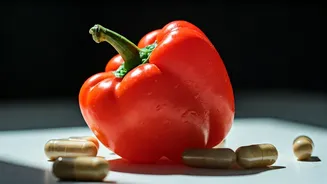
The good news is that preventing B12 deficiency on a vegetarian or vegan diet is straightforward with a little planning. For lacto-ovo-vegetarians, regularly including dairy products and eggs is a good start. One cup of low-fat milk can provide over half the daily recommended amount, while one egg offers about 19%. However, for both vegetarians and vegans, fortified foods are a reliable option. Many breakfast cereals, plant-based milks (like soy or almond), and meat substitutes are now fortified with B12. Another excellent source is nutritional yeast, which has a cheesy, nutty flavour and can be sprinkled on everything from popcorn to curries. Just a quarter cup of fortified nutritional yeast can provide more than the daily requirement. For many, especially vegans, a daily B12 supplement is the simplest and most effective way to ensure adequate intake and maintain healthy levels.