


Why Good Drainage is Non-Negotiable
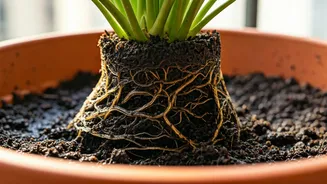
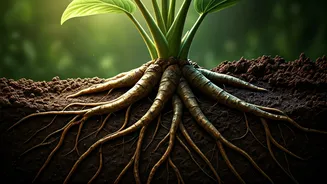
We often worry about our plants drying out, but the opposite problem is just as deadly. When soil is constantly waterlogged, there are no air pockets left. Plant roots, just like us, need to breathe. Without access to oxygen, they suffocate and begin
to rot. This condition, known as root rot, is a fungal disease that rapidly spreads through the root system, cutting off the plant's ability to absorb nutrients and water. Ironically, a drowning plant often looks wilted and thirsty because its damaged roots can no longer function. Proper drainage isn't just a suggestion; it's the foundation of successful container gardening, ensuring that excess water always has an escape route.
The Golden Rule: Every Pot Needs a Hole
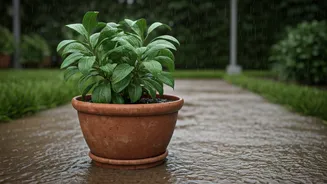
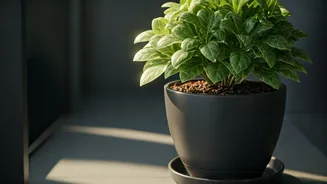
This is the most critical and simplest rule to follow. Every single container you use for planting must have drainage holes at the bottom. No exceptions. Those beautiful ceramic pots without holes are designed to be decorative cachepots—you’re meant to place a plain plastic pot with drainage holes inside them. If you’ve fallen in love with a pot that has a solid bottom, you must add holes yourself. Using a drill with a masonry or ceramic bit (depending on the material), you can carefully create several openings. Without these escape hatches, water pools at the bottom, creating a swampy, toxic environment for your plant's roots, no matter how carefully you water.
Debunking the Gravel Myth
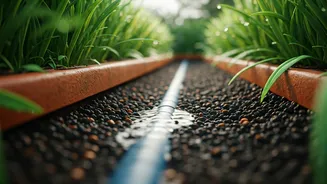
For decades, gardeners were told to add a layer of gravel, stones, or broken pottery to the bottom of pots to 'improve drainage'. This is one of the most persistent and damaging gardening myths. In reality, it does the opposite. This layer creates what scientists call a 'perched water table'. Water does not move easily from a fine-textured material (like soil) to a coarse-textured one (like gravel). Instead, the soil must become completely saturated with water before gravity can pull it down into the gravel layer. This means the bottom of your soil stays much wetter than it would without the gravel, effectively raising the 'drowning zone' closer to your plant's main root ball. Skip the gravel and fill your pot with a quality potting mix from top to bottom.
Choose the Right Container Material
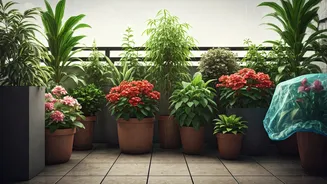
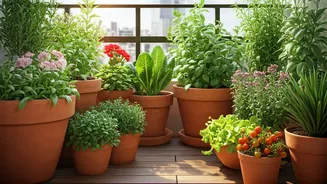
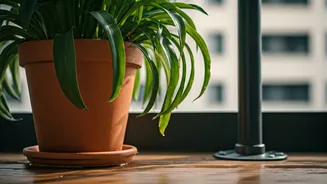
The type of pot you choose also plays a role in moisture management. Terracotta (unglazed clay) is porous, meaning it breathes. Water evaporates through its walls, which helps the soil dry out more quickly. This makes it an excellent choice for plants that are prone to root rot, like succulents, or for gardeners who tend to overwater. On the other hand, plastic, glazed ceramic, or metal pots are non-porous. They hold moisture for much longer. These are suitable for thirsty plants or for use in very hot, windy conditions where terracotta might dry out too fast. Understanding this difference helps you match your pot to your plant and your watering style.
The Perfect Potting Mix
Garden soil is too heavy and dense for containers. It compacts easily, squeezing out air and holding far too much water. Always use a high-quality potting mix designed for containers. These mixes are a carefully balanced blend of ingredients like peat moss or coco coir (for moisture retention), perlite or vermiculite (for aeration and drainage), and compost (for nutrients). This lightweight, fluffy structure allows water to flow through freely while retaining enough moisture and air for healthy root growth. For plants that need extra sharp drainage, like cacti or lavender, you can amend the mix further by adding more perlite or coarse sand.
Smart Watering and Saucers
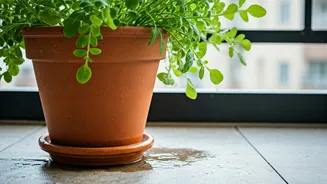
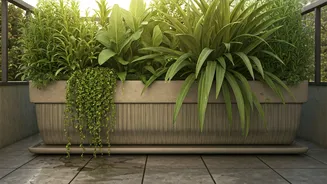
Finally, adjust your watering habits. Instead of watering on a rigid schedule, check the soil first. Stick your finger about an inch or two into the soil; if it feels dry, it's time to water. When you do water, do so thoroughly until you see it running out of the drainage holes. This ensures the entire root ball is hydrated. If you use saucers to protect your balcony floor, make sure to empty them about 15-20 minutes after watering. Letting a pot sit in a saucer full of water completely defeats the purpose of drainage holes, allowing the soil to reabsorb the excess and become waterlogged.