




What Are Ultra-Processed Foods?
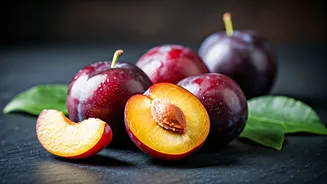
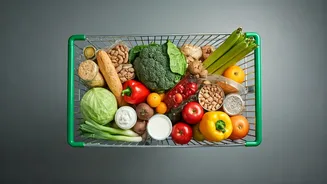
It’s a term that can be confusing, as almost all food is processed in some way. Unprocessed or minimally processed foods are things in their natural state, like fresh fruits, vegetables, dal, or eggs. Processed foods have been altered by adding ingredients
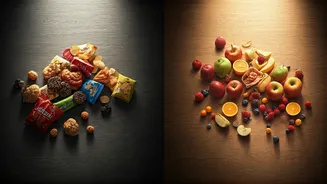
like salt, sugar, or oil, such as canned fish or freshly baked bread. Ultra-processed foods (UPFs) are a step beyond. These are industrial formulations made with substances you wouldn't typically use in a home kitchen. Think of ingredients like high-fructose corn syrup, hydrogenated oils, protein isolates, and a host of additives like artificial colours, flavours, and emulsifiers designed to make the final product hyper-palatable and have a long shelf-life. Common examples include instant noodles, packaged sweet biscuits, sugary breakfast cereals, ready-to-eat meals, and most packaged snacks and sodas.
Why Is Everyone Talking About Them?
The growing conversation around UPFs is tied to a large body of research linking their high consumption to negative health outcomes. Studies have associated diets heavy in UPFs with a higher risk of obesity, type 2 diabetes, heart disease, and other chronic conditions. These foods are often high in added sugar, unhealthy fats, and salt, while being low in essential nutrients like fibre and vitamins. Their industrial structure and high palatability can also lead people to eat them faster and consume more calories than they would with whole foods, potentially contributing to weight gain over time. In India, the rapid increase in the availability and consumption of UPFs, from packaged namkeens to instant curries, has coincided with a rising burden of lifestyle diseases, making this a critical public health topic.
How to Spot UPFs in the Supermarket
Becoming a UPF detective isn't about memorising every chemical name. It’s about learning to read the signs. First, check the ingredient list. A long list with five or more ingredients is a common red flag. Second, look for names you don't recognise from a kitchen pantry. If you see terms like maltodextrin, soy lecithin, high-fructose corn syrup, hydrogenated oils, or various gums and artificial colours (like Red 40), the product is likely ultra-processed. Health claims on the front of the package, such as "low-fat," "fortified with vitamins," or "sugar-free," can sometimes be used to mask an otherwise ultra-processed product. A simple rule of thumb is to ask: Does this food look like it came from nature? An apple looks like an apple, but a brightly coloured, character-shaped cereal does not.
Simple Swaps for Your Grocery Cart
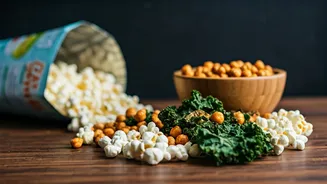
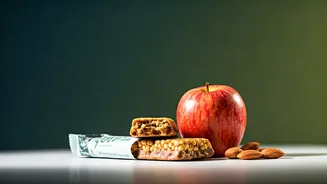
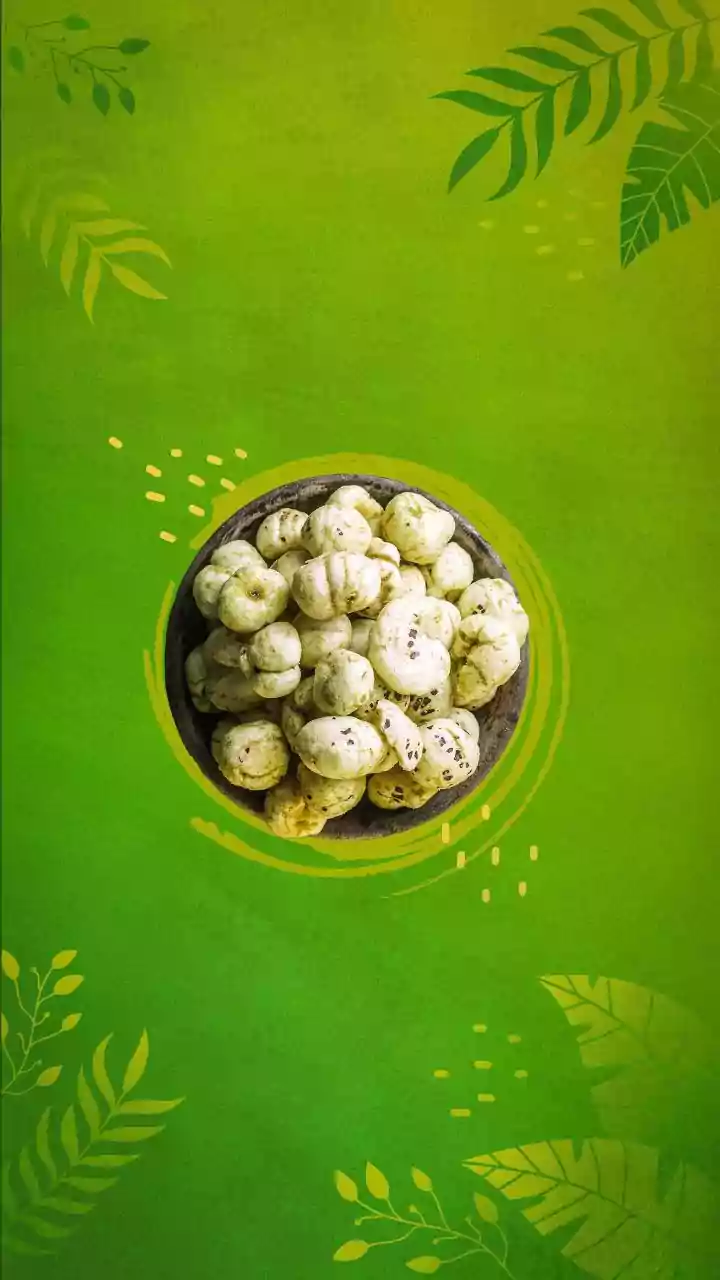
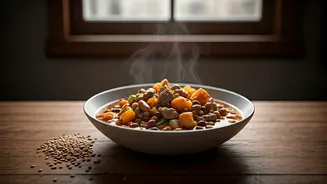
Reducing UPFs doesn't mean you have to make everything from scratch or give up convenience entirely. It’s about making smarter, gradual swaps. Instead of buying flavoured yogurts loaded with sugar and additives, choose plain yogurt and add your own fresh fruit and a drizzle of honey. Swap sugary breakfast cereals for plain oatmeal, poha, or upma, which you can flavour yourself. Instead of reaching for a packet of instant soup, consider making a simple lentil or vegetable soup at home. For snacks, trade packaged biscuits and chips for roasted chana, a handful of nuts, or makhana (fox nuts). Instead of bottled salad dressings, which can be high in sugar and preservatives, try a simple homemade vinaigrette with olive oil, lemon juice, and herbs. These small changes can significantly reduce the UPF load in your diet.