






The Engine Room of Instant Delivery
First, let's clarify what a 'dark store' is. It’s not a store that’s poorly lit; it’s a retail location that is not open to the public. Think of it as a mini-warehouse or a micro-fulfillment center, strategically placed in a dense residential neighbourhood.
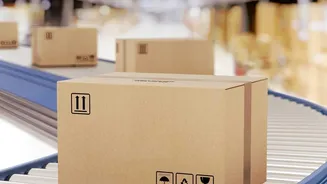
Its sole purpose is to serve online orders. Inside, workers—often called pickers and packers—race against the clock to assemble grocery and essential orders. Once an order is packed, it’s handed over to a delivery rider waiting outside. This model eliminates the time a rider would otherwise waste waiting at a restaurant or a traditional supermarket, making sub-15-minute deliveries possible. This operational efficiency is the core of the quick commerce promise made by companies like Blinkit, Zepto, and Swiggy Instamart.
Why the Focus on Tier 2 Cities?
For years, the quick commerce battle was fought almost exclusively in India's Tier 1 metros. But with those markets becoming saturated and intensely competitive, companies are now looking at Tier 2 cities as the next frontier for growth. Staffing firms estimate that hiring demand in these smaller cities is growing at nearly double the rate of metros. The logic is simple: Tier 2 cities like Lucknow, Jaipur, Coimbatore, Indore, and Chandigarh have a growing middle class, rising disposable incomes, and an increasing appetite for the convenience that quick commerce offers. Furthermore, the operational costs are significantly lower. Commercial rents for dark stores can be 30-40% cheaper than in Mumbai or Bengaluru, and labour costs are also 18-25% lower, providing a crucial buffer for the notoriously thin margins of this business.
A Wave of New-Collar Jobs
This expansion is creating a surge of employment opportunities. This isn't just about gig-based delivery riders; it’s about a new category of semi-formal, on-payroll jobs inside the dark stores themselves. These roles include pickers, packers, inventory managers, shift supervisors, and dark store managers. The demand for these roles is surging, with some reports indicating that the quick commerce sector is looking to add hundreds of thousands of people to its workforce as it doubles its dark store count. For many young people in Tier 2 cities, these jobs are an accessible entry point into the formal economy, often not requiring a college degree. While entry-level salaries may range from ₹11,000 to ₹22,000 depending on the city, there are clear paths for career progression to store manager roles, which can pay upwards of ₹35,000.
Who Is Hiring and Where?
All the major players are in on the action. Zomato-owned Blinkit aims to expand to 1,000 dark stores, while Swiggy Instamart and Zepto are also aggressively increasing their footprint. This expansion is geographically widespread. Cities like Patna, Dehradun, Guwahati, and Ranchi are now on the quick commerce map, joining more established Tier 2 hubs. Companies like Blinkit are even rolling out partner programs, allowing local entrepreneurs to operate dark stores, which further accelerates expansion and local job creation. The hiring isn't limited to the quick commerce players themselves; the entire logistics ecosystem, including companies like Delhivery and Ecom Express, is scaling up its workforce to handle the increased shipment volumes. Estimates suggest that nearly half of all festive season gig hiring now originates from non-metro locations.
Challenges on the Road Ahead
Despite the boom, the path is not without its obstacles. Operating in Tier 2 and 3 cities presents unique challenges that models perfected in metros cannot easily solve. These include less-developed local logistics networks, a lack of suitable warehouse space, and the difficulty of forecasting regional product preferences. Delivery density is also structurally lower in cities that are less dominated by high-rise apartment complexes, which can impact rider efficiency. Moreover, the fundamental question of long-term profitability continues to hang over the entire quick commerce industry, as high operational costs and intense competition keep margins razor-thin. Successfully navigating these challenges will require a more localized and adaptable strategy than the one-size-fits-all approach used in the metros.