






An Old Phenomenon, A New Intensity
The post-monsoon heat is a well-known part of Mumbai's weather cycle. As the southwest monsoon retreats, the cloud cover vanishes, leading to clear skies and more direct sunlight. This, combined with the lingering high humidity from its coastal location,
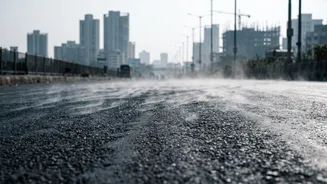
creates a period of intense, oppressive heat. However, what was once a predictable, short-lived phase is now becoming more prolonged and severe. Recent data shows temperatures in October soaring significantly above normal. For instance, in early October 2026, temperatures in the suburbs reached 38.2°C, which is 5.1 degrees above normal, triggering heat wave conditions. Scientists confirm that this is not just a fluke but part of a larger trend driven by significant climatic shifts.
The Delayed Monsoon's Lingering Humidity
One of the primary factors is the changing character of the monsoon itself. Climate shifts can lead to a delayed withdrawal of the monsoon. When the retreat is slow, high levels of moisture persist in the atmosphere well into October. Normally, the monsoon winds retreat and are replaced by drier winds. But a delayed withdrawal means the moisture-laden south-westerly winds linger, pumping humidity over the land even as the sun beats down without cloud cover. This combination of high heat and high humidity is particularly dangerous, a condition scientists refer to as 'humid-heat stress'. Studies have found that the number of extreme humid-heat days along India's west coast has been increasing by five days per decade during the post-monsoon season.
Warmer Seas and Weaker Breeze
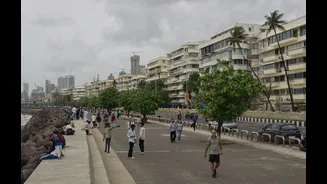
Mumbai has always relied on the daily sea breeze from the Arabian Sea to provide natural air conditioning. However, global warming is heating the oceans at an unprecedented rate. The Arabian Sea is warming particularly fast, which has two major effects. First, warmer water means more evaporation, adding even more moisture to the air. A study found that on the west coast, humidity increased by 6.5% per degree of warming in the post-monsoon months. Second, the warming of the sea can disrupt local wind patterns, including delaying or weakening the land-cooling sea breeze. When the sea breeze is weak or late, the land continues to heat up throughout the day, contributing to the record-breaking temperatures the city has been experiencing.
The City as a Heat Trap
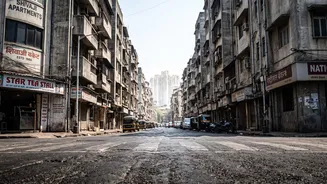
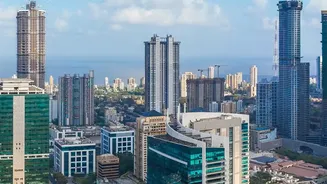
On top of global and regional climate factors, Mumbai's own urban landscape makes the problem worse. The 'Urban Heat Island' (UHI) effect is a phenomenon where cities are significantly warmer than surrounding rural areas. Mumbai's dense clusters of concrete buildings, asphalt roads, and lack of green cover absorb and retain solar radiation during the day. After sunset, they slowly release this stored heat, preventing the city from cooling down effectively at night. Studies show that densely built-up areas in Mumbai can be several degrees warmer than areas with more vegetation and water bodies. This means residents get less relief from the heat at night, which can have serious health consequences as the body has less opportunity to recover.
The Human Cost of Rising Temperatures
This escalating heat is more than just a matter of discomfort. It poses significant risks to public health, from dehydration and heat exhaustion to life-threatening heatstroke. The increased use of air conditioning leads to higher electricity bills for households and puts a strain on the city's power grid. The oppressive heat also impacts daily life, particularly for the millions who work outdoors or live in homes without access to cooling. The combination of intense daytime heat and warm nights creates a relentless thermal stress that can affect productivity, sleep, and overall well-being. As experts warn, these extreme weather events are an indicator of a changing climate scenario that the city must adapt to.