





The Undeniable Nutritional Benefits
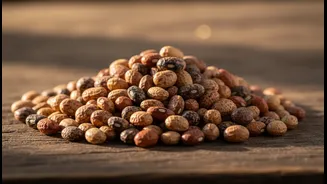
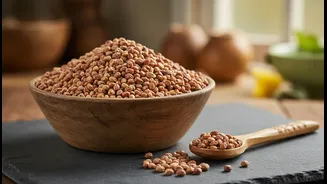
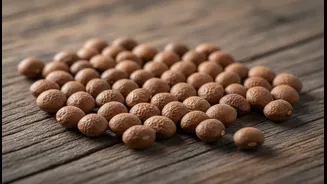
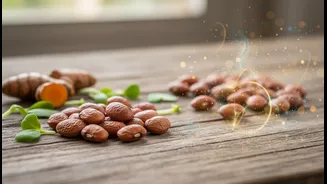
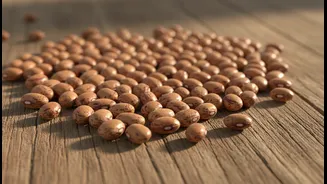
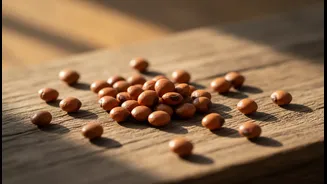
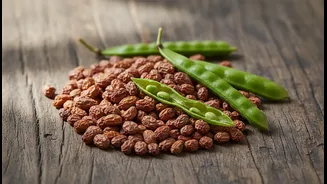
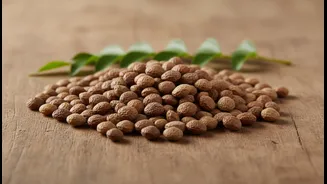
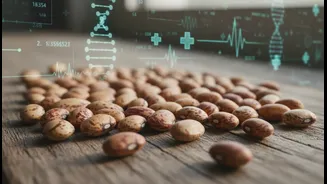
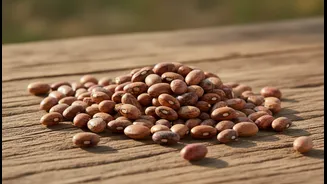
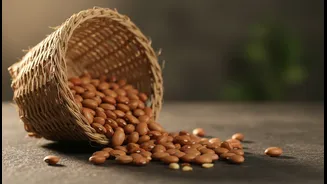
Horse gram, known as kulthi or kollu in different parts of India, is a nutritional powerhouse. It is exceptionally high in protein, containing between 22% to 25% of its weight in this essential nutrient, making it a fantastic plant-based option for muscle
repair and growth. It's also packed with dietary fibre, which aids digestion, helps manage blood sugar levels, and keeps you feeling full for longer, potentially assisting with weight management. The legume is a rich source of essential minerals like iron, calcium, and phosphorus, which are vital for combating anaemia, strengthening bones, and maintaining energy levels. Traditional Ayurvedic practices have long celebrated horse gram for its medicinal properties, using it to address issues like kidney stones, menstrual discomfort, and respiratory ailments such as asthma and bronchitis.
The Practical Costs: More Than Just Price
While horse gram is generally affordable, its true “cost” for a home cook often involves time and effort. This is not a dal you can decide to cook on a whim. Horse gram is a tough legume that requires significant preparation. It must be soaked for at least eight hours, or even overnight, to soften it and make it digestible. After soaking, it needs a long cooking time, often requiring a pressure cooker for at least 30-40 minutes (or over two hours in a regular pot) to become tender. Forgetting this crucial soaking step can result in a dish that is hard to chew and difficult to digest. This lengthy process can be a significant drawback for those with busy schedules who rely on quicker meal solutions. Furthermore, its distinct, earthy flavour is stronger than that of more common dals like moong or toor, and may not appeal to all palates.
Important Limits and Who Should Be Cautious
Despite its benefits, horse gram isn't for everyone. According to Ayurveda, it is considered a “heating” food, meaning it generates significant heat in the body. Excessive consumption, especially in hot weather, could potentially lead to discomfort. Pregnant women are often advised to avoid horse gram due to these heating properties. Because it contains compounds called purines, people with gout or high uric acid levels should consume it with caution, as purines can increase uric acid in the body. The legume also contains anti-nutrients like phytic acid, which can interfere with the absorption of minerals. However, this effect is significantly reduced by proper soaking and cooking. Finally, its high fibre content, while beneficial, can cause gas and bloating for those not accustomed to a high-fibre diet.
How to Get Started with Horse Gram
If you've weighed the pros and cons and are ready to try it, start small. The most common way to consume horse gram is in soups and dals. A simple 'kollu rasam' is a popular South Indian preparation known for its ability to relieve cold and congestion. You can also sprout the beans after soaking them, which enhances their nutritional value and makes them easier to digest. Sprouted horse gram can be added to salads for a crunchy texture. Another approach is to make a simple dal or subzi. Remember to always soak the beans overnight, discard the soaking water, and cook them thoroughly in a pressure cooker until they are soft enough to be easily mashed between your fingers.