








The Rise of the Micro-Break
Forget saving up all year for a single, long holiday. A growing number of younger workers are opting for what are now called micro-breaks or micro-vacations: short, frequent trips that often last just two to four days. This trend, particularly popular
among Gen Z, prioritizes frequency over duration, with many favouring multiple small getaways over one extended vacation. A recent report found that seven in ten Gen Z travellers in India would rather take three short trips than one long holiday. These trips are often spontaneous, booked within weeks or even days of departure, and built around weekends to maximize time off. The core idea is simple: leave briefly, recharge slightly, and repeat often as a way to manage burnout without waiting for a far-off extended break.
A Response to Modern Work Culture
The micro-break isn't just a travel preference; it's a direct response to an 'always-on' work culture where the office lives in your pocket. For a generation acutely aware of burnout, these short respites serve as a vital tool for maintaining mental wellbeing and work-life balance. Many Gen Z workers see frequent travel as essential for improving their mental health, returning from trips feeling less anxious and better equipped to handle daily stresses. The rise of flexible and remote work has also been a significant catalyst, making it easier to blend work and leisure or take short trips without falling behind. This generation largely rejects the traditional model of 'work first, live later', instead choosing to integrate restorative experiences into their lives now.
A New Approach to Annual Leave
The micro-break trend is fundamentally changing how employees view and use their paid time off (PTO). Instead of hoarding leave days for a large block, many are spending them in one- or two-day increments to create long weekends. This approach reflects a desire for more consistent and accessible rest throughout the year. For employers, this shift presents new challenges and opportunities. While it might mean fewer long absences to cover, it also requires more flexible leave policies and a system capable of managing frequent, short-notice requests. Some companies are even seeing this trend merge with business travel, as Gen Z employees are more likely to extend work trips for personal leisure, a practice often called 'bleisure'.
Budgeting for Constant Experiences
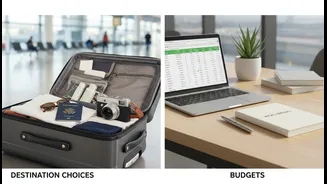
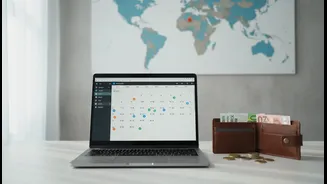
While it may seem counterintuitive, taking multiple trips can be a budget-conscious strategy for a generation facing economic pressures. Gen Z has become adept at finding deals, travelling in the off-season, and prioritising experiences over luxury goods. Many report making financial sacrifices, like eating out less, to fund their travel habits. A significant number of young adults take three or more leisure trips per year, demonstrating that travel is a high priority in their budget. This is managed by being savvy; using apps to find deals, opting for budget accommodations, and focusing spending on authentic experiences rather than expensive extras. Micro-trips can feel more financially manageable than a single, costly two-week holiday, allowing for a steady stream of experiences without accumulating debt.
Redrawing the Destination Map
The preference for short trips is reshaping destination choices. There's a growing emphasis on domestic and short-haul international locations that are easily accessible for a weekend. The goal is often a quick change of scenery that offers a powerful reset without the logistical complexity of a long-haul journey. This has led to the rise of visiting lesser-known or 'dupe' destinations that offer similar vibes to more popular, crowded, and expensive spots. Authenticity is key; this generation often prioritises exploring a local neighbourhood or market over visiting famous landmarks. For many, the accommodation itself can become the destination, with a focus on unique stays that offer rest and a distinct experience.