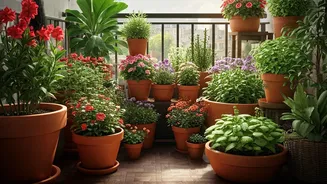


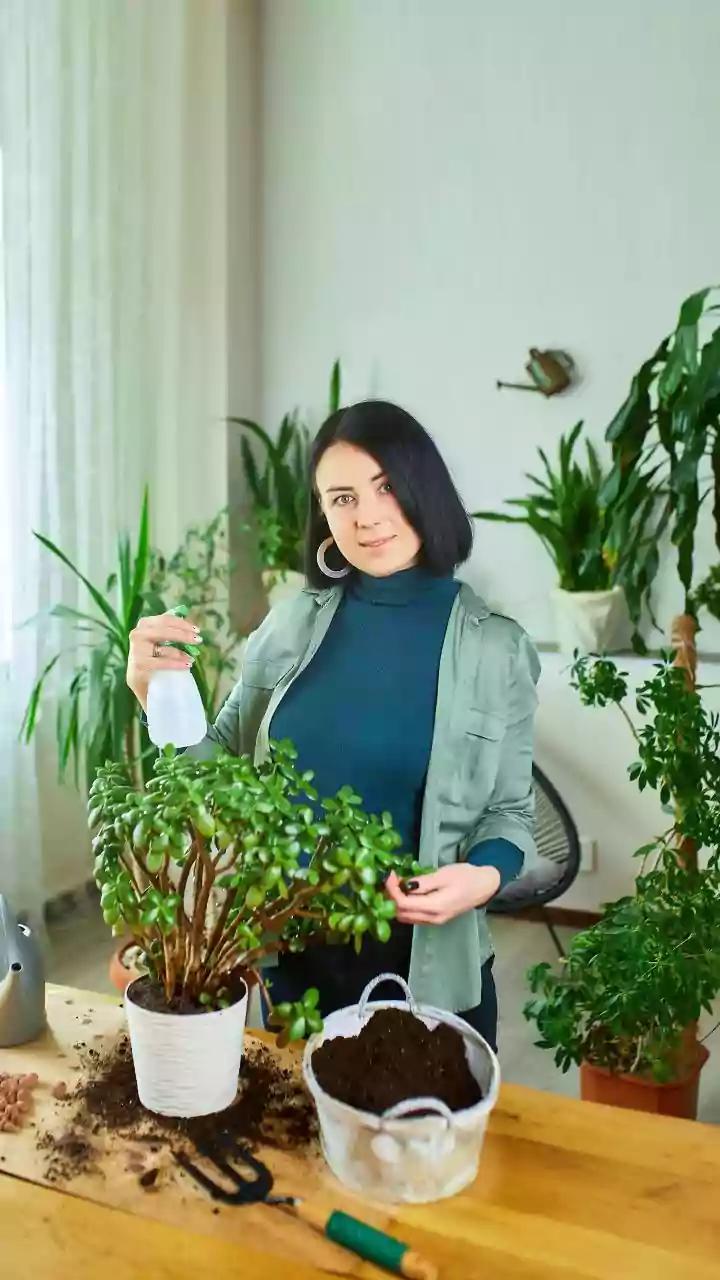


Why Bother with Edible Gardening?
In our fast-paced city lives, the simple act of growing your own food offers a powerful connection to nature. The benefits go beyond just having fresh produce. Gardening is a therapeutic activity known to reduce stress and improve mental well-being. There's
a unique sense of accomplishment in harvesting something you've grown yourself. Furthermore, it gives you complete transparency over your food; you know it's free from unwanted chemicals and pesticides. Homegrown produce is also packed with more nutrients, as it avoids the lengthy transit from farm to store during which nutritional value diminishes. It’s a small but meaningful step towards a healthier and more sustainable lifestyle.
Experiment 1: The World of Microgreens
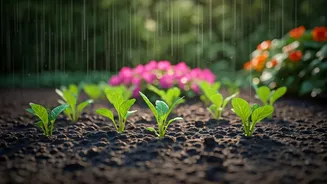
If you want a fast, rewarding, and nutrient-packed start, look no further than microgreens. These are young vegetable greens harvested just after the first true leaves appear, and they can contain up to 40 times more nutrients than their mature counterparts. In India, you can easily grow microgreens like radish, mustard, fenugreek (methi), and broccoli. All you need is a shallow tray with drainage holes, a growing medium like cocopeat or potting mix, and a sunny windowsill that gets a few hours of light. Seeds germinate quickly, and many varieties are ready to harvest in just 8 to 12 days, offering a spicy or mild crunch to salads, sandwiches, and garnishes.
Experiment 2: Beyond Your Basic Sabzi
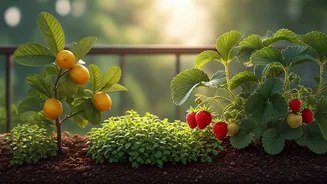
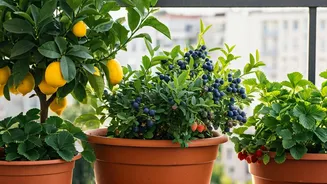
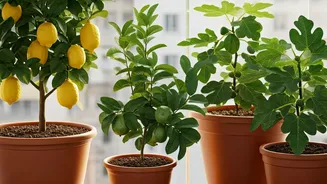
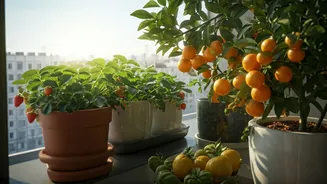
While tomatoes, chillies, and brinjal are excellent pot-friendly staples, many other vegetables thrive in containers. Try growing Malabar spinach (basale soppu), a leafy green vine that loves the warm climate and can be trained up a railing. Dwarf varieties of guava, papaya, and lemon trees are also well-suited for large containers on a sunny balcony. For something different, consider planting beets, which can be grown in pots at least 12 inches deep and provide both edible roots and nutritious leaves. Don’t forget about climbers like beans and cucumbers, which can make great use of vertical space with a simple trellis.
Experiment 3: Flowers You Can Eat
Many flowers commonly found in Indian gardens are not just beautiful but also delicious and nutritious. Instead of just admiring your hibiscus, use its tangy petals to make a refreshing tea or add it to salads. The golden petals of marigolds can be used as a garnish for rice dishes and soups, adding a mild, citrusy flavour. Other edible flowers perfect for balconies include the fragrant moringa (drumstick) flowers, which can be fried into fritters or added to curries, and the beautiful blue pea flower, which makes a stunning natural food colouring for drinks and desserts. Rose petals, a staple in gulkhand and sherbets, can also be grown right at home. Just be certain you've correctly identified any flower before consumption.
Tips for a Thriving Balcony Farm
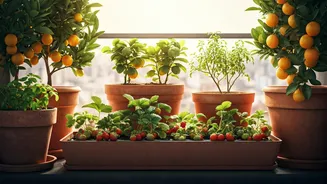
Success in a small space comes down to a few key factors. First, observe your sunlight. Most vegetable and fruit-bearing plants need at least 5-6 hours of direct sun. If your balcony is shadier, focus on leafy greens and herbs that can manage with less. Second, choose the right containers. Ensure every pot has drainage holes to prevent waterlogging. For beginners, tomatoes, spinach, and chillies are very forgiving. Finally, use a quality potting mix and consider adding compost to replenish nutrients. Start small with one or two new plants, learn their needs, and watch your edible garden—and your culinary creativity—grow.