


From Heirlooms to Everyday Essentials
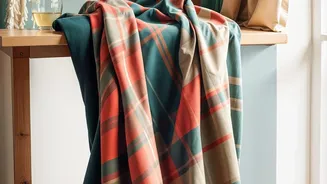
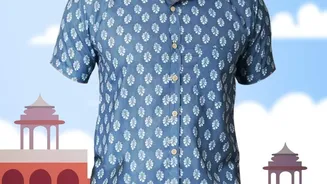
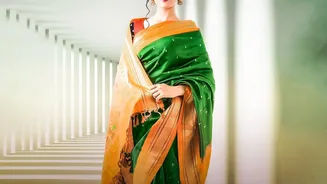
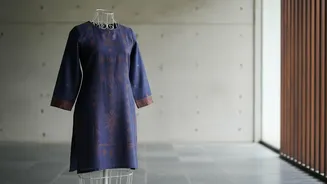
The perception of handloom is undergoing a significant transformation. What was once reserved for a grandmother's trunk or a bridal trousseau is now finding its way into everyday wardrobes in the form of breezy kurtas, structured workwear, and chic dresses.
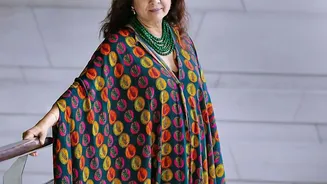
This shift marks a departure from viewing these textiles as cumbersome or purely ceremonial. Instead, a new generation of consumers is embracing handloom for its comfort, breathability, and unique identity, moving beyond the sari to explore its versatility in contemporary silhouettes. Brands and designers are responding by creating garments that fit seamlessly into modern, urban lifestyles, proving that heritage can be both practical and fashionable.
The New Weave of Designers
Contemporary designers are the catalysts behind this revival. Labels like Dressfolk, 11.11 / eleven eleven, and Rouka are championing a 'seed-to-stitch' philosophy, making handloom textiles effortless for daily dressing. They are working directly with artisan clusters across India, from Chanderi to Bengal, reinterpreting traditional techniques for a modern audience. By focusing on contemporary cuts, innovative silhouettes like jumpsuits and jackets, and fresh colour palettes, these designers are making handloom more accessible and desirable. This creative partnership not only preserves ancient skills but also provides weavers with sustainable livelihoods and greater autonomy.
Conscious Consumers and Slow Fashion
This revival is not just about aesthetics; it's driven by a powerful shift in consumer mindset toward sustainability and conscious consumption. In an age of fast fashion, many are seeking out clothes with a story and a soul. Handloom, with its low environmental impact, use of natural fibres, and ethical production practices, perfectly aligns with these values. Today's buyers are more aware of where their clothes come from and are choosing to invest in pieces that are timeless, high-quality, and support artisan communities. Buying handloom is increasingly seen as a statement of cultural pride and a commitment to mindful living.
Beyond the Saree
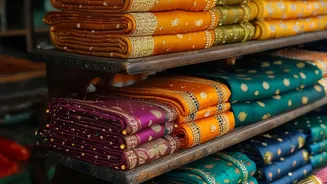
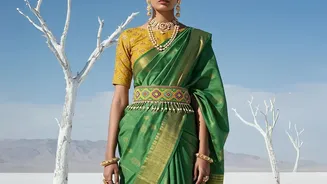
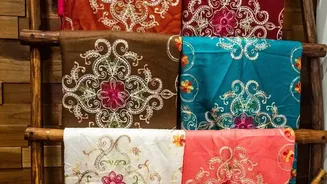
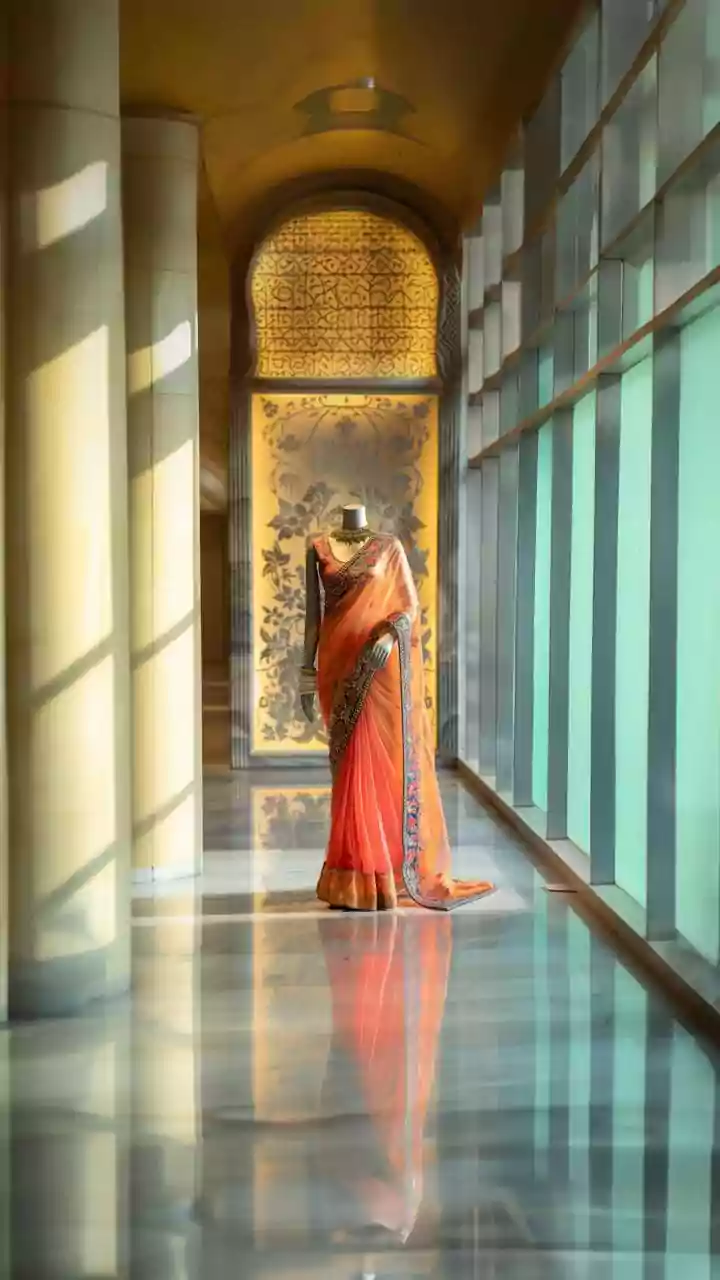
While the saree remains an iconic symbol of Indian textiles, the current revival is defined by its expansion into a diverse range of garments. Fabrics like Khadi, Ikat, Jamdani, and Chanderi are being fashioned into everything from structured blazers and trousers to relaxed co-ord sets and accessories. Designers are experimenting with fusion wear, pairing traditional fabrics with modern cuts to create Indo-Western outfits that feel both rooted and current. This diversification is crucial, as it introduces handloom to a younger demographic and demonstrates its relevance beyond traditional attire, making it a staple for office wear, casual outings, and everything in between.
The Road Ahead
Despite this positive momentum, the handloom sector still faces challenges, including competition from power looms and the need for consistent market access for weavers. However, the growing demand for authentic, handcrafted products is a promising sign. The market for Indian handloom is projected to grow significantly, fueled by both domestic and international interest. Technology is also playing a role, with digital platforms connecting artisans directly with a global customer base, cutting out middlemen and ensuring fairer wages. This fusion of heritage craft with modern commerce is paving the way for a more secure and vibrant future for India's weavers.