



More Than a Layover: A Strategic Gateway
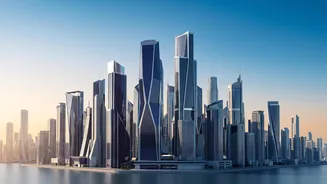
For decades, many in India viewed Dubai as a city of dazzling skyscrapers, luxury shopping, and a convenient stopover for long-haul flights. But for a new generation of Indian entrepreneurs, this perception is changing fast. They see Dubai not just for its
lifestyle, but for its business infrastructure, global connectivity, and aggressive push to become a world-class technology hub. What makes Dubai so attractive is its unique position as a bridge between East and West. It offers Indian companies a stable, regulated, and internationally respected base from which to operate. This isn't about leaving India; it's about building a second engine for growth—one that provides access to international clients, global banking systems, and a different kind of operational speed.
The Power of Proximity and Policy
One of Dubai's most significant advantages is its geography and the strong bilateral ties with India. The signing of the Comprehensive Economic Partnership Agreement (CEPA) in 2022 has been a game-changer, aiming to boost non-oil trade to $100 billion by 2030. This agreement has supercharged an already thriving business corridor. Since the CEPA came into effect, Dubai's non-oil trade with India has surged by 35%. This policy-driven momentum is complemented by practical benefits. Free zones like the Dubai International Financial Centre (DIFC) and Dubai Internet City allow for 100% foreign ownership, zero corporate taxes, and simplified regulations, making it faster and easier for Indian startups to set up shop. This combination of government support and business-friendly policies creates a powerful pull.
A Launchpad to Untapped Markets
While the Indian market is vast, many tech startups are built with global ambitions from day one. Dubai provides an unparalleled launchpad into the rapidly growing markets of the Middle East, North Africa (MENA), and even parts of Europe and Africa. For Indian founders, establishing a presence in Dubai can significantly improve their credibility when targeting clients in these regions. It signals stability and adherence to international business standards. Dubai Chambers has explicitly noted that Indian startups are keen to use the city to access markets like Africa. This strategic positioning allows a company that starts as an Indian service provider to evolve into a regional consultancy or a MENA-focused enterprise.
Access to Global Capital and Talent
Fundraising is the lifeblood of any startup, and Dubai has cultivated a vibrant ecosystem of venture capital and private equity. Major events like GITEX and the Dubai Fintech Summit connect founders with a global pool of investors who are actively looking to fund the next wave of innovation. This is particularly true for sectors that Dubai is heavily investing in, such as FinTech, AI, and blockchain. The city's focus on becoming a global tech hub is also attracting a diverse pool of international talent. For Indian startups, this means access to not only capital but also the skilled professionals needed to scale their operations. Financial incentives, such as salaries that can be 30% higher than in other tech hubs, and long-term residency through Golden Visas, make it an attractive destination for top-tier talent.
The Next Chapter: A Deepening Tech Partnership
The India-Dubai relationship is evolving beyond traditional trade. Technology is now seen as the next major driver of bilateral growth. Dubai is actively looking to Indian firms for collaboration in high-growth areas like Artificial Intelligence and deep tech. In August 2026, Dubai Chambers signed MoUs with India's NASSCOM to foster cooperation in Agentic AI, signaling a clear intent to build an 'AI corridor' between Dubai and Indian tech hubs like Bengaluru. This isn't just about Indian startups moving to Dubai; it's about creating a deeply integrated ecosystem where innovation can flow in both directions, leveraging India's talent and Dubai's global platform.