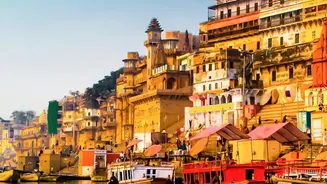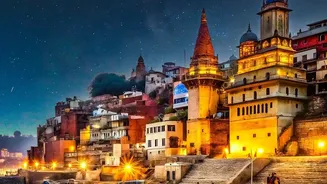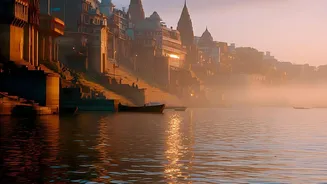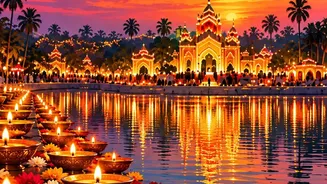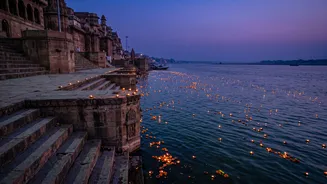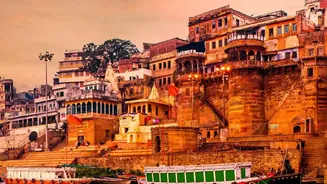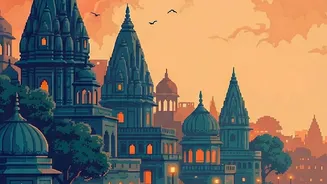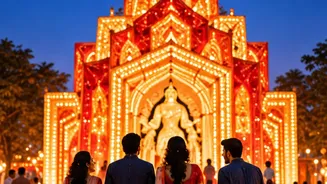


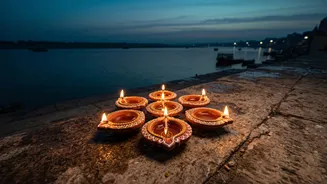
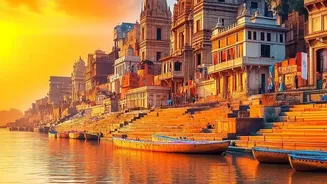
When millions of diyas light up the ghats of Varanasi for Dev Deepawali, it’s a spectacle of global fame. But behind the lights, the city’s spiritual heartbeat—its temples—adjusts to a unique, sacred rhythm for Kartik Purnima.
The Meaning of the 'Diwali of the Gods'
Dev Deepawali, celebrated
on Kartik Purnima, falls roughly fifteen days after the nationwide festival of Diwali. This 'Diwali of the Gods' holds a special reverence in Varanasi. According to Hindu tradition, it commemorates Lord Shiva's victory over the demon Tripurasura, and it is believed the gods themselves descend to Earth to bathe in the holy Ganga on this auspicious night. To welcome them, the city transforms into a landscape of light, with temples and ghats leading the celebration. The entire day is not just about the evening spectacle but is steeped in continuous prayer and ancient rituals that distinguish it from any other day of the year.
An Altered Morning Rhythm
For the temples of Varanasi, the day of Dev Deepawali begins long before sunrise. The typical prayer schedule is advanced to accommodate special rites. The day commences with the 'Kartik Snan', a sacred pre-dawn dip in the Ganga that devotees believe cleanses the soul of past sins. Following this mass ritual, temples open their doors to an influx of pilgrims for early morning darshan. The atmosphere inside is charged with heightened devotion. Special prayers and chants, distinct from the daily routine, echo through the temple halls, setting a sacred tone that lasts until the evening's grand celebrations.
Special Bhog and Pious Offerings
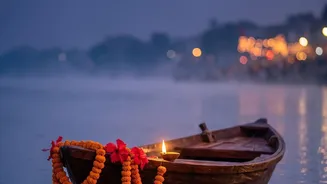
The divine feast, or 'bhog', prepared for the deities also sees a significant change. On Dev Deepawali, temples prepare elaborate offerings that go beyond the everyday menu. These special preparations are a core part of the day's worship. Devotees also participate by making their own offerings, known as 'Deepdaan'. This involves lighting earthen lamps, often filled with ghee, and offering them at temples or setting them afloat on the Ganga. This act of lighting a lamp is a prayer in itself, symbolizing the dispelling of darkness and an offering of gratitude to the divine and to ancestors. Alongside lamps, offerings of flowers, sweets, and fruits are made in abundance throughout the day.
The Grandeur of the Evening Ganga Aarti
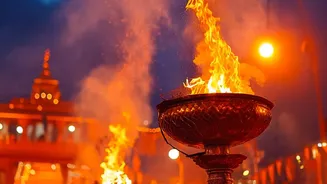
While the daily Ganga Aarti at Dashashwamedh Ghat is a famous ritual, the version performed on Dev Deepawali is a far grander and more elaborate affair. The number of priests performing the synchronized ritual increases, and the ceremony is longer, featuring more intricate choreography with multi-tiered lamps, incense, and conch shells. The energy is palpable, with chants and hymns filling the air as thousands watch from the ghats and from boats on the river. Many other temples and ghats, including the prominent Assi Ghat, conduct their own special aartis, creating a chain of light and sound along the entire riverfront, which stretches over 80 ghats. It’s a multisensory experience that serves as the visual and spiritual climax of the day's worship.
A City United in Prayer
The adjustments are not confined to major temples like the Kashi Vishwanath Temple, which sees immense crowds and special lighting arrangements. Smaller, neighbourhood temples across Varanasi's ancient lanes also adopt special routines. They are decorated with flowers and lights, host their own aartis, and become local centres of celebration. This citywide participation underscores the deep cultural and spiritual fabric of Varanasi. From the grandest temple to any humble shrine every place of worship plays a role in transforming city into a divine landscape. It is this collective devotion that truly defines spirit of Dev Deepawali making it a day where prayer and celebration merge seamlessly across Kashi.