



A Celestial Trio Gathers
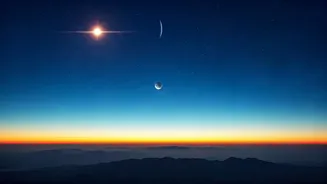
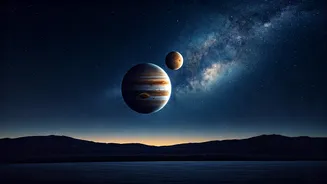
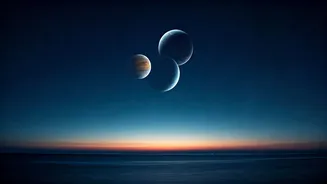
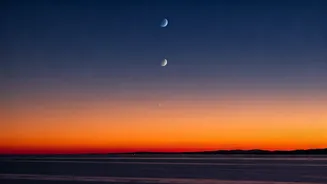
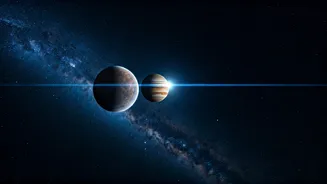
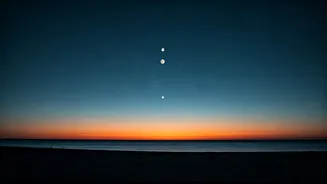
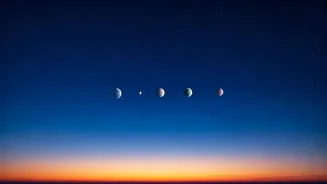
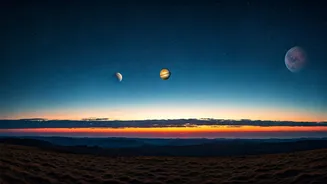
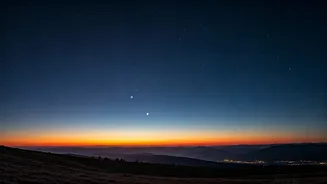
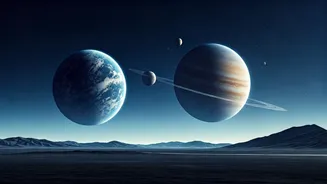
Step outside after sunset tonight and you'll witness a beautiful, yet temporary, gathering of worlds. Mercury, Venus, and Jupiter will appear clustered together in what astronomers call a conjunction. This doesn't mean the planets are actually close to one
another in space—they remain millions of kilometres apart. Instead, from our vantage point here on Earth, their orbits have brought them into the same line of sight, creating a striking illusion. These alignments are a regular but always special part of our solar system's clockwork, offering a chance to connect with the cosmos from your own backyard. Tonight's trio is particularly noteworthy, bringing together the two brightest planets visible from Earth with the elusive innermost planet.
When and Where to Look
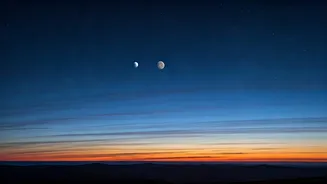
Timing and direction are everything for catching this spectacle. The show begins shortly after the sun dips below the horizon. You'll want to start looking about 30 to 45 minutes after sunset, which gives the sky enough time to darken but is early enough to catch the planets before they follow the sun and set themselves. Find a spot with a clear, unobstructed view of the western horizon. This is crucial, as the planets, especially Mercury, will be hanging low in the sky. Rooftops, hills, or open fields away from tall buildings and trees are your best bet. The window for viewing is relatively short—you'll likely have about an hour before the planets sink out of sight.
How to Identify Each Planet
You won't need a star chart to find this trio, as they will be the brightest points of light in that part of the sky. Venus will be impossible to miss. Often called the 'Evening Star,' it will shine with a brilliant, steady, silver-white light, outshining everything else besides the Moon. Just nearby, Jupiter will appear as the second-brightest object, a steadfast and bright point of light. The real challenge, and reward, is spotting Mercury. As the closest planet to the sun, it's always seen near the horizon and is often lost in the sun's glare. Look for a much fainter, star-like point very close to the horizon, likely just below or to the side of the brighter Venus and Jupiter. Unlike stars that twinkle, planets tend to shine with a more constant light, which can help you distinguish them.
Tips for the Best Viewing Experience
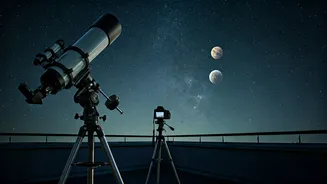
While you can absolutely see this alignment with the naked eye, a few simple tips can enhance the experience. First, get away from city lights if you can. Light pollution washes out fainter objects, and escaping it will make Mercury easier to spot and the overall view more dramatic. Second, give your eyes time to adjust to the dark. It takes about 15-20 minutes for your pupils to fully dilate, so be patient. Third, while a telescope isn't necessary, a pair of simple binoculars will work wonders. They will not only make Mercury pop but may also reveal Jupiter’s four largest moons, known as the Galilean moons, appearing as tiny pinpricks of light flanking the giant planet. Finally, check the weather forecast. Clear skies are obviously essential for a good view.