





A New Rulebook for the Moon
One of the most significant changes is India’s decision to sign the Artemis Accords. These are a set of principles led by the US to guide civil space exploration, particularly for the return to the Moon and beyond. By joining, India has aligned itself
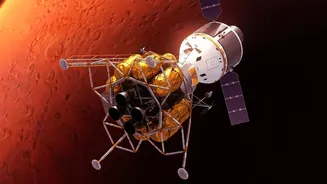
with a major international coalition committed to peaceful, transparent, and sustainable activities in space. This move is more than symbolic; it signals a strategic shift from India’s traditionally independent path in space to one of collaborative engagement. It positions India as a key player in shaping the future of space governance and opens the door for deeper collaboration on lunar missions, including a recent invitation for ISRO to join NASA's Moon Base program.
Eyes on Earth: The NISAR Mission
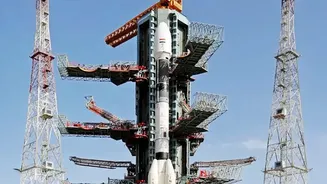
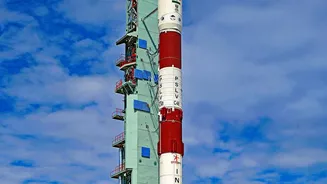
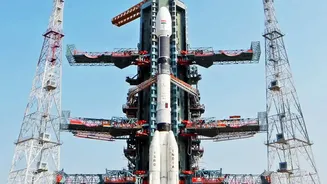
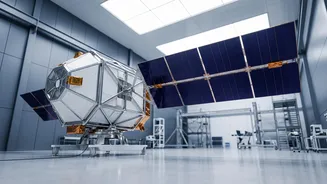
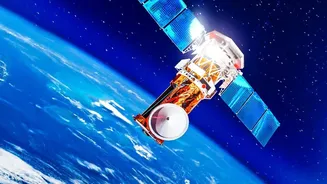
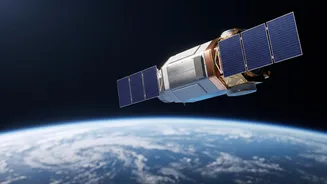
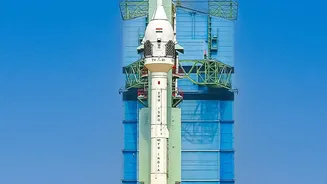
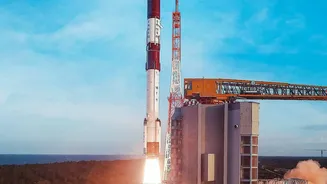
A tangible result of this closer bond is the NASA-ISRO Synthetic Aperture Radar (NISAR) mission, the first time the two agencies have cooperated on building hardware for an Earth-observing satellite. This advanced satellite, launched from India, is designed to monitor our planet's changing surfaces with unprecedented detail. Using dual-frequency radar, NISAR can see through clouds day and night, scanning the entire globe every 12 days. The data gathered will be crucial for managing natural disasters like earthquakes and landslides, monitoring crop health, and tracking the effects of climate change on glaciers and ice sheets.
Indian Astronauts, American Training
Perhaps the most exciting development is in human spaceflight. As part of the growing partnership, NASA is providing advanced training to Indian astronauts at its Johnson Space Center in Houston. The goal is a joint mission to the International Space Station (ISS), which would mark the first time an Indian astronaut has been part of such a collaboration. Two Indian Air Force pilots, selected as part of India's own Gaganyaan mission crew, are preparing for this joint effort. This collaboration provides invaluable experience for India's ambitious human spaceflight program, offering insights into long-duration missions and international operational protocols.
The Strategic Dimension
This enhanced cooperation isn't happening in a vacuum. It's a key component of the broader strategic alignment between India and the United States, particularly within the Indo-Pacific context. The partnership is seen as a way to promote a rules-based order in outer space, implicitly creating a counterweight to the growing space ambitions of nations like China and Russia, who are not part of the Artemis Accords. The collaboration extends to defence as well, with discussions around integrating space into joint military operations and exercises. This positions space as a new and critical domain for the strategic partnership.
What Comes Next?
The foundation laid over the past few years points toward an even more interconnected future. Beyond the ISS mission and NISAR, discussions are underway for India to participate in NASA's Moon Base program and potentially the Lunar Gateway, a planned outpost in lunar orbit. There is also a strong push for greater collaboration between the American and Indian commercial space sectors, covering everything from satellite manufacturing to launch services. Recent high-level meetings have focused on streamlining technology transfer and export controls to facilitate these private-sector partnerships. This evolving relationship is transforming India from a cost-effective launch provider into a comprehensive partner in global space exploration.