





In countless Indian households, a glass of warm jeera water is the first-line defence against an upset stomach. It’s a remedy passed down through generations, praised for easing bloating and indigestion. But how much of this is tradition and how much is science?
A Tradition Rooted in Ayurveda
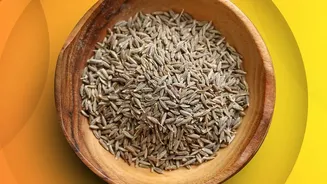
Long before it became a wellness trend, cumin (jeera) held a place of honour in Ayurveda. In this ancient system of medicine, cumin is known as 'Jeeraka', which translates to 'that which helps digestion'. It is considered a 'deepana' (digestive stimulant) and 'pachana' (digestive aid), prized for its ability to kindle the digestive fire, or 'agni'. This warming quality is believed to help the body break down food more efficiently, reducing the sluggish, heavy feeling that can follow a meal and pacifying imbalances that lead to gas and bloating. A popular Ayurvedic preparation is CCF tea, which combines cumin, coriander, and fennel for gentle, all-day digestive support.
The Claim: An Instant Fix for Bloating and Gas
The most common claim is that a glass of cumin water provides rapid relief from digestive discomfort. Many drink it after a heavy meal to combat bloating, that tight and swollen feeling in the stomach, or to ease flatulence. The popular belief is that it acts as a natural carminative, an agent that prevents the formation of gas in the gastrointestinal tract and helps expel any trapped gas. This is why it’s often recommended as a morning ritual on an empty stomach or as a soothing drink after a rich dinner.
The Science: Stimulating Enzymes and Soothing Muscles
Modern science is beginning to validate some of these traditional uses. Cumin's digestive prowess is largely attributed to its active compounds, particularly cuminaldehyde and thymol. These compounds stimulate the salivary glands and increase the production of digestive enzymes from the pancreas, such as amylase, protease, and lipase, which are essential for breaking down carbohydrates, proteins, and fats. It also boosts the flow of bile from the liver, which aids in fat digestion. Furthermore, some of cumin's components have antispasmodic properties, meaning they may help relax the smooth muscles of the gut. This can reduce the cramping and discomfort associated with indigestion and conditions like Irritable Bowel Syndrome (IBS).
The Context: It’s a Support, Not a Cure
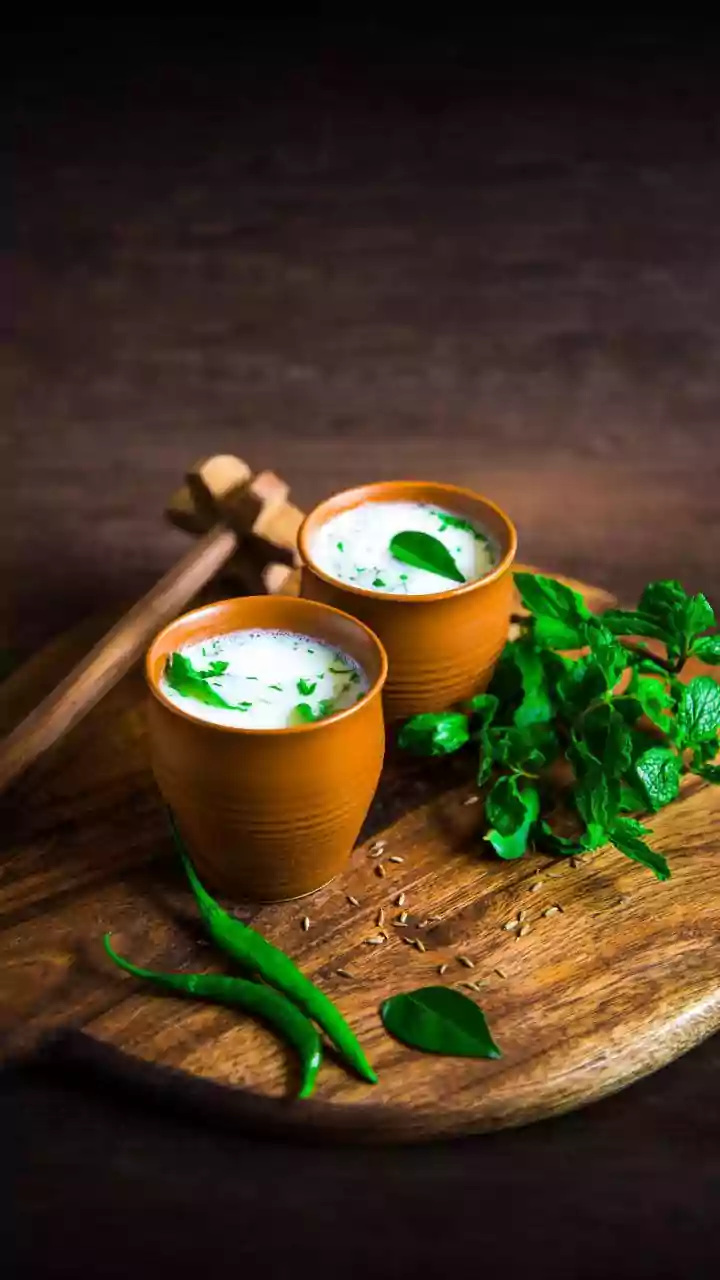
This is where careful context is crucial. While the mechanisms are plausible, most clinical studies have used concentrated cumin extracts, not homemade cumin water. Cumin water is best viewed as a gentle, supportive habit rather than a potent medical treatment. It can help your body's digestive processes, especially with mild issues like post-meal heaviness, but it won’t cure chronic conditions. Consistency is more important than quantity. One glass a day, prepared by either soaking a teaspoon of seeds overnight or boiling them for about five minutes, is a reasonable amount for most healthy adults. More is not necessarily better and can sometimes backfire.
Who Should Be Cautious?
Despite being a natural remedy, cumin water isn't for everyone. For some, especially those prone to acidity, consuming it in large quantities or on an empty stomach can paradoxically cause heartburn. Because cumin may help lower blood sugar and blood pressure, individuals on medication for diabetes or hypertension should exercise caution, as it could amplify the effects of their medicine. It also has mild blood-thinning properties, so it's wise to discontinue use at least two weeks before any scheduled surgery. Pregnant women are generally advised to consume it in moderation and consult a doctor before making it a regular habit.