



From the Backyard to the Bedroom
For generations, the family dog had a doghouse and the cat had the run of the barn. Today, they have their own side of the bed. This migration from outdoors to indoors—and into the very heart of our families—is the driving force behind a major shift in home
design. Architects, interior designers, and homeowners are no longer asking how to hide the pet bed or a litter box. Instead, they are asking how to integrate the needs of their four-legged residents into the very fabric of the home. It’s a move away from designing *around* pets to designing *for* them. This pet-centric approach acknowledges a simple truth for millions of Indian households: a home isn't truly comfortable unless every member of the family, regardless of species, feels welcome.
The Rise of 'Barkitecture'
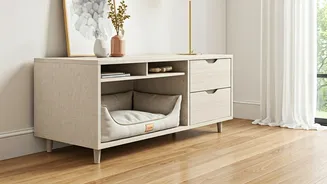
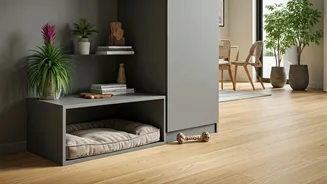
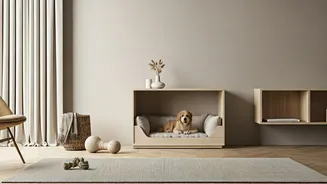
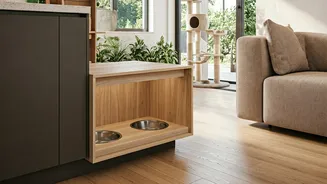
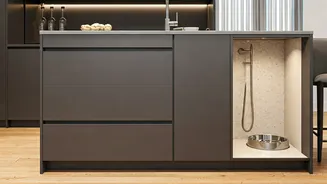
This new design philosophy even has a name: 'barkitecture.' It refers to architectural and design elements created specifically for pets. Think less about a sad water bowl in the corner and more about custom-built solutions that blend seamlessly with a home’s aesthetic. In new constructions and high-end renovations, we’re seeing mudrooms equipped with dedicated dog-washing stations, complete with handheld sprayers and low tubs. Kitchen islands are being designed with built-in nooks for food and water bowls, keeping them out of the main foot-traffic path. Under-staircase areas, once wasted space, are being converted into cosy, built-in dog dens. For feline friends, designers are creating 'catios'—enclosed outdoor patios—that give indoor cats safe access to fresh air and sunshine, and custom wall-mounted shelving that serves as a stylish jungle gym.
Materials That Stand Up to Paws
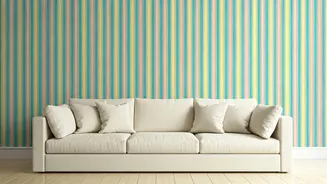
Aesthetics are important, but durability is paramount. The biggest day-to-day challenge of living with pets is wear and tear. In response, the market for pet-friendly materials has exploded. The idea that you can't have a beautiful sofa if you have a dog is now outdated. Enter performance fabrics. Brands that once targeted homes with children are now marketing their stain-resistant, liquid-repellent, and highly durable textiles to pet owners. Velvets and microfibres with a tight weave are popular choices as they are less likely to snag on claws. On the floor, luxury vinyl tile (LVT) and laminate flooring that mimic hardwood are gaining favour for their scratch-resistance and easy clean-up. Even paint choices are affected, with designers opting for semi-gloss or satin finishes on lower walls and trim, as they are far easier to wipe clean of mud splatters and smudges.
Furniture for the Whole Family
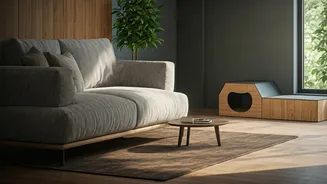
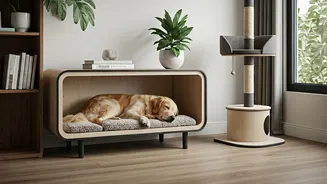
The days of hiding the clunky, carpet-covered cat tree in a spare room are over. A new wave of design-forward companies is creating pet furniture that you’ll actually want to display. Cat trees are now sleek, sculptural pieces made from natural wood that double as art. Dog beds are crafted with memory foam and upholstered in fabrics that match the human-sized sofa. Even litter boxes are getting a makeover, disguised as elegant side tables or stylish benches. This trend is about elevating the status of pet accessories from purely functional to intentionally decorative. It sends a clear message: our pets' comfort and enrichment are not an afterthought to be hidden, but a celebrated part of our home's overall design scheme.
Beyond Aesthetics: A Focus on Wellness
The most thoughtful pet-centric designs go beyond looks and durability to consider the animal's overall well-being. This includes incorporating features that enhance their physical and mental health. For instance, designers are paying more attention to air quality, suggesting high-quality HVAC filters and air purifiers to manage pet dander. There's also a growing awareness of household toxicity, leading to a preference for pet-safe house plants and non-toxic cleaning supplies. The layout of a home can also be optimised for a pet's happiness, ensuring there are sunny spots for napping, clear lines of sight to windows, and safe spaces where they can retreat when they need quiet time. This holistic approach proves that good design isn't just about how a space looks, but how it makes every inhabitant feel.